SAEDNEWS: Does laser hair removal cause infertility or affect reproductive health? This article explores the potential effects of laser hair removal on the ovaries, uterus, and testicles, examines whether it can impact fertility in women and men, and addresses common concerns about its possible side effects.
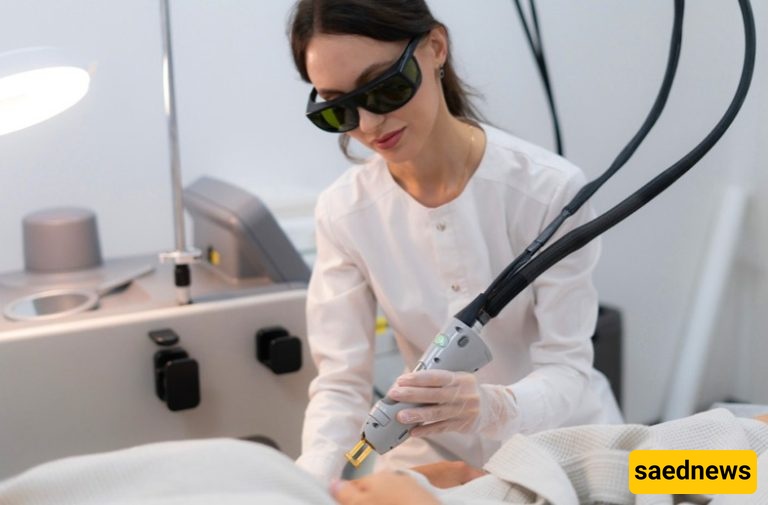
According to Saednews, One common concern, particularly among women and couples planning to have children, is whether laser hair removal can cause infertility. Can bikini laser treatments damage the uterus or ovaries? Could they affect reproductive health or reduce fertility?
The short answer is no. Current scientific evidence does not indicate that properly performed laser hair removal causes infertility in either women or men. However, understanding how laser technology works and how deeply its energy penetrates the skin can help put these concerns into perspective.
In this article, we explore the potential effects of laser hair removal on male and female fertility and address some of the most common misconceptions surrounding the procedure.
No. Based on currently available scientific evidence, there is no credible proof that laser hair removal causes infertility.
Laser hair removal works by targeting melanin, the pigment found in hair. The laser's light energy is converted into heat, which damages the hair follicle and reduces its ability to produce new hair.
Unlike radiation-based treatments such as radiotherapy, laser hair removal does not use ionizing radiation. The two procedures involve fundamentally different types of energy and mechanisms of action.
Understanding how laser hair removal works can help clarify why it is not considered a known risk factor for infertility.
No. Laser hair removal devices primarily target the pigment in hair and the structures surrounding hair follicles within the skin.
The effective penetration depth of these lasers is limited. Their energy is not designed to reach internal pelvic organs, including the uterus and ovaries.
Therefore, available evidence does not support the claim that standard bikini laser hair removal damages reproductive organs or causes infertility.
However, following proper safety protocols is essential. Treatments should be performed using appropriate equipment and settings by a trained professional. Incorrect laser settings can cause skin burns, irritation, and other local complications.
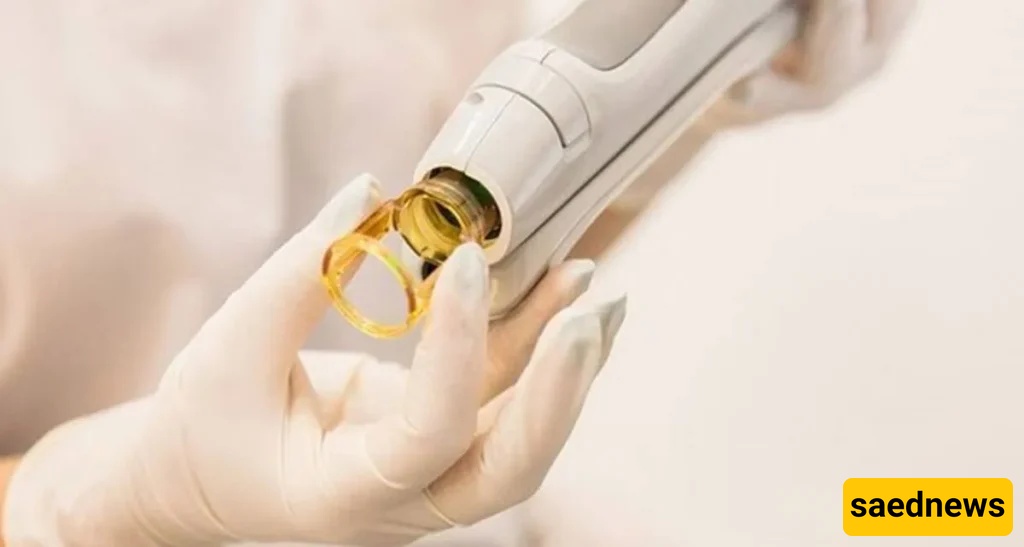
No. There is currently no scientific evidence showing that laser hair removal negatively affects male fertility.
Laser energy is absorbed by the hair follicle and does not reach the testicles or the seminiferous tubules responsible for sperm production.
Men who are concerned that laser heat might damage their testicles or reduce sperm quality can generally be reassured that laser hair removal acts locally within the skin rather than penetrating deep into the body.
Laser hair removal can be performed on sensitive areas when appropriate safety measures are followed. Choosing a qualified practitioner, suitable equipment, and correct treatment settings helps minimize the risk of burns and other skin-related side effects.
Cooling systems used during treatment can also help reduce discomfort and skin irritation.
Most specialists recommend postponing laser hair removal during pregnancy because there is insufficient human research to establish its safety during this period.
Hormonal changes during pregnancy can trigger increased hair growth in unusual areas of the body. Although this can be frustrating, pregnancy-related excess hair often decreases gradually or disappears naturally after childbirth.
If unwanted hair growth continues after delivery, laser hair removal may be considered as an option for long-term hair reduction.
It is advisable to consult your healthcare provider before starting treatment, as you may be advised to wait several weeks after giving birth before undergoing laser sessions.
Current scientific evidence does not suggest that laser hair removal reduces fertility. Therefore, avoiding the procedure solely because of concerns about infertility is generally unnecessary.
However, if you are undergoing fertility investigations, receiving assisted reproductive treatment, or managing a specific medical condition, it is best to consult your doctor before starting laser sessions.
You should also seek medical evaluation if unwanted hair growth develops suddenly or occurs alongside irregular menstrual cycles. These symptoms may indicate an underlying hormonal condition. Laser hair removal can reduce unwanted hair, but it does not treat the underlying cause of abnormal hair growth.
Based on current scientific evidence, properly performed laser hair removal is not a recognized cause of infertility in women or men. Its energy primarily affects the skin and hair follicles, and there is no credible evidence that standard treatments directly damage the uterus, ovaries, or testicles.
Nevertheless, choosing a reputable clinic, using appropriate laser equipment, and following professional safety recommendations are essential.
If you are pregnant, experiencing fertility problems, or undergoing fertility treatment, consult your healthcare provider before proceeding with laser hair removal.