SAEDNEWS: The trauma anniversary effect occurs when the approach of a date or season associated with a traumatic event triggers the return of emotional and physical symptoms, even years after the experience.

According to Saednews, For many people, a calendar is more than just a tool for measuring time. Sometimes, each page can serve as a reminder of a painful experience. The Trauma Anniversary Effect refers to a phenomenon in which the approach of the date or season associated with a traumatic event can reactivate psychological and physical symptoms.
These symptoms may occur even when a person appears to be living a normal life and is not facing any immediate danger.
The Trauma Anniversary Effect is neither a personal weakness nor a sign of exaggeration. Rather, it is an understandable response of the nervous system and memory to cues associated with a traumatic experience. Understanding this phenomenon can help people navigate anniversaries with greater awareness and reduce the emotional distress they may cause.

The Trauma Anniversary Effect refers to the intensification or recurrence of trauma-related symptoms around the anniversary of a traumatic event. These symptoms may be emotional, cognitive, physical, or behavioral.
For example, a person may experience restlessness, insomnia, nightmares, irritability, or intrusive thoughts several weeks before the anniversary of an incident.
This reaction does not necessarily indicate a full recurrence of post-traumatic stress disorder (PTSD), but it may signal the reactivation of traumatic memories. A trauma anniversary may be linked to the exact date of an incident or to a particular season, weather conditions, social occasions, sounds, smells, or even the general atmosphere of certain days.
Importantly, the Trauma Anniversary Effect can occur in people with a formal PTSD diagnosis, as well as in individuals experiencing subclinical symptoms or acute stress reactions. Therefore, experiencing it does not mean someone is mentally ill, but it does indicate a need for attention and self-care.
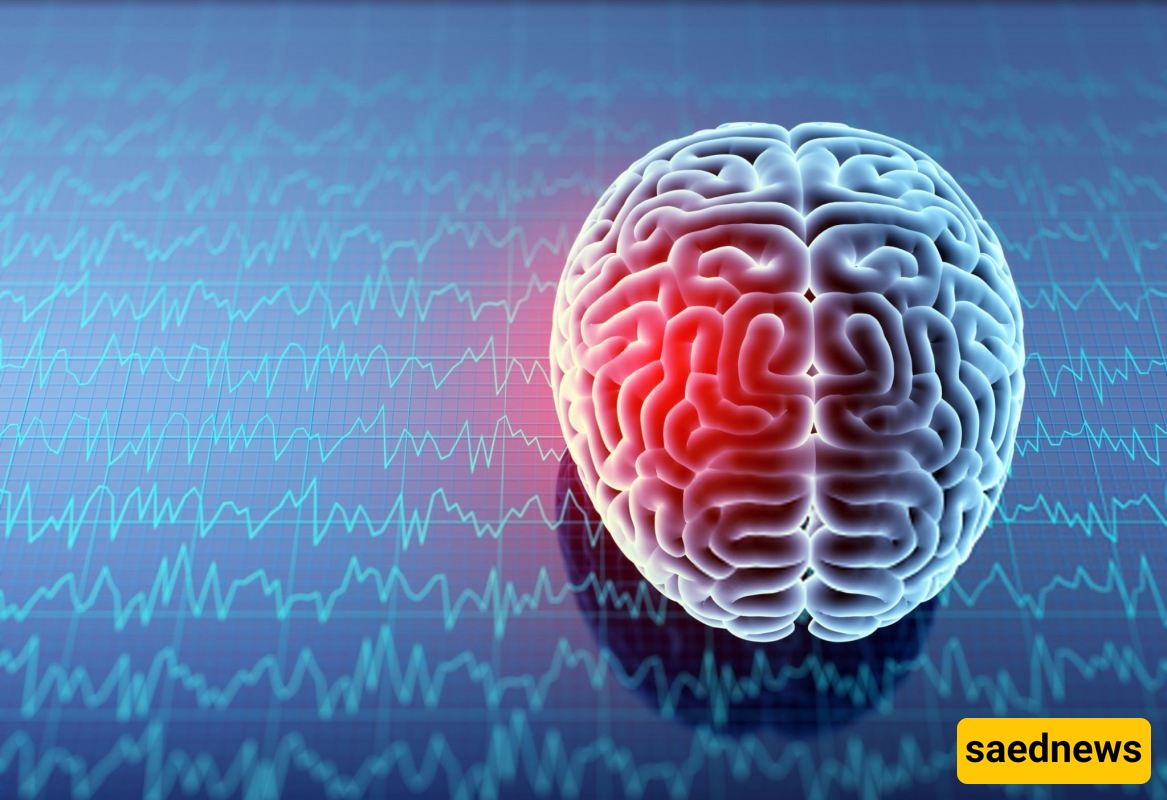
The brain and body are designed to ensure survival. When a person experiences a threatening event, the brain associates certain environmental cues with danger. These associations may remain for years.
As the anniversary approaches, the body's internal alarm system may become activated, even when there is no actual danger.
Traumatic memories are not always stored as organized, linear narratives. Instead, fragments of these experiences may remain in the form of emotions, images, smells, sounds, or physical reactions.
For this reason, the Trauma Anniversary Effect may appear as anxiety, muscle tension, or restlessness before a person consciously remembers what happened.
Anticipating the anniversary can also increase anxiety. A person may unconsciously wonder, "What if those feelings come back?" This anticipatory anxiety can itself become a trigger for symptoms.
The symptoms of the Trauma Anniversary Effect can vary considerably from one person to another.
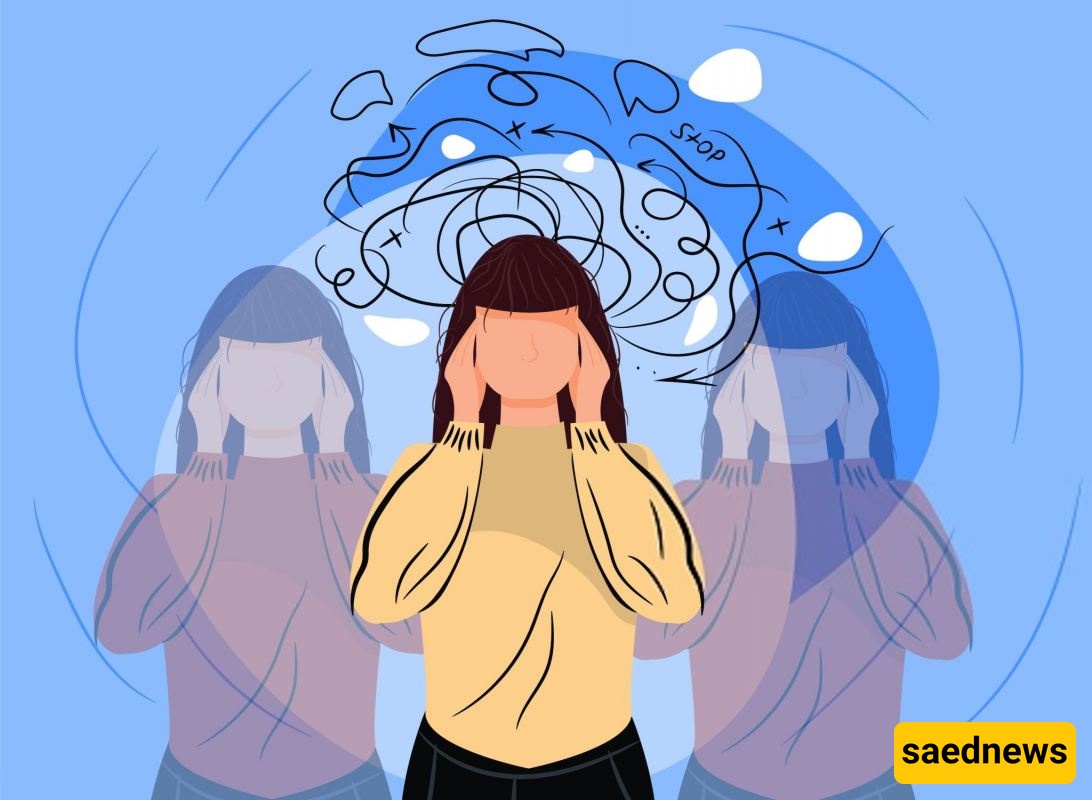
Emotional symptoms may include intense anxiety, sadness, anger, guilt, shame, emotional numbness, or an unexplained sense of fear. A person may feel as though they are back in the original situation or become more sensitive to the behavior of others.
Cognitive symptoms may include intrusive thoughts, flashbacks, nightmares, difficulty concentrating, temporary memory problems, rumination, and feelings of distrust. Some people may also experience difficulty making decisions or a sense of losing control in the days leading up to the anniversary.
Physical symptoms are also common and may include:
Rapid heartbeat
Shortness of breath
Sweating
Trembling
Headaches
Stomach pain
Extreme fatigue
Insomnia or excessive sleeping
These reactions demonstrate that the body, too, can respond to reminders of a traumatic experience.
Behavioral symptoms may include avoiding places, people, or situations associated with the trauma, increased alcohol or substance use, social withdrawal, irritability, or difficulty carrying out everyday activities.
The anniversary of a painful event does not always indicate trauma. Many people experience sadness and nostalgia on the anniversary of a loved one's death. This type of grief is generally accompanied by some degree of acceptance, remembering, and a desire to connect with others.
However, the Trauma Anniversary Effect is more commonly characterized by a sense of threat, heightened arousal, flashbacks, avoidance, and a loss of personal safety.
A person may feel not only sad but also physically and neurologically as though they are preparing for danger.
Recognizing this distinction can help determine whether professional support may be beneficial.
People with a history of multiple traumatic experiences, PTSD, anxiety, depression, or complicated grief may be more vulnerable to the Trauma Anniversary Effect.
Those who received limited social support at the time of the traumatic event or experienced trauma during childhood may also have more intense reactions.
Other factors that can increase symptom severity include:
Lack of social support
Chronic stress
Sleep deprivation
Substance use
Repeated exposure to environments associated with the trauma
In contrast, supportive relationships, appropriate treatment, and emotional regulation skills can provide important protection.
A trauma anniversary is not simply a date on the calendar. Environmental triggers can also reactivate symptoms.
The sound of an ambulance, a particular smell, changes in light or temperature, familiar locations, similar news stories, or even an ordinary conversation may become associated with traumatic memories.
As a result, some people may experience emotional distress on certain days without consciously remembering the original event.
Grounding techniques can help individuals remain connected to the present moment and reduce the intensity of their body's stress response.
Managing the Trauma Anniversary Effect begins with awareness and preparation.
Individuals can identify the days and weeks leading up to an anniversary and make plans in advance. Planning does not mean completely avoiding difficult emotions. Instead, the goal is to create a sense of safety and predictability.
Create a simple and predictable daily routine. Whenever possible, postpone major tasks and difficult decisions until another time.
Maintain regular sleep and eating habits. Sleep deprivation and low blood sugar can reduce emotional resilience.
Practice grounding techniques. Focusing on the five senses, slow breathing, touching an object, and naming things in the surrounding environment can help bring attention back to the present.
Reach out to a trusted support network. Arrange in advance for a reliable friend or loved one to be available on the anniversary.
Limit exposure to news and social media. Content that recalls traumatic experiences may intensify symptoms.
Avoid replacing gradual, therapeutic exposure with complete avoidance. Avoiding all triggers may provide short-term relief but can reinforce fear over time. Any exposure should be approached safely and, when appropriate, with professional guidance.
Create a personal and meaningful ritual. Writing a letter, lighting a candle, acknowledging personal recovery, or engaging in a symbolic activity may help give the day a sense of meaning.

Treatment for the Trauma Anniversary Effect is generally part of a broader trauma treatment plan.
Several therapeutic approaches may help reduce symptoms, including:
Cognitive Behavioral Therapy (CBT)
Exposure Therapy
Eye Movement Desensitization and Reprocessing (EMDR)
Acceptance and Commitment Therapy (ACT)
Trauma-informed therapies
For children and adolescents, family-based and age-appropriate treatments are particularly important.
In some cases, medication may be considered to help manage associated anxiety, insomnia, or depression. Medication should not replace psychotherapy, but it may be a useful component of treatment during periods of acute distress.
Professional support is important if trauma anniversary symptoms are severe, persist for more than a few weeks, interfere with work or relationships, are accompanied by thoughts of self-harm or increased substance use, or leave a person feeling unable to manage their daily life.
For individuals with a history of PTSD or depression, consulting a therapist before the anniversary approaches may also be helpful.
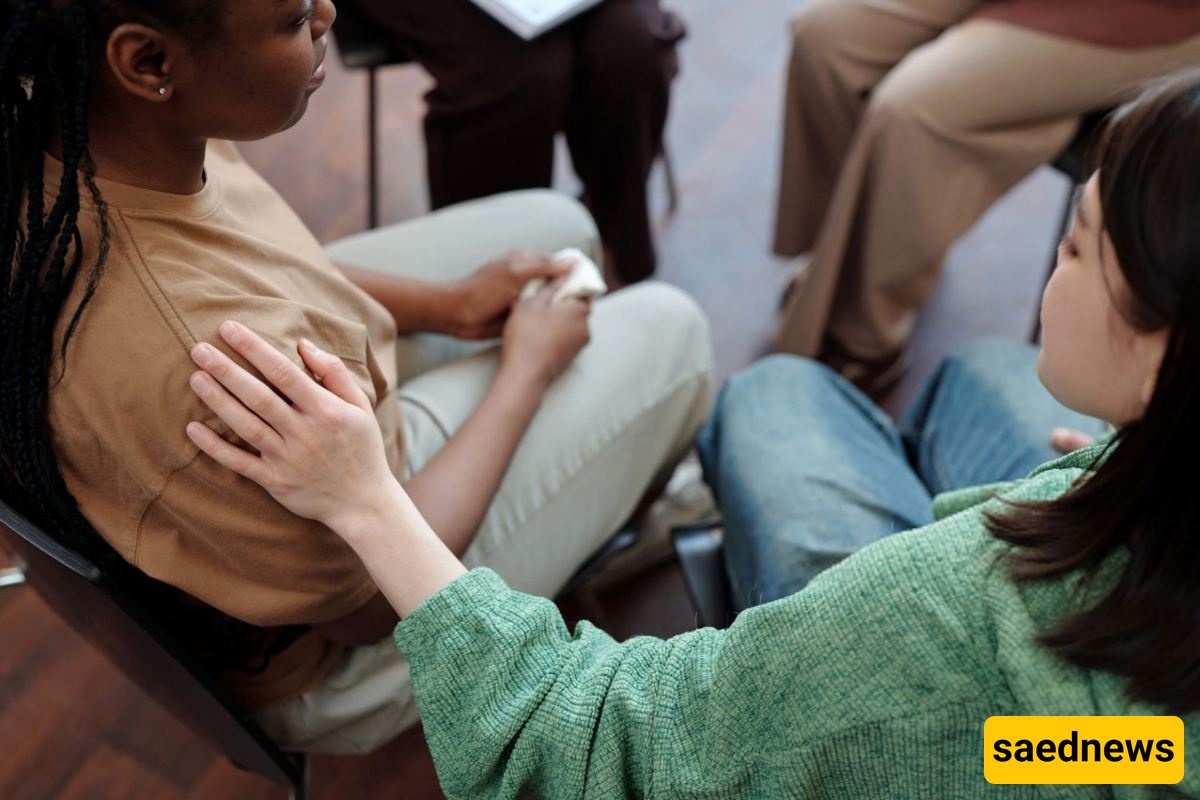
Friends and family members can create a safe and supportive environment without pressuring someone to "forget about it" or "be strong."
Helpful ways to provide support include:
Listening without judgment.
Asking what the person actually needs.
Respecting personal boundaries.
Avoiding dismissive or blaming statements such as "That was in the past."
Offering calm and consistent companionship.
A quiet, dependable presence is often more helpful than unsolicited advice.
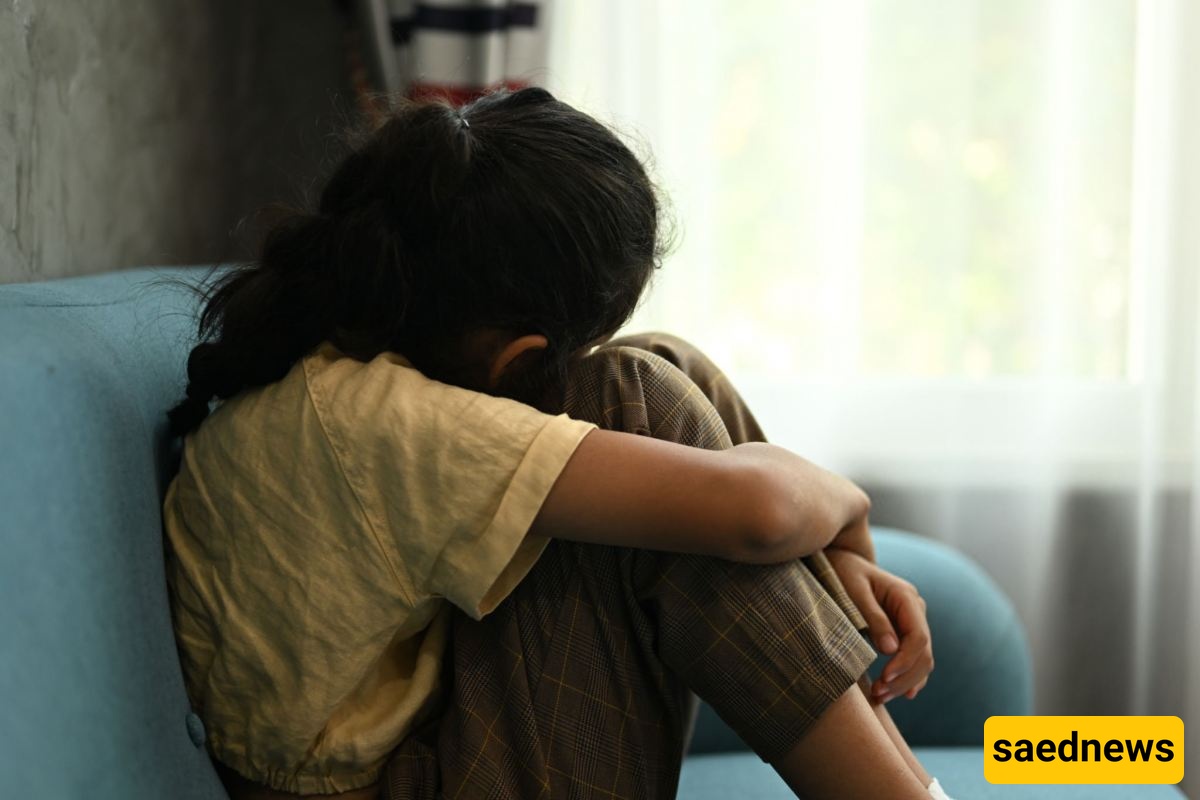
The Trauma Anniversary Effect is a real and understandable phenomenon in which the calendar, memory, and the body's internal alarm system interact to reactivate symptoms of psychological distress.
This response is not a sign of weakness. Rather, it reflects the mind and body's ongoing efforts to process a painful experience.
Recognizing trauma anniversary symptoms, preparing for emotionally difficult days, practicing emotional regulation techniques, relying on a safe support network, and seeking professional treatment when necessary can help reduce the intensity of this experience.
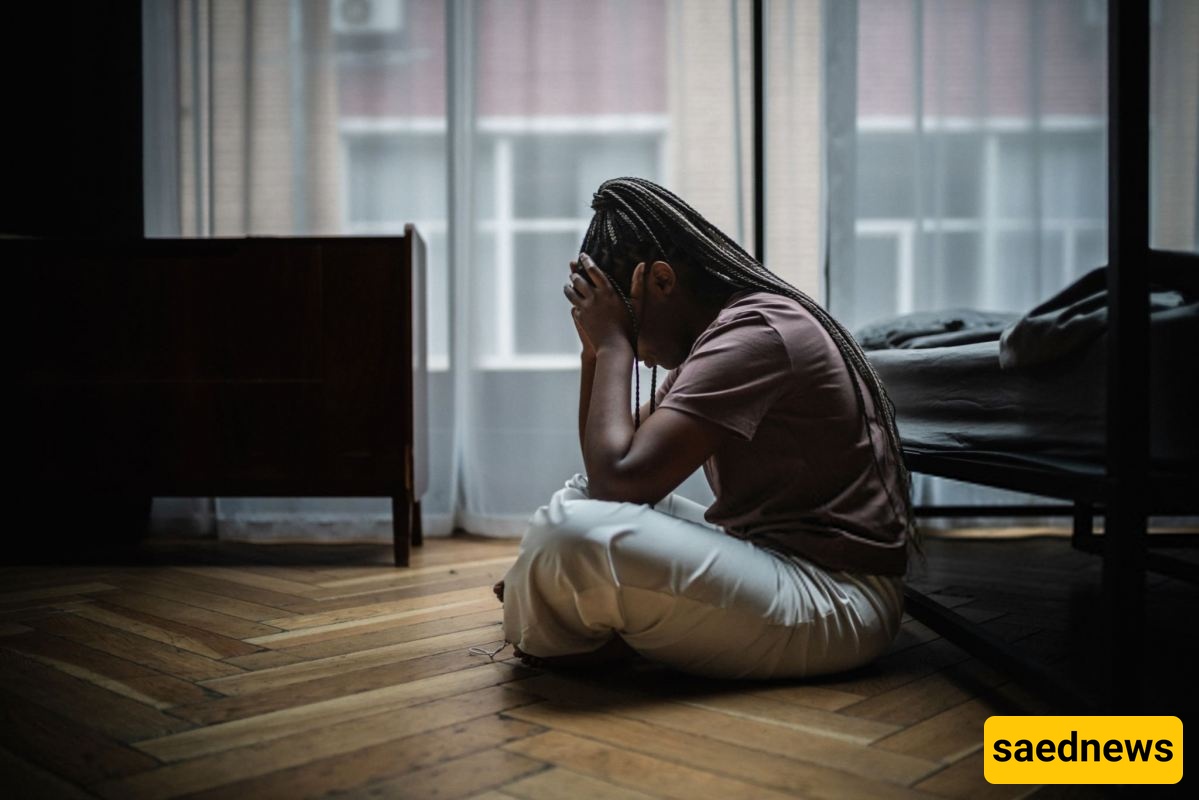
Although trauma anniversaries cannot always be removed from the calendar, individuals can learn to navigate these days with greater awareness, self-compassion, and support, gradually finding their way back to everyday life.