SAEDNEWS: A Comprehensive Guide to Student Stress: Key Causes, Warning Signs, and Practical Stress Management Strategies
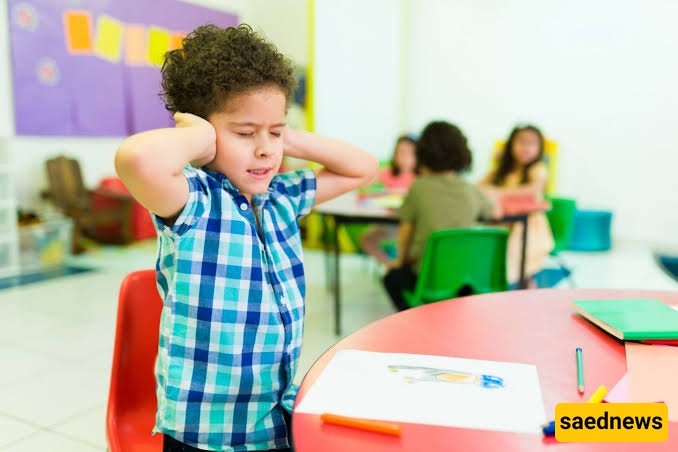
According to Saednews, The school years, despite appearing calm on the surface, are among the most stressful periods in a person’s life. Today’s students grow up in an environment where they face high expectations from their families and educational systems while also navigating the fast-paced world of social media and intense peer competition.
Student stress is not an issue that can be ignored. If left unaddressed, it can lead to declining academic performance, physical health problems, and serious mental health difficulties.
This article examines the main factors that contribute to student stress, identifies its warning signs, and presents practical strategies to help students, families, and schools manage it effectively. Understanding these factors is the first step toward reducing psychological pressure and improving students’ mental well-being.
Stress is the body’s and mind’s natural response to pressure and demands that a person perceives as exceeding their ability to cope. In small amounts, stress can motivate effort and improvement. However, when it becomes excessive, it can seriously interfere with learning and personal development.
During the school years, students’ cognitive and emotional systems are still developing. Continuous exposure to academic pressure can establish unhealthy patterns of responding to stress that may persist into adulthood. Therefore, understanding the causes of student stress is not merely a matter of well-being; it is an educational and public health priority.
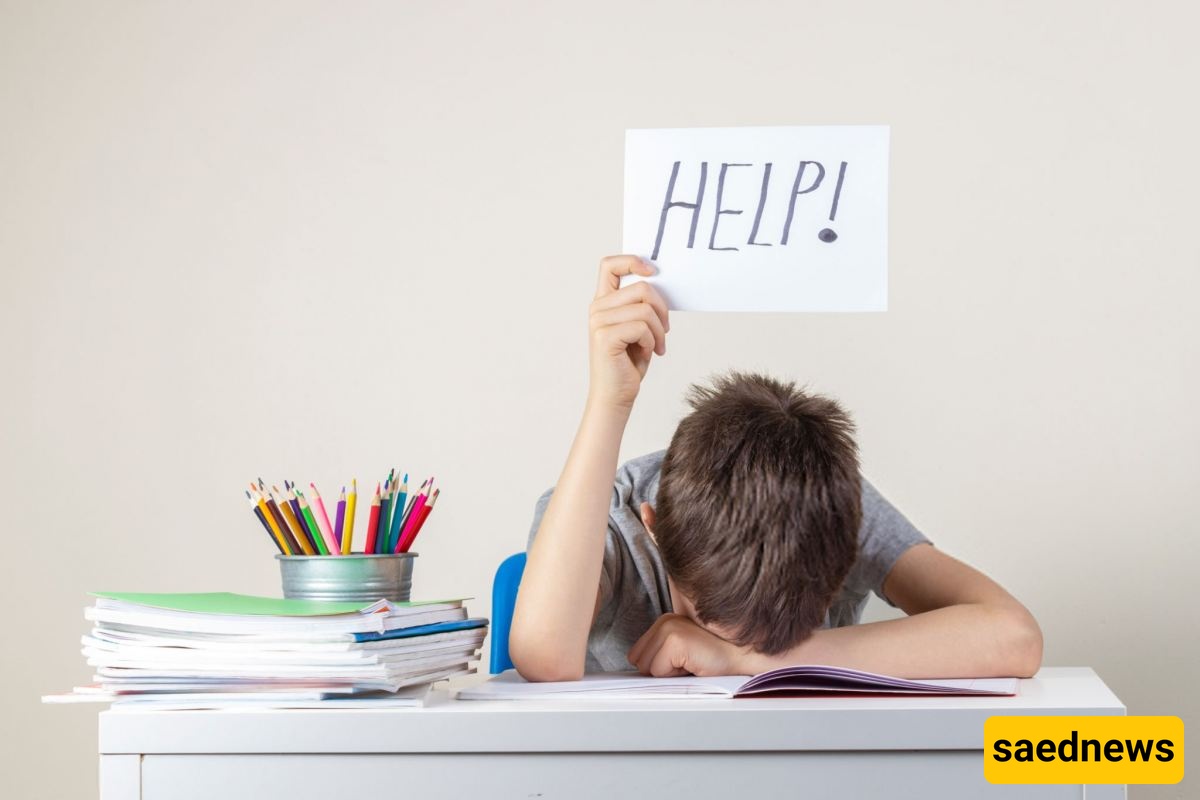
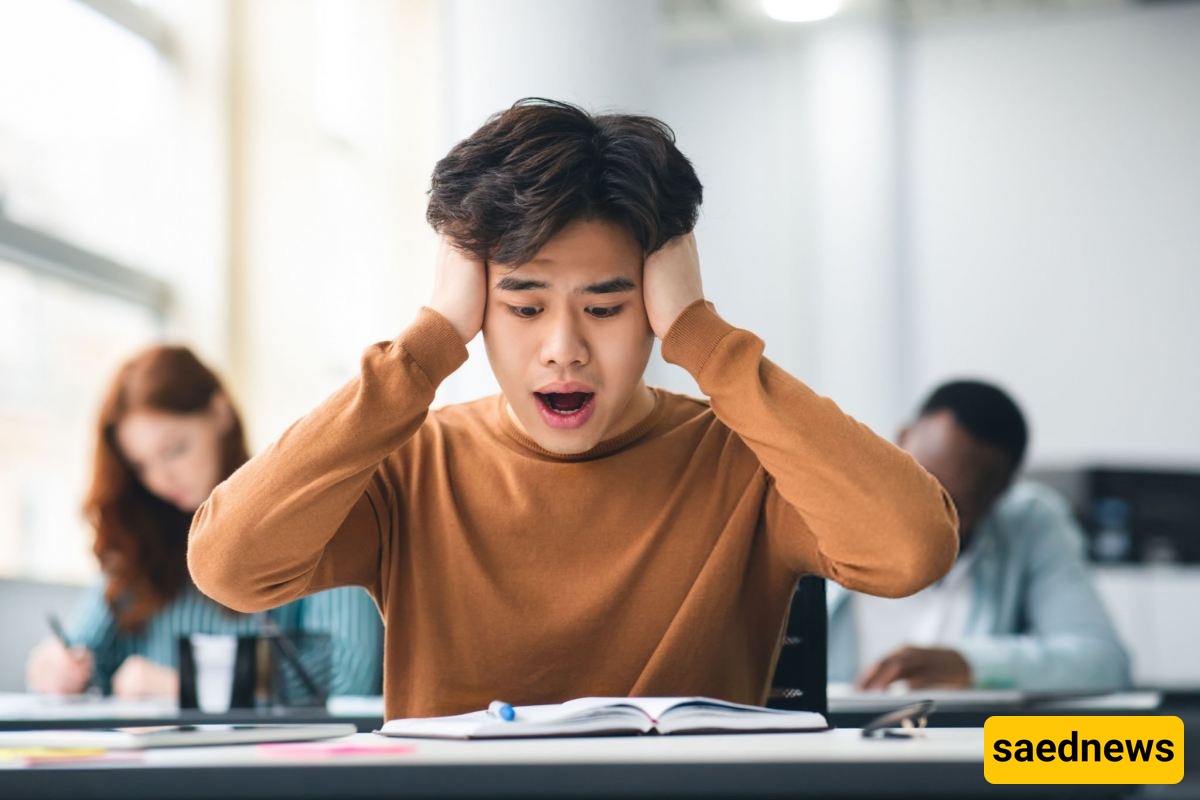
One of the most common sources of student stress is exam anxiety. Students who fear failure may experience memory lapses, a racing heartbeat, and reduced performance during examinations, even when they are well prepared. Assessment systems that focus heavily on grades can intensify this anxiety.
A large volume of coursework, limited time, and expectations to master all the material can leave students feeling as though they are constantly falling behind. This persistent feeling becomes a major source of academic pressure.
In many schools, rankings and the public announcement of grades create a competitive environment in which students measure their worth solely by how well they perform compared with others. Constant comparison can undermine self-confidence and increase stress.
Strict teaching styles, public humiliation, and a lack of consideration for individual differences can turn the classroom into a stressful environment. A safe and supportive relationship with a teacher is one of the most important protective factors against student stress.
Many parents associate their children’s academic success with the family’s reputation. Expectations of achieving excellent grades or entering a particular field of study can make students feel that anything less than the desired result represents a disappointment or betrayal of their family.
Family conflict, divorce, emotional neglect, and excessive strictness can threaten a student’s sense of psychological security. Children and adolescents who lack peace and stability at home may also struggle to cope with pressures at school.
Statements such as “Why can’t you be more like your sister?” may seem harmless, but they can quickly lead to feelings of inadequacy and chronic stress.
The inability to afford tutoring, school supplies, or extracurricular activities can create feelings of disadvantage and social embarrassment among students.
Students who experience bullying at school are at greater risk of anxiety, social isolation, and declining academic performance. The fear of humiliation or rejection by peers places a significant psychological burden on students.
Instagram and other platforms often present idealized and unrealistic images of other people’s lives. Comparing themselves with these images can leave students feeling inadequate. In addition, the fear of missing out (FOMO) and dependence on online approval create new sources of stress.
The desire to be accepted by a group can sometimes push students to behave in ways that conflict with their personal values. This internal conflict can become another source of emotional tension.
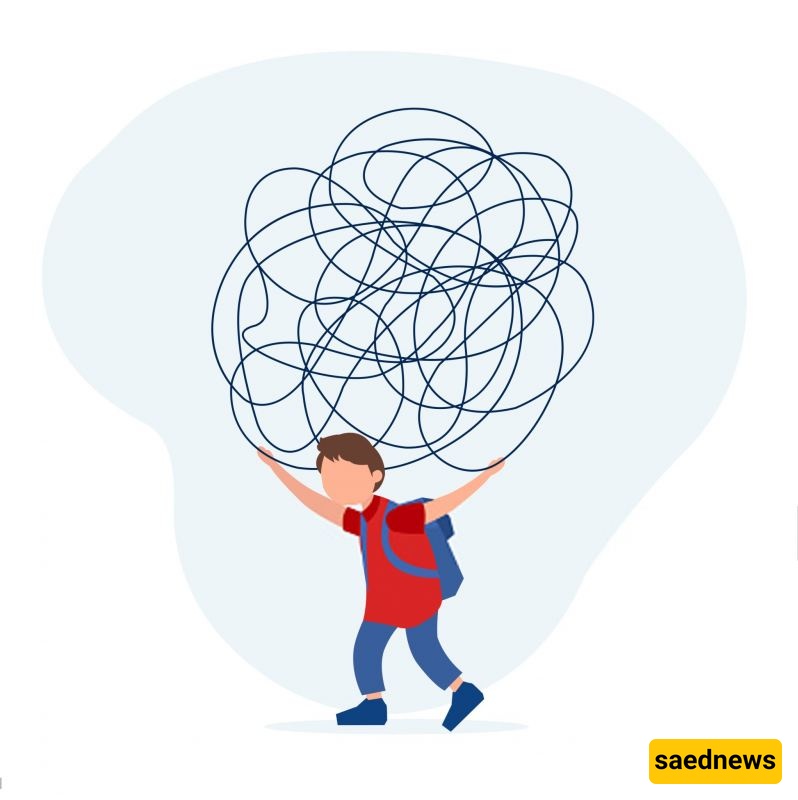
Perfectionist students may feel that no grade is good enough and continually criticize themselves. This pattern is one of the most persistent sources of stress during the school years.
Difficulty planning ahead, accumulating assignments, and studying at the last minute can create a cycle of stress and declining academic performance.
Students who attribute failure to being “untalented” or incapable may be more vulnerable to pressure and setbacks.
Insufficient sleep, poor nutrition, lack of physical activity, and underlying conditions such as social anxiety can increase a student’s sensitivity to stress.
Uncomfortable physical surroundings, overcrowded classrooms, persistent noise, a lack of space for play and rest, and demanding schedules without sufficient breaks can all intensify psychological pressure.
Furthermore, the absence of qualified school counselors can make it more difficult to identify students who are at risk and provide timely support.
Recognizing the signs of stress is essential for timely intervention. These signs can be divided into three main categories:
Physical symptoms: Headaches, stomachaches, insomnia, chronic fatigue, a racing heartbeat, and changes in appetite.
Emotional and psychological symptoms: Anxiety, irritability, sadness, difficulty concentrating, forgetfulness, and feelings of worthlessness.
Behavioral symptoms: Avoiding school, aggression, social withdrawal, declining grades, making excuses to avoid assignments, and excessive dependence on mobile phones.
Teaching stress-management skills can be highly effective. Useful techniques include deep-breathing exercises, mindfulness, realistic planning, and breaking large goals into smaller, manageable steps.
Students can also improve their resilience by:
Getting sufficient sleep.
Engaging in regular physical activity.
Limiting time spent on social media.
Developing consistent study routines.
Setting realistic academic goals and taking regular breaks.
Parents should measure success by effort, not just results. Active listening, avoiding comparisons, and creating a safe and supportive home environment are among the most important ways to reduce student stress.
It is also essential to reduce unrealistic expectations and respect individual differences in abilities, interests, and learning styles.
Schools can help protect students’ mental well-being by reducing unhealthy competition, supplementing numerical grades with constructive descriptive feedback, providing regular counseling, and teaching essential life skills.
Anti-bullying programs and opportunities for student participation and collaboration can also help reduce tension and create a more supportive learning environment.
Structural improvements are also necessary. These include reviewing the volume of course material, reducing excessively long instructional hours, incorporating mental health education into school curricula, and training qualified school counselors.
The factors contributing to student stress are interconnected and include academic, family, social, individual, and environmental pressures. None operates entirely in isolation.
Exam anxiety, high expectations, unhealthy competition, bullying, online comparisons, and perfectionism can all contribute to a cycle of stress that threatens students’ mental well-being and academic future when left unaddressed.

However, stress does not have to determine a student’s future. Identifying its causes, teaching effective coping skills, adjusting family expectations, creating supportive school environments, and prioritizing mental health can help break this cycle.
Reducing student stress is more than an educational objective. It is an investment in the next generation, enabling young people to pursue their development with greater confidence, creativity, and peace of mind.