SAEDNEWS: Yelling may seem like the quickest way to stop a child’s misbehavior, but behind this momentary reaction lie consequences that can remain in a child’s mind and emotional well-being for a long time.
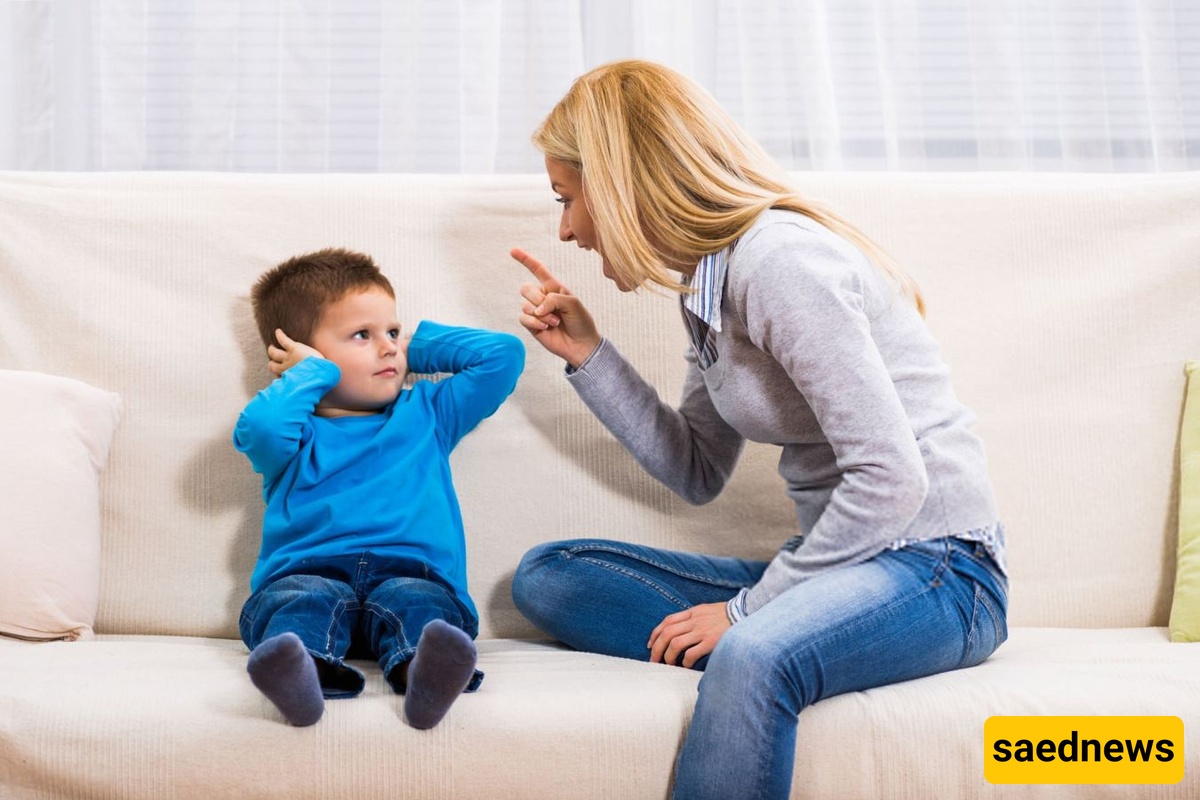
According to Saednews, Yelling at children is something many parents experience during moments of exhaustion, anxiety, or anger. At first glance, shouting may seem like the quickest way to stop a child’s inappropriate behavior. However, this momentary reaction can have consequences that remain in a child’s mind and emotional well-being for a long time. Children are sensitive not only to what is said to them but also to the tone of voice, facial expressions, and emotions they receive from their parents. Yelling at a child, especially when it becomes a recurring pattern, can affect their trust, emotional security, and self-esteem.
Yelling is more than just speaking loudly. When parents shout at their children, the child may interpret the message as “You are a problem,” “You are not good enough,” or “I am not safe.” Even if parents do not intend to communicate these messages, children may internalize them. Therefore, the consequences of yelling should not be assessed only by what happens in the moment. Many of its effects may emerge later in a child’s behavior, emotions, and relationships.
Children develop their self-image largely through the way their parents see and treat them. When yelling becomes frequent, children may begin to believe that “I am bad” or “I am the cause of problems.”
This negative self-image can lead to low self-confidence, persistent feelings of shame, and excessive perfectionism. Children may ignore their own needs to please their parents or avoid new experiences and learning because they are afraid of making mistakes.
Yelling can make the home environment feel unpredictable. A child who never knows when a parent might shout may remain constantly on alert.
This can contribute to anxiety, excessive worrying, stomachaches, headaches, sleep disturbances, and fear of making mistakes. Chronic anxiety in children may manifest as aggression, excessive clinginess, bedwetting, or declining academic performance.

Children learn more from their parents’ behavior than from their words. If yelling becomes the usual way of resolving problems, children may learn to shout, insult others, or use intimidation to get what they want.
These patterns can continue in friendships, at school, and later in family relationships. In this way, yelling may unintentionally teach children to communicate through aggression.
Home should be a safe haven for children. When shouting becomes a regular part of family life, children may begin to distance themselves from their parents.
Afraid of being criticized, they may hide their problems or lie. This emotional distance may develop into distrust, defiance, or social withdrawal during adolescence.
Children raised in environments filled with shouting may also learn to suppress their feelings because they fear negative reactions from others.
Research suggests that chronic stress during childhood can affect brain development and the ability to regulate emotions.
Yelling, particularly when accompanied by threats, humiliation, or emotional neglect, can increase a child’s stress levels. This may negatively affect concentration, working memory, and problem-solving skills.
However, this does not mean that every occasional, brief outburst will inevitably cause lasting damage. The greater concern is when yelling becomes a frequent and intense pattern.
Parents may believe that yelling makes children obey more quickly. In many cases, however, children either comply out of fear or respond with resistance.
Over time, frequent shouting may increase defiance, stubbornness, and aggression. A child who feels disrespected may resort to oppositional behavior as a way of protecting their self-esteem.
Stress caused by yelling may contribute to physical symptoms such as stomachaches, headaches, changes in appetite, sleep problems, and persistent fatigue.
Sometimes, these symptoms are attributed to behavioral or physical problems without recognizing their possible connection to stress. This is why the emotional atmosphere at home is an important consideration when evaluating a child’s well-being.
Children who live in environments filled with shouting may spend much of their emotional energy protecting themselves or hiding their feelings.
This can reduce their concentration, motivation, and participation at school. Fear of making mistakes can also interfere with active learning, which requires experimentation, asking questions, and accepting that mistakes are part of the process.
Yelling at one child may intensify comparison, jealousy, and competition among siblings. A child may feel that their parents love them less or blame them for tension within the family.
These experiences can influence future family relationships and may contribute to a cycle of verbal punishment being passed from one generation to the next.
Setting boundaries is an essential part of parenting. Children need to understand which behaviors are acceptable and what consequences follow when rules are broken.
However, healthy boundary-setting is fundamentally different from yelling. With healthy boundaries, parents address the behavior rather than attacking the child’s character.
For example, instead of saying, “You are so rude!” a parent could say, “When you throw your toys, something might break. Please put them down gently.”
This approach maintains respect, clarity, and consistency, whereas yelling is often accompanied by humiliation, threats, and guilt.
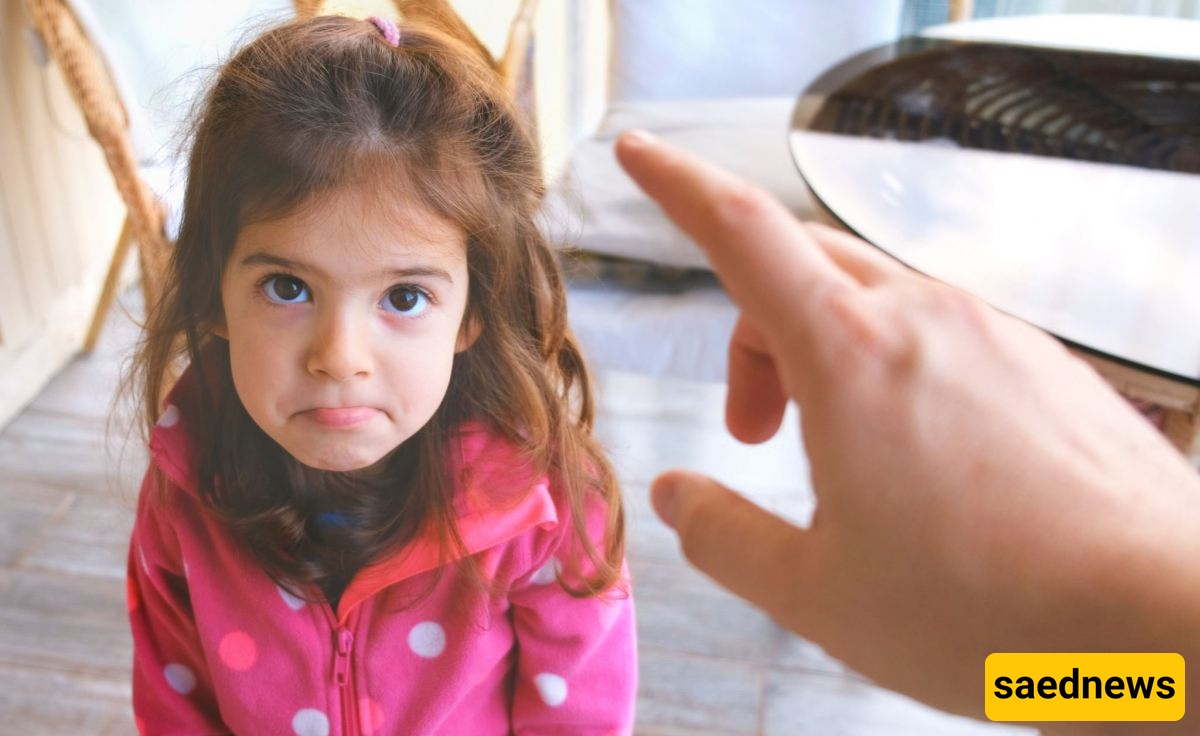
Yelling does not necessarily mean that a parent is bad. Fatigue, financial pressure, lack of sleep, anxiety, childhood experiences, and difficulties regulating emotions can all increase the likelihood of shouting.
Some parents also believe that yelling is the only way to make their children obey. Recognizing these triggers is the first step toward change.
When parents learn to identify stressful situations, they can choose alternative responses before reaching the point of shouting.
Before responding, take a few deep breaths and pause for several seconds. This brief break can help prevent an outburst.
If you feel that you are losing control, temporarily step away from the situation, ensuring your child remains safe, and return once you have calmed down. This also teaches children that emotions can be managed constructively.
Instead of saying, “You are always making a mess,” describe the specific behavior: “I can see that the toys are scattered across the floor. Let’s put them away together.”
This helps children understand what the problem is and what is expected of them.
During tense moments, short statements are often more effective.
For example:
“It’s time to wash your hands.”
“If you continue, we will have to stop the game.”
A firm but respectful tone is more constructive than shouting.
Children should know in advance what the rules are and what happens when they are broken.
Consequences should be logical, proportionate, and enforceable. For example, if a child repeatedly throws a toy, the toy can be put away temporarily.
This approach teaches responsibility rather than fear.
Children sometimes behave inappropriately because they struggle to understand or express their feelings.
Saying, “I know you’re angry, but hitting is not okay,” can help a child recognize their emotions and find healthier ways to express them.

If you have yelled, it is important to repair the relationship.
You could say, “I got angry and shouted at you. That was not right, and I’m sorry. We still need to work on your behavior, but I should have handled it differently.”
A parent’s apology teaches children that mistakes can be repaired and that mutual respect matters.
If yelling has become a recurring pattern or you find it difficult to control your anger, consulting a family counselor or child psychologist may help.
Seeking professional support is not a sign of weakness, nor does it replace personal responsibility. It is an opportunity to develop new skills and healthier ways of communicating.
Although yelling at a child may produce immediate silence or compliance, over time it can harm the child’s self-esteem, emotional security, ability to regulate emotions, and relationship with their parents.
Potential consequences include increased anxiety, aggression, reduced trust, lower motivation, and the development of unhealthy communication patterns.
In contrast, respectful boundary-setting, clear communication, empathy, and repairing the relationship after mistakes can create a safer environment for children to grow and thrive.
Parents do not have to be perfect. However, they can learn to pause instead of shouting, recognize their emotions, and respond respectfully.
Even small changes in tone and communication can send a powerful message to a child: “You matter, even when I do not approve of your behavior.”
That message provides a foundation for emotional well-being and healthier relationships in the future.