SAEDNEWS: Kissing a child is more than a simple expression of affection. Scientific findings suggest that this physical expression of love has a lasting impact on a child’s physical, psychological, and social development.

According to Saednews, Among the many ways parents express love for their children, a simple, heartfelt kiss can be one of the most powerful. Kissing a child is more than an affectionate gesture; it can contribute to their emotional well-being, physical comfort, and social development.
Many parents may not realize that this small, everyday expression of love can help lay the foundation for their child's emotional health and relationships in the years to come. Here is a closer look at the potential benefits of parental affection from the perspectives of psychology, neuroscience, and child development.

From birth, children begin to experience love through physical contact, even before they understand words. Being held, gently touched, and kissed provides early experiences of comfort and connection.
These interactions can help establish secure attachment, an important foundation for a child's emotional development. Children who experience consistent, responsive affection may find it easier to develop trust, build healthy relationships, and manage their emotions as they grow.
A loving kiss can communicate an important message to a child: You are loved, valued, and safe.
Regular expressions of affection may help children feel accepted and develop a stronger sense of self-worth. Feeling loved and supported can also encourage them to explore their surroundings, interact with others, and face new experiences with greater confidence.
Gentle, reassuring physical contact can help children feel calmer during stressful situations. A comforting kiss or hug may be especially helpful when a child is experiencing separation anxiety, starting school, or adjusting to unfamiliar surroundings.
Positive physical affection is also associated with stress regulation. However, its effects vary from child to child, and it works best alongside consistent emotional support and reassurance.

Children gradually learn how to understand and express their feelings through their relationships with caregivers.
When parents respond to their children with warmth and affection, they help create an environment in which emotions can be expressed safely. Over time, these experiences may support the development of healthier ways to cope with frustration, sadness, fear, and disappointment.
Affectionate interactions can stimulate the release of oxytocin, a hormone involved in social bonding and feelings of connection. This process may help both parents and children experience greater closeness and relaxation.
Warm physical contact can also provide sensory reassurance, helping children feel comforted and connected to their caregivers.
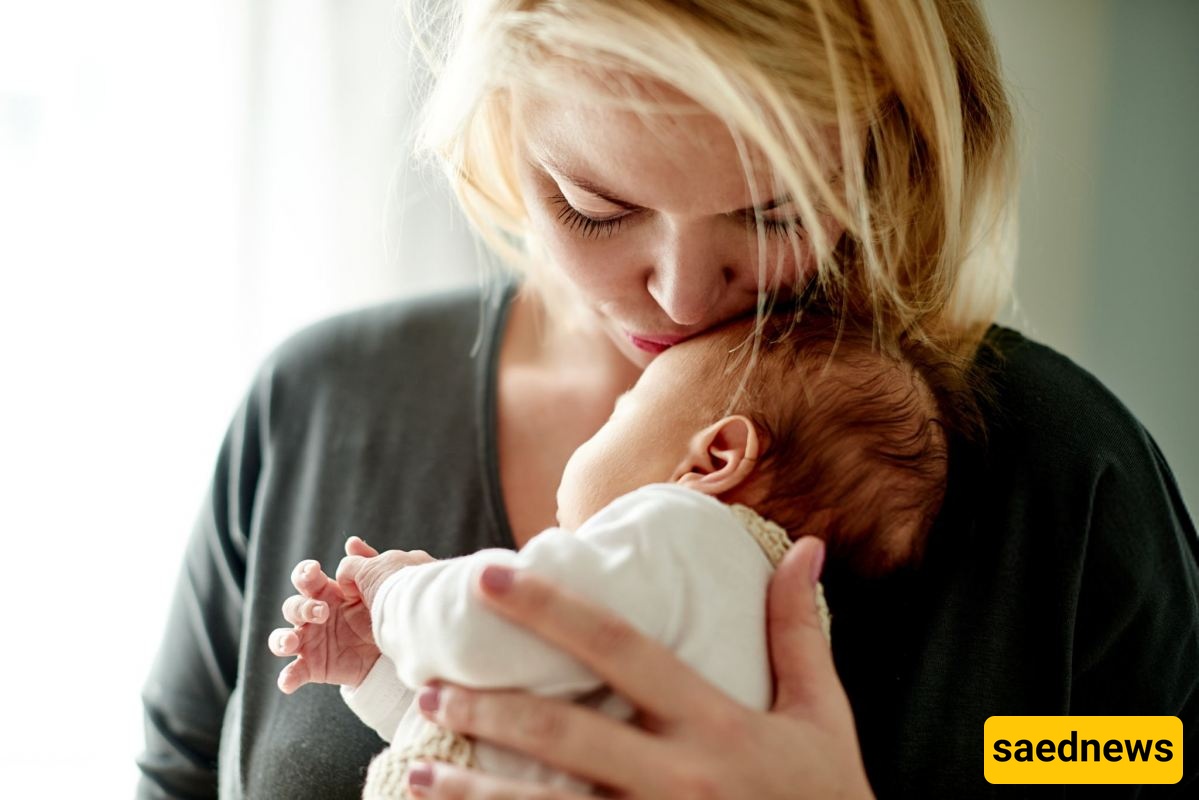
During the early years of life, a child's brain develops rapidly. Positive interactions with caregivers, including gentle touch, cuddling, and responsive communication, contribute to a nurturing environment for learning and development.
These experiences help support the development of neural pathways involved in emotional processing, memory, and social interaction. Kissing alone does not determine brain development, but it can be one part of a broader pattern of loving, responsive caregiving.
A goodnight kiss can provide a familiar, comforting signal that the day is ending.
When combined with a consistent bedtime routine, such as reading a story or sharing a quiet conversation, affectionate gestures may help children feel secure and ready to sleep. Feeling calm and emotionally connected can make bedtime more comfortable for many child
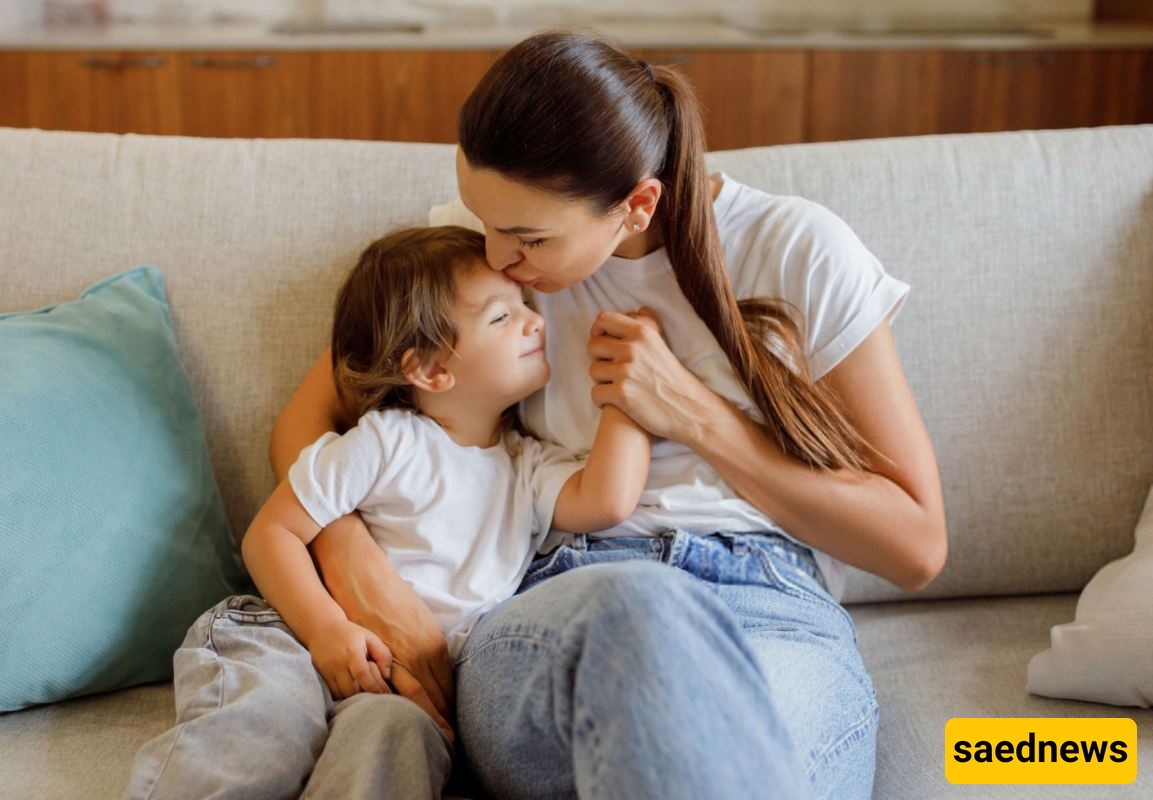
en.
Children learn about relationships by observing and experiencing how others treat them.
In a family environment where affection is expressed respectfully, children can learn to communicate warmth, recognize other people's feelings, and develop empathy. These early experiences may help them build positive relationships with friends and family members later in life.
It is equally important to teach children that affection should be mutual and that everyone has the right to personal boundaries.
The way children prefer to receive affection can change as they grow.
Babies and toddlers: Gentle cuddling, kisses, and physical closeness can provide comfort and support bonding.
School-age children: Hugs, forehead kisses, and other welcome gestures can reinforce feelings of love and security.
Teenagers: Some may continue to enjoy kisses and hugs, while others prefer verbal reassurance, spending time together, or less physical contact.
Parents should respect their children's preferences and avoid assuming that every child enjoys the same expressions of affection.
Boys and girls alike benefit from feeling loved, supported, and emotionally connected to their caregivers.

Expressing affection is not exclusively a mother's responsibility. Fathers also play an important role in their children's emotional development.
When fathers offer warmth through hugs, kisses, encouragement, and attentive care, they can strengthen their relationships with their children and contribute to a supportive family environment.
Children benefit when affection and emotional support are consistently provided by the important caregivers in their lives.
Although affectionate kisses can be a positive part of parenting, a few considerations are important:
Respect your child's wishes: If your child does not want a kiss, respect their decision. This helps them understand bodily autonomy and personal boundaries.
Take hygiene precautions: Avoid kissing a child directly on the face or mouth when you have a cold sore or an infectious illness. Cold sores caused by herpes simplex virus can be particularly dangerous for newborns.
Never force affection: Children should not feel obligated to kiss relatives or other people to please them. Offer alternative ways to say hello or show affection.
Make affection consistent and genuine: Loving interactions throughout the day can be more meaningful than focusing on kisses alone.
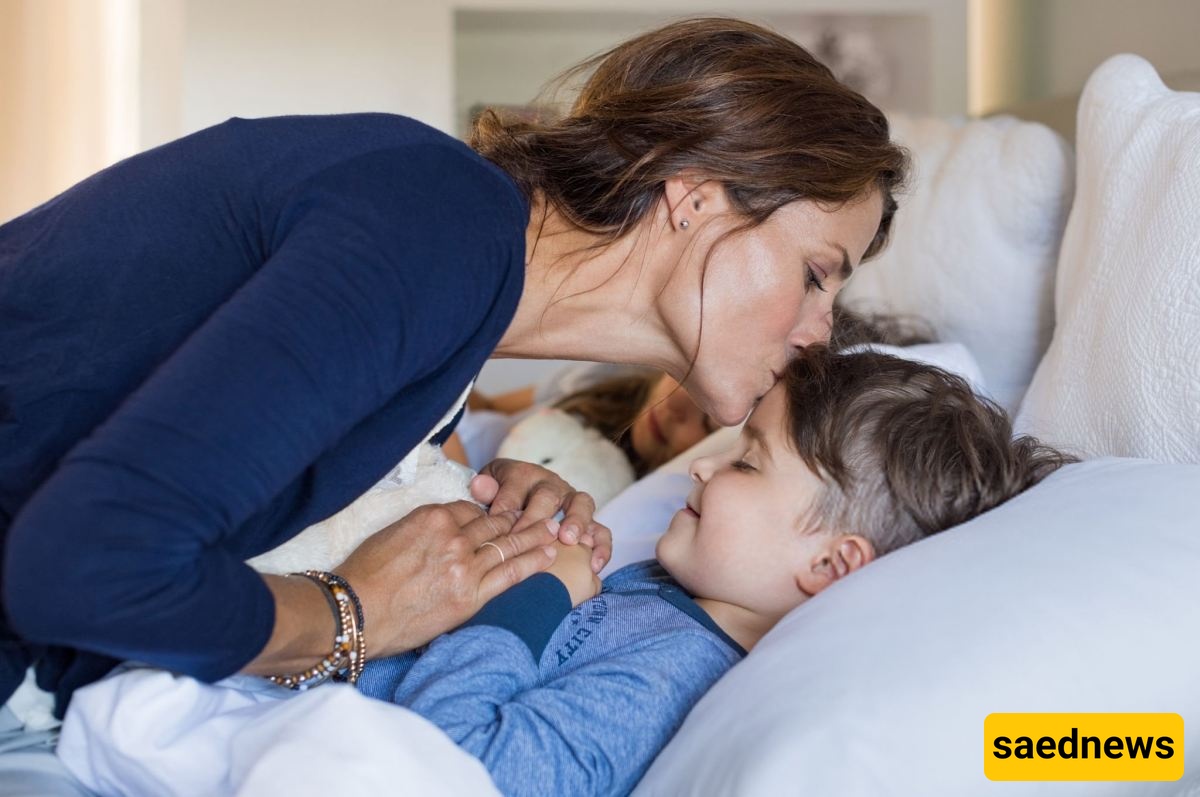
Kissing your child may seem like a simple everyday gesture, but it can be a meaningful way to communicate love, reassurance, and emotional connection.
Alongside hugs, attentive listening, encouragement, and responsive care, affectionate interactions can support a child's sense of security, self-esteem, emotional development, and relationships with others.
The most important thing is not how often you kiss your child, but whether your affection makes them feel safe, respected, and loved. A gentle kiss, offered with warmth and respect, can become one of the many small moments that help build a strong and lasting parent-child bond.