SAEDNEWS: Social skills are a set of learnable abilities that enable effective communication, empathy, and teamwork, playing a vital role in career success and the quality of relationships.
According to Saednews, Humans are social beings who cannot fully grow and thrive without interacting with others. In today's world, having specialized knowledge and technical expertise alone is not enough. The ability to interact effectively with others plays a decisive role in personal and professional success.
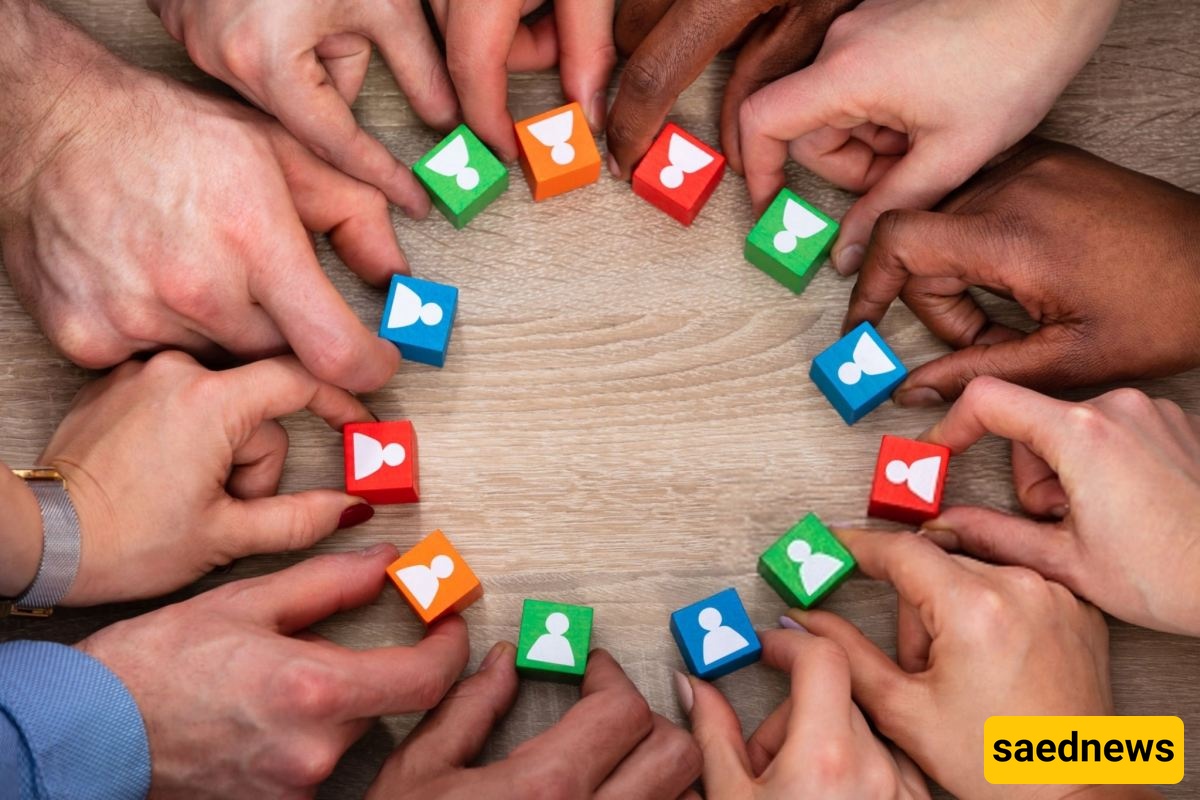
Social skills are a set of abilities that help us behave appropriately, effectively, and respectfully when interacting with others.
Many people believe that social skills are innate, assuming that some people are born with them while others lack them. However, the reality is that these skills can be learned, and anyone can strengthen them through practice and awareness.
This article introduces the most important social skills and provides practical strategies for developing them.
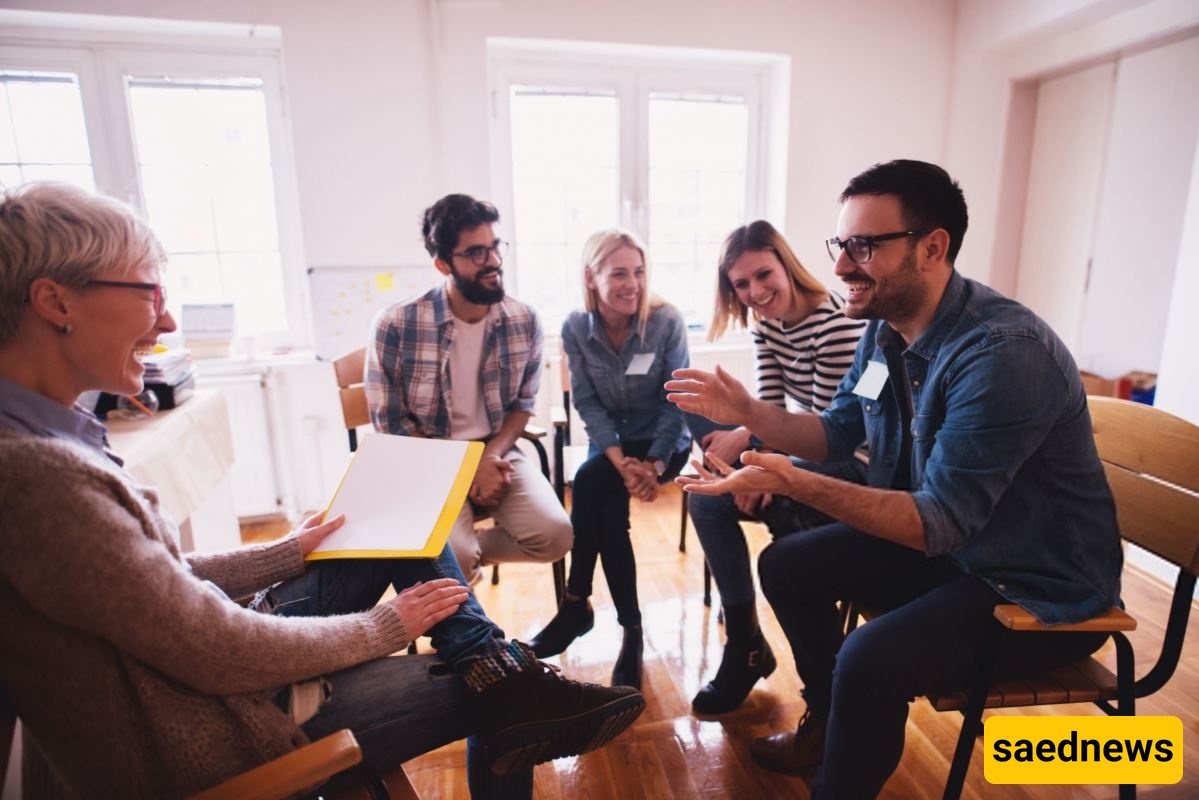
Social skills refer to a set of abilities that enable individuals to build constructive relationships in different social situations, understand their own emotions and those of others, and manage conflicts in a healthy way.
These skills include verbal and nonverbal communication, empathy, active listening, negotiation, teamwork, and emotional regulation.
Their importance is evident in several key areas:
In the workplace: Employers increasingly seek people who can work in teams, resolve conflicts, and communicate effectively with colleagues and customers.
In personal relationships: The quality of our family, friendships, and romantic relationships depends largely on our social skills.
In mental well-being: People with stronger social skills generally experience less social anxiety and have greater self-confidence.
Research suggests that people with higher emotional intelligence and stronger social skills tend to advance more quickly in their professional lives and build more lasting relationships.

Active listening is one of the most fundamental yet frequently overlooked communication skills. During conversations, many of us think about what we will say next instead of focusing on the other person's words.
Active listening means giving the speaker your full attention, asking clarifying questions, and paraphrasing what they have said to ensure accurate understanding.
This skill helps others feel valued and strengthens mutual trust.
The ability to express thoughts, feelings, and needs clearly is a cornerstone of social skills. Effective verbal communication involves choosing appropriate words, using a respectful tone, and avoiding ambiguity and sarcasm.
People who can communicate their intentions clearly and assertively, without being aggressive, are less likely to experience misunderstandings.

A significant portion of our messages is conveyed through facial expressions, eye contact, posture, and hand gestures.
Appropriate body language can build trust and rapport, while negative nonverbal cues, such as avoiding eye contact or crossing one's arms, may communicate disinterest or emotional distance.
Empathy is the ability to understand and share other people's feelings and perspectives. It helps us understand someone else's situation before passing judgment.
Empathy is the foundation of trust and meaningful human relationships. In the workplace, it also helps reduce tension and encourage collaboration.
The ability to recognize and manage emotions such as anger, anxiety, and frustration is essential in social situations.
People who can remain calm during difficult moments are more likely to make rational decisions and avoid unnecessary conflicts.
Conflict is a natural part of every relationship. What matters most is how it is managed.
Conflict resolution involves listening to both sides, identifying common interests, and finding mutually beneficial solutions.
Rather than avoiding disagreements or responding aggressively, people with strong conflict-resolution skills view them as opportunities to improve relationships.
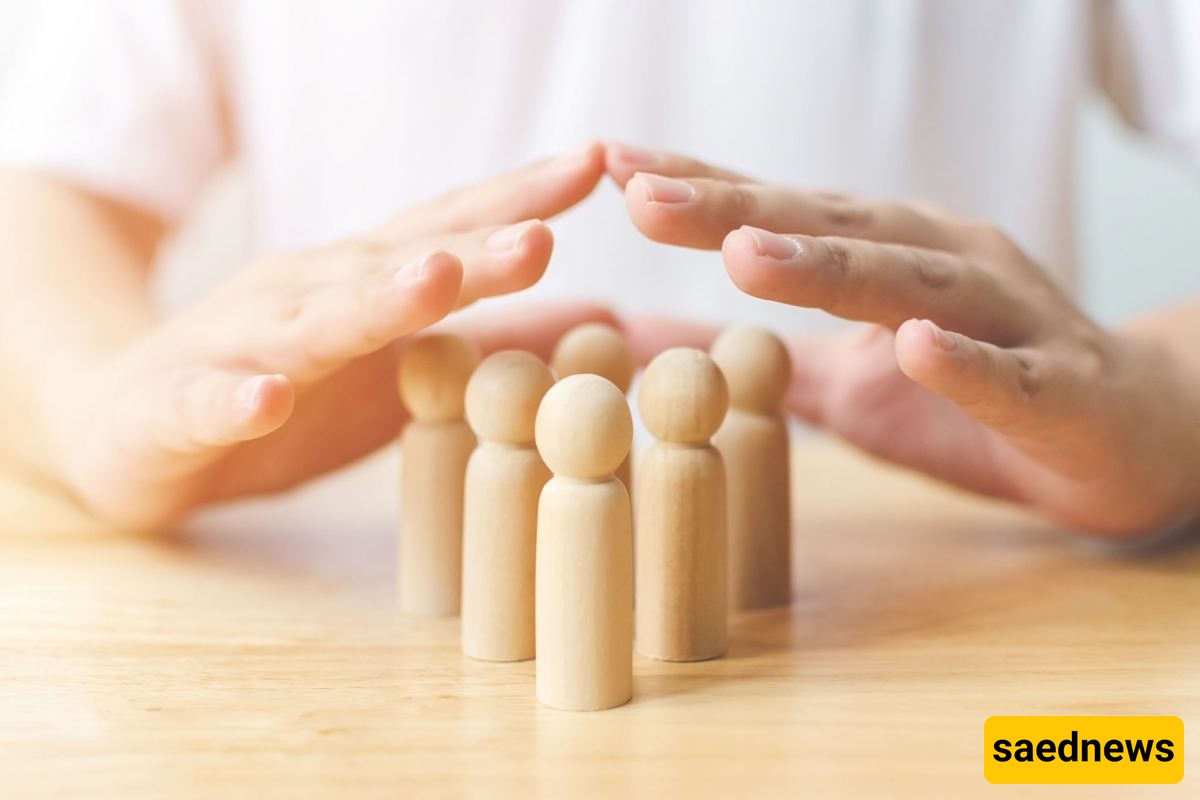
The ability to establish personal boundaries and say “no” respectfully is a sign of social maturity.
People who struggle to define their boundaries often experience stress, burnout, and resentment. Respecting both our own boundaries and those of others is essential for maintaining healthy relationships.
Trust is the foundation of every meaningful relationship. Honesty, keeping promises, and communicating transparently gradually earn the confidence of others.
Without trust, no other communication skill can ensure lasting relationships.
The ability to work alongside others, share responsibilities, and respect each team member's role is essential in professional environments.
Effective collaboration contributes to the growth of both individuals and organizations.
The ability to speak in front of an audience, present ideas, and capture people's attention is an important skill in many professional and academic settings.
With practice, preparation, and effective management of anxiety, these skills can be significantly improved.

Fortunately, social skills are not limited to innate abilities. They can be developed and strengthened through consistent practice.
Here are some effective strategies:
Practice active listening: Put your phone away during conversations and give the speaker your full attention.
Ask questions: Instead of talking continuously, ask questions that help the other person feel heard and valued.
Observe and learn from others: Pay attention to how socially skilled people interact with others and learn from their behavior.
Practice empathy: Put yourself in other people's shoes and try to understand situations from their perspective.
Ask for feedback: Invite trusted people to share honest opinions about your communication strengths and weaknesses.
Participate in group activities: Joining sports teams, clubs, or educational programs provides opportunities to practice social skills in real-life situations.
Learn through reading and training: Books and courses on emotional intelligence and effective communication can expand your knowledge and awareness.
Recognizing obstacles is the first step toward overcoming them.
Common barriers include shyness and social anxiety, fear of being judged, low self-confidence, limited social experience, and unhelpful communication habits such as interrupting others.
Many of these challenges can be reduced through gradual practice and small but consistent steps toward greater social interaction.

Social skills are the hidden foundations of success in modern life. From active listening and empathy to conflict resolution and teamwork, each skill helps us build healthier relationships, achieve greater professional success, and lead more fulfilling lives.
Contrary to popular belief, these abilities are not exclusively innate. People of any age can learn and improve them.
The key is awareness and consistent practice. By starting with small changes, such as listening more attentively during everyday conversations, we can gradually expand our range of social skills.
Investing in these abilities is an investment in a more successful future and richer, more meaningful relationships.