SAEDNEWS: Marriage at an older age can be associated with reduced loneliness and improved health, but it may also bring challenges such as financial concerns and family opposition.

According to Saednews, Society today has a more open attitude toward marriage at an older age than in the past. Longer life expectancy, improved overall health, and changing lifestyles have encouraged older adults to seek new emotional relationships and companionship. At the same time, the declining social stigma surrounding remarriage in later life has given older adults greater freedom to make their own decisions.
One of the main reasons people choose to marry later in life is to overcome loneliness. As people age, they may lose spouses, friends, and acquaintances. Marriage can help fill the emotional gap created by these losses and provide a sense of belonging and companionship. Research indicates that married older adults often experience better psychological well-being than their unmarried peers.
Marriage later in life may have positive effects on physical health. Partners often encourage each other to take better care of their health, take medications regularly, attend medical appointments, and maintain a healthy diet. Having someone available during illness or an emergency can also provide valuable support. Numerous studies have found that married people, particularly at older ages, tend to have greater longevity than unmarried individuals.
A shared life in later years can be an important source of emotional support. Older adults may face challenges such as declining physical abilities, retirement, and changes in their social roles. Having a partner who understands these challenges and provides emotional support can help reduce stress and anxiety.
Marriage later in life can also offer financial advantages. Sharing expenses such as housing, utilities, and everyday living costs may reduce financial pressure. Combining financial resources and pensions may also provide greater economic security.
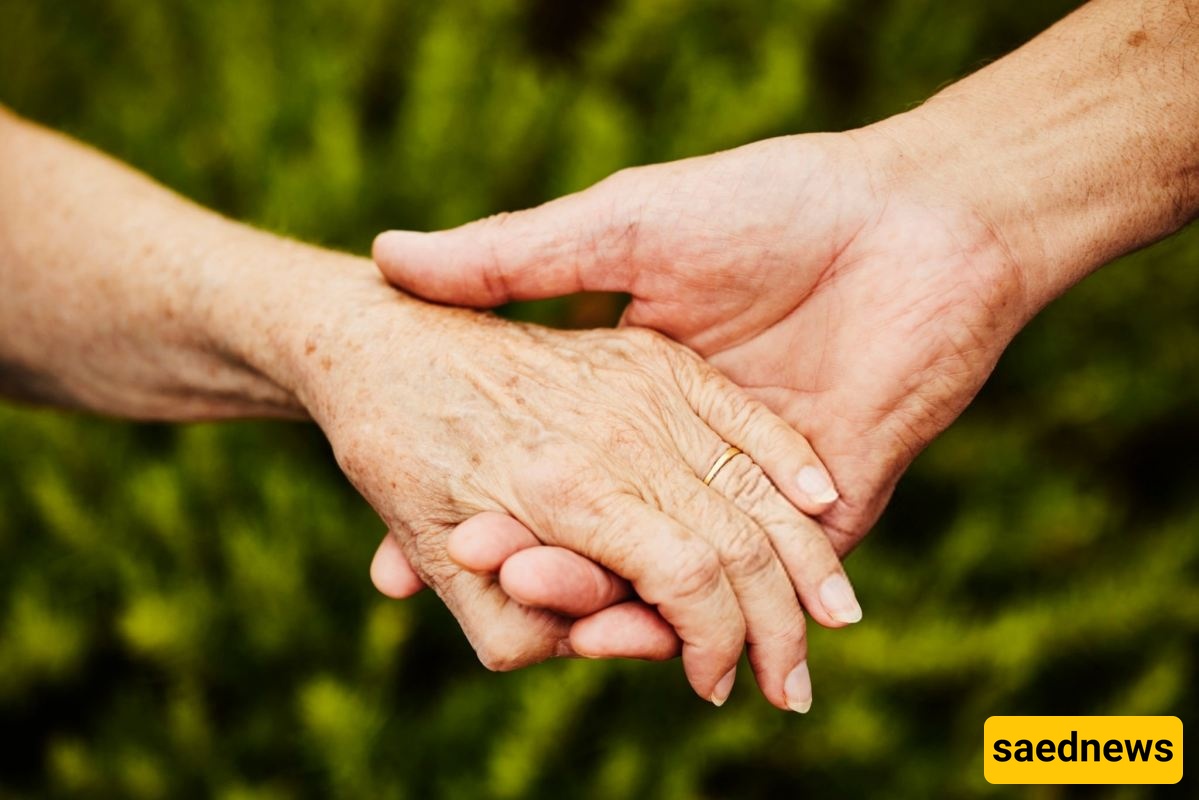
Marriage at an older age can give individuals a renewed sense of purpose. Making plans for the future, traveling together, participating in social activities, and sharing enjoyable experiences with a partner can significantly enhance quality of life.
As people age, the likelihood of chronic illnesses and the need for specialized care increase. Marriage later in life may therefore involve caring for a partner who becomes ill. This can create considerable physical and emotional pressure, particularly when one partner requires long-term care.
Disapproval from children and other family members is a common obstacle for older adults considering marriage. Concerns about inheritance, changes in family relationships, and potential financial exploitation may contribute to this opposition. Such family pressure can create significant stress and tension for an older couple.
Marriage later in life can involve complicated legal and financial issues. Property ownership, inheritance, pensions, and insurance are among the matters that should be carefully considered. A lack of clarity in these areas can potentially lead to serious disagreements between partners and their families.
Older adults often have well-established routines, lifestyles, and personal values that may be difficult to change. Differences in sleeping patterns, eating habits, hobbies, and levels of activity can lead to everyday disagreements. Less flexibility in established routines can make adapting to a new partner more challenging.
Some older adults worry that marriage may limit their independence. After many years of living independently, sharing daily life with another person and making compromises can be difficult. This concern may be particularly strong among people who have lived alone for a long time.
Consulting a professional counselor who has experience working with older adults can be highly beneficial before marriage. Counseling can help partners clarify their expectations, discuss important issues openly, and prepare for potential challenges.
Financial matters should be discussed clearly before marriage. Couples should talk about income sources, assets, debts, household expenses, and inheritance plans. A financial agreement or prenuptial agreement may help prevent many future disputes.
Building a positive relationship with a future spouse's children and family members can be important. Couples should allow enough time for their families to become acquainted and address concerns openly. Transparency and patience throughout this process can help reduce family tensions.
Before marriage, both partners should understand their own health status and communicate relevant information with each other. Regular medical checkups and planning for potential future care needs are also important.
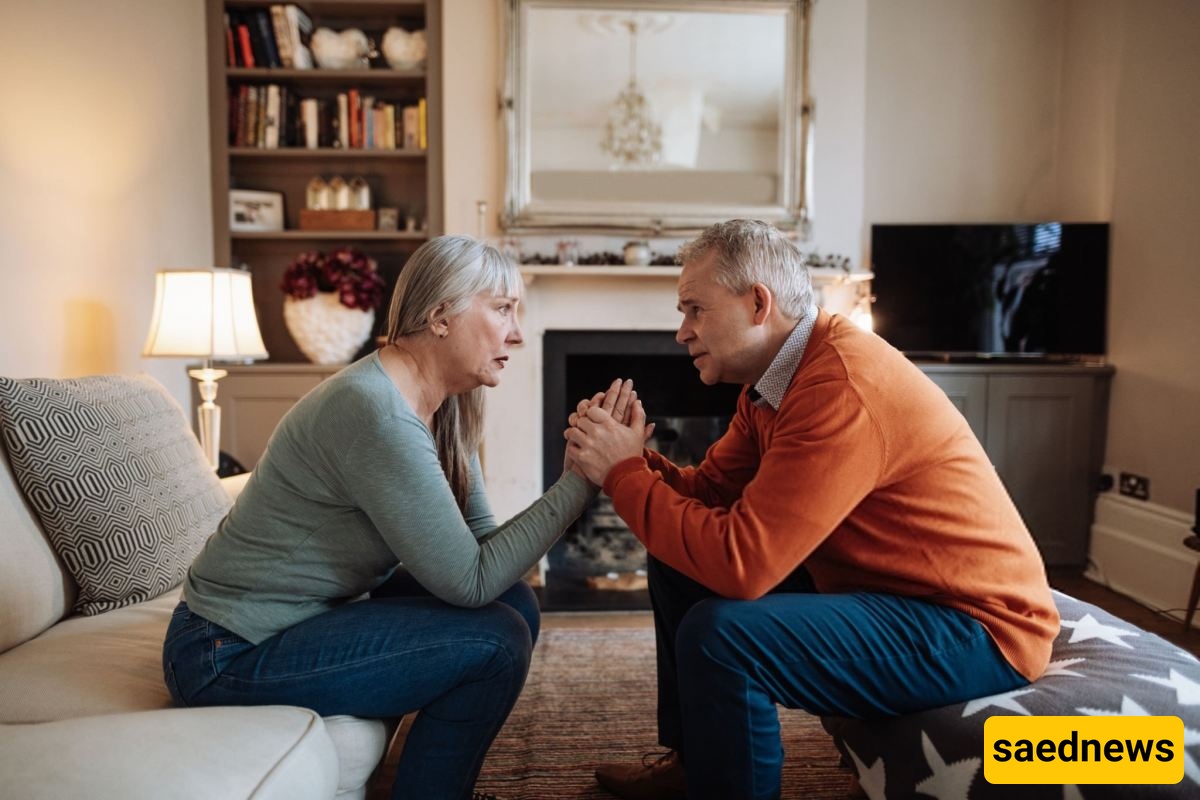
In a later-life marriage, maintaining a healthy balance between spending time together and preserving individual independence is essential. Partners should respect each other's personal needs, space, and private time while maintaining realistic expectations about how much time they will spend together.
Experiences of older couples in successful marriages suggest that qualities such as patience, flexibility, effective communication, and realistic expectations can play an important role in maintaining a healthy relationship. Many older couples say that marriage later in life has given them another opportunity to experience love, companionship, and happiness.
Psychologists generally recognize that the need for intimacy and companionship continues throughout life, and older age does not eliminate these needs. At the same time, they emphasize that marriage later in life should be approached with careful consideration and planning. Specialists recommend that older adults spend sufficient time getting to know each other before marriage and avoid making the decision hastily.