SAEDNEWS: A parent’s response to prolonged crying can influence a child’s sense of safety, emotional regulation, and ability to seek comfort. Calm, responsive caregiving can help children gradually learn to manage strong emotions.
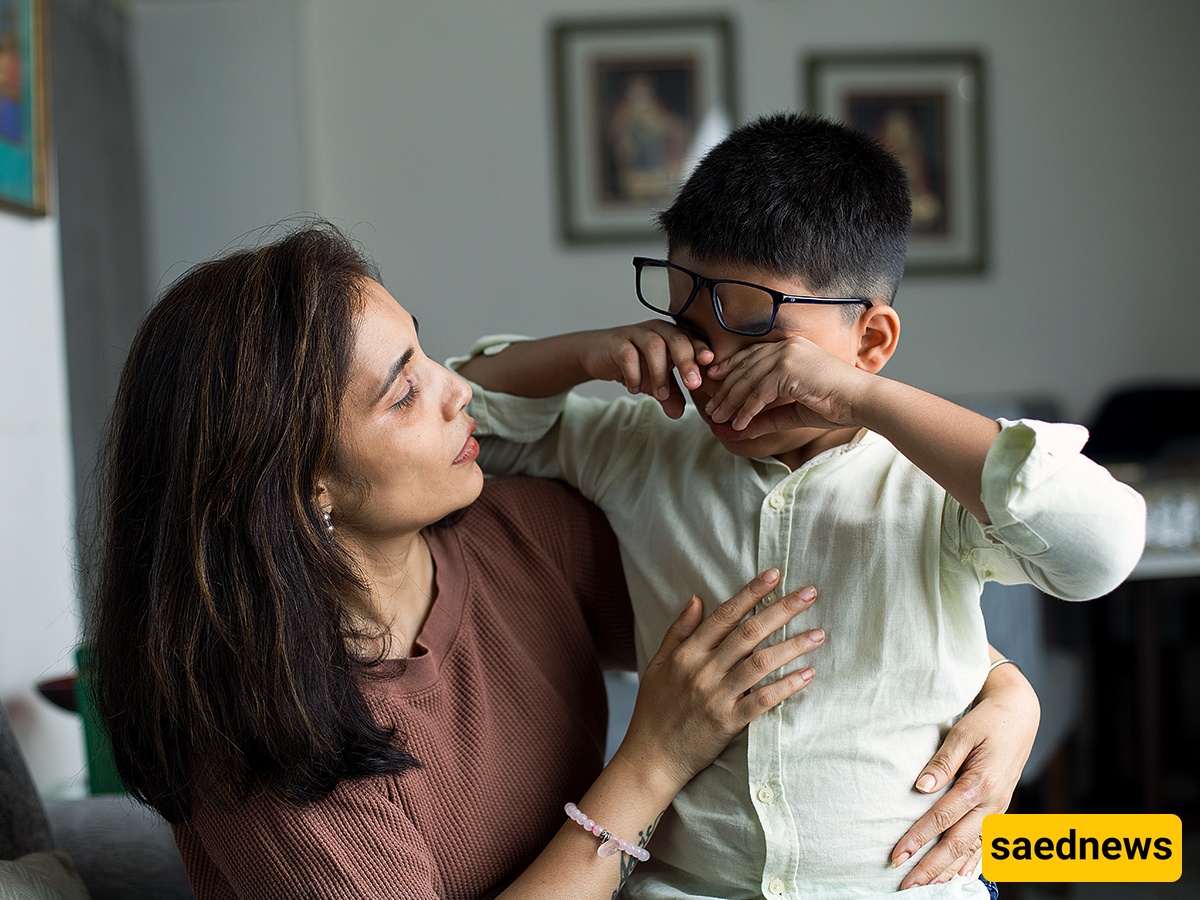
According to SAEDNEWS, prolonged crying can be difficult for parents to handle, especially when the cause is unclear or the child does not calm down quickly. A parent’s response does not need to stop the crying immediately to be helpful. Staying nearby, responding calmly, and acknowledging the child’s distress can communicate that difficult emotions are manageable and that support is available.
Young children depend heavily on caregivers to help them regulate intense emotions. They gradually develop their own emotional-regulation skills through repeated interactions with responsive adults. A calm parental response may therefore provide an opportunity for the child to experience comfort and emotional security.
Helpful responses can include:
Staying physically present when appropriate
Using a calm and reassuring voice
Acknowledging the child’s feelings without criticizing them
Offering simple comfort, such as a hug, when the child welcomes it
Reducing unnecessary stimulation
Giving the child time to settle before discussing what happened
These approaches do not mean that parents must agree with every behavior that occurs during a crying episode. Emotional support and reasonable boundaries can be provided at the same time.

Long periods of crying can also affect the parent. Frustration, helplessness, or exhaustion may make it harder to respond patiently. Taking a brief pause, when the child is in a safe situation and another trusted adult can take over if necessary, may help the parent regain composure.
A parent does not need to respond perfectly every time. If a stressful interaction occurs, reconnecting afterward through calm conversation, affection, and reassurance can help restore the relationship.
Certain responses can make an emotionally intense situation harder to manage. Parents should generally avoid:
Shouting or threatening the child
Mocking or humiliating the child for crying
Telling the child that feelings are unacceptable
Using physical punishment
Demanding that the child stop crying immediately
Setting limits may still be necessary, particularly when crying is accompanied by unsafe behavior. The goal is to separate the child’s emotional experience from behavior that needs a boundary.
The meaning of prolonged crying depends on the child’s age, circumstances, and other symptoms. Crying in infants, toddlers, and older children can have very different causes. If crying is unusually persistent, accompanied by signs of illness or pain, or represents a significant change from the child’s usual behavior, parents should consider seeking advice from a pediatric healthcare professional.
For everyday emotional episodes, a consistent combination of comfort, calmness, and appropriate boundaries can give children repeated opportunities to learn that strong emotions can be expressed safely and managed with support.