SAEDNEWS: Children may leave meals unfinished for many normal reasons, including appetite changes, distractions, or serving sizes. Calm mealtime routines and responsive feeding can help parents handle the habit without unnecessary pressure.

According to SAEDNEWS, a child who frequently leaves food unfinished does not necessarily have a problem with eating. Children's appetites can vary from one meal to another, and factors such as activity level, tiredness, mood, distractions, and the amount of food served can affect how much they eat. Instead of insisting that a child clean the plate, parents can focus on creating a calm and predictable mealtime environment.
Large portions can feel overwhelming to young children. A practical approach is to serve a small amount first and allow the child to ask for more if they are still hungry. This reduces unnecessary food waste and gives children an opportunity to respond to their own hunger and fullness cues.
Parents can also make meals easier to manage by:
Offering age-appropriate portions
Keeping regular meal and snack times
Limiting distractions such as television or mobile devices during meals
Allowing enough time to eat without making the meal excessively long
Including foods the child generally accepts alongside other foods
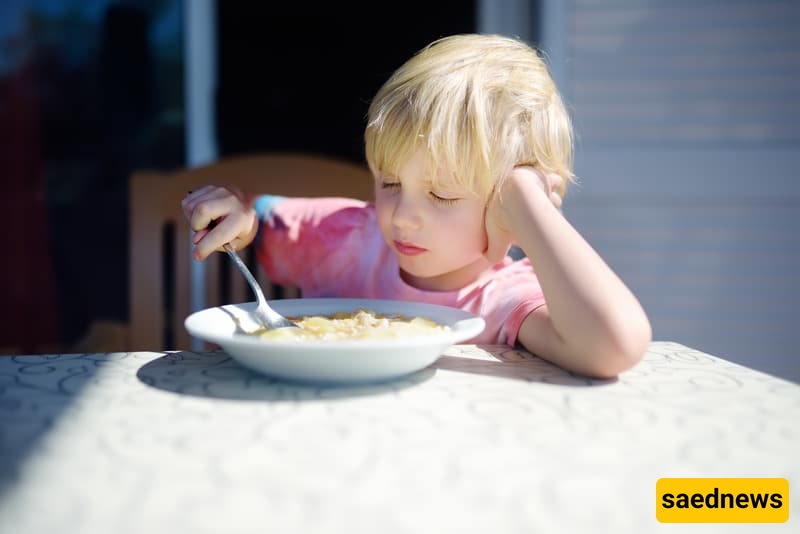
Repeatedly telling a child to take “just a few more bites” or insisting that the plate must be empty can turn mealtimes into a source of conflict. Responsive feeding approaches generally encourage adults to decide what foods are offered and when meals are served, while allowing children to decide how much they eat from the foods provided.
If the child says they are full, a calm response is usually more helpful than pressure. The parent can simply clear the plate and offer food again at the next planned meal or snack.
Eating habits are better understood over time rather than by judging a single unfinished meal. A child may eat very little at lunch and have a stronger appetite later. Growth, development, physical activity, and individual appetite all influence food intake.
However, parents should pay attention if unfinished meals occur alongside other concerns, such as:
Noticeable or persistent weight loss or poor growth
Frequent coughing, choking, gagging, or difficulty swallowing
Persistent abdominal pain, vomiting, or diarrhea
Extreme anxiety or distress around eating
A very restricted range of accepted foods
Ongoing concerns about whether the child is getting enough nutrition
These signs do not automatically indicate a particular condition, but they can be reasons to discuss the child's eating and growth with a pediatrician or another qualified healthcare professional.
A consistent routine can help children understand when food will be available. Regular meals and planned snacks also reduce the need for constant grazing throughout the day, which may affect appetite at the next meal.
The goal is not to make every plate empty. A healthier long-term focus is to help children develop a comfortable relationship with food, recognize their hunger and fullness signals, and experience meals without unnecessary pressure.