SAEDNEWS: Educational psychology connects psychological theories with educational practice, transforming learning from the simple transfer of information into a process that nurtures and unlocks human potential.

According to Saednews, In today’s complex and rapidly changing world, the education system is recognized as one of the main pillars of sustainable social development. However, a fundamental question remains: Why do many students, despite investing considerable time and energy, fail to achieve their desired level of learning or fully develop their talents?
The answer to this question can be found in one of the fundamental branches of the human sciences: educational psychology. This field serves as a bridge between psychological theories and educational practice. It teaches us that learning is not simply the transfer of information; rather, it is a complex, individual, and social process influenced by numerous factors, including motivation, cognition, emotion, and the learning environment.
Educational psychology can be regarded as a central component of education because, through the scientific study of human behavior in educational settings, it helps teachers and educators transform teaching from a standardized activity into a dynamic and purposeful practice.
This article examines educational psychology in depth, explores its different dimensions, and considers its practical applications in classrooms and learning environments. The aim is to understand how educational psychology can help address challenges within education systems and support the development of the abilities and talents of future generations.
Educational psychology can be defined as the scientific and systematic study of learning, development, and human behavior in educational environments. It applies findings from general, developmental, cognitive, social, and motivational psychology to education in order to answer fundamental questions:
How do students learn? What factors influence their learning? How can motivation to learn be developed? And how can an effective and supportive educational environment be created?
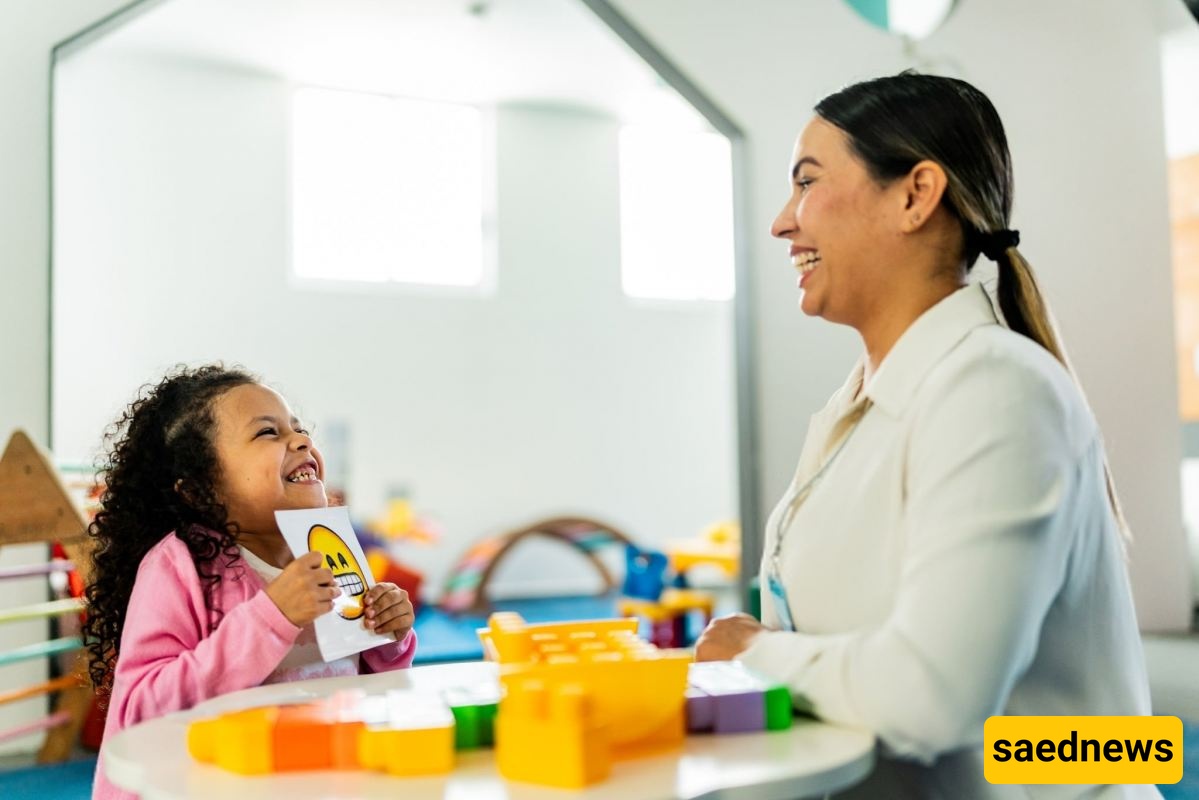
The history of this field dates back to the late nineteenth and early twentieth centuries. William James and John Dewey were among the early figures who emphasized the importance of observing children's behavior and considering their real-life experiences in the learning process.
With the emergence of behaviorists such as Edward Thorndike, the field became more scientific and experimental. Thorndike established important foundations for educational psychology through his laws of learning. However, a major turning point came during the 1920s and 1930s through the work of Jean Piaget, who studied cognitive development, and Lev Vygotsky, who emphasized the social dimension of learning.
Today, with advances in neuroscience and digital technology, educational psychology has developed a deeper understanding of how the brain functions during learning through cognitive-social and neuroscientific approaches.
Educational psychology is a multidimensional field that focuses on understanding the different characteristics of learners and the learning process itself.
One of the most important foundations of this field is understanding the cognitive, emotional, and social stages of students’ development. Piaget’s theory, which classifies cognitive development from the sensorimotor stage to abstract thinking, helps teachers understand which teaching methods and types of content are appropriate for different age groups.
For example, presenting abstract mathematical concepts to an elementary-school student who is still at the concrete operational stage may be ineffective unless those concepts are combined with concrete examples and educational materials.
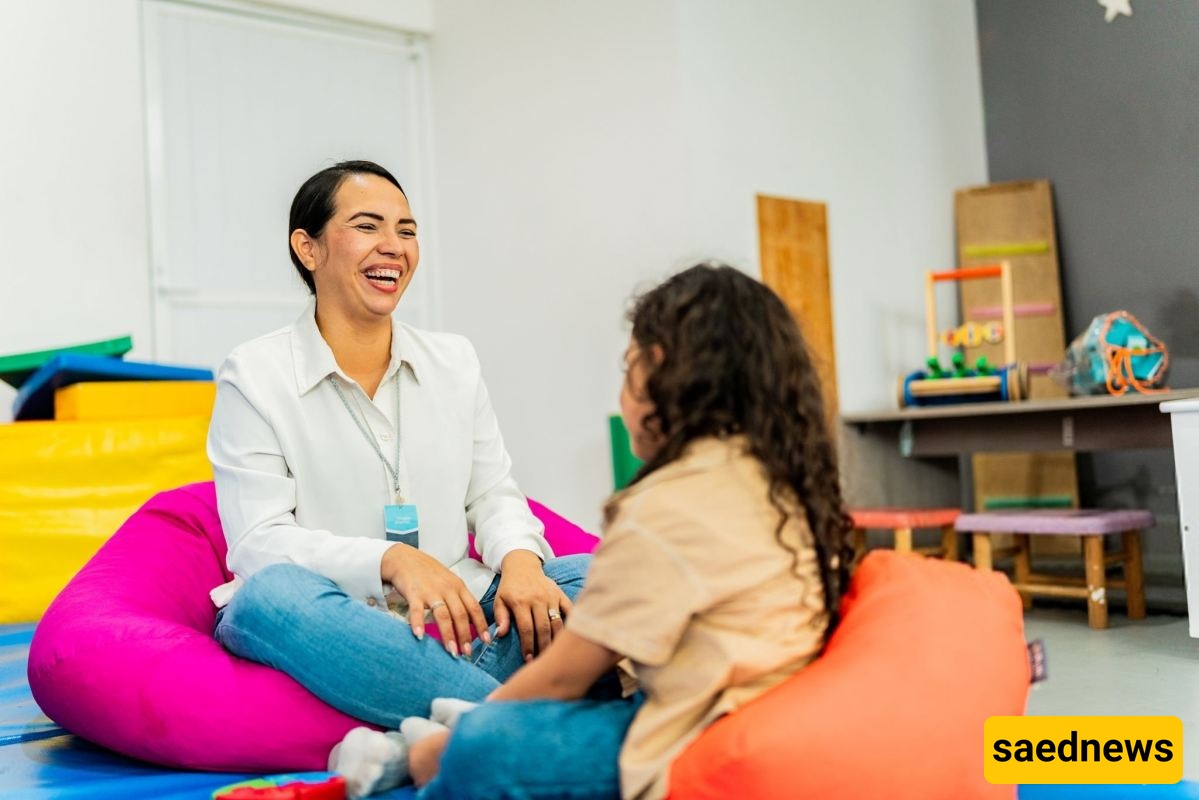
Motivation is often described as the fuel that drives learning. Educational psychology helps teachers understand how external motivation, such as grades and rewards, can gradually be complemented by intrinsic motivation, such as the satisfaction and enjoyment associated with learning.
Motivational theories such as Deci and Ryan’s Self-Determination Theory emphasize the development of three fundamental psychological needs: autonomy, competence, and relatedness.
In addition, learning emotional-regulation skills can help students manage stress and test anxiety and perform more effectively in challenging situations.
Every student has a unique internal world. Educational psychology recognizes that learners differ in their abilities, interests, prior knowledge, pace of learning, and ways of engaging with educational material.
This principle encourages teachers to use differentiated instruction, meaning that instructional content, learning processes, and expected outcomes can be adapted to the needs of different groups of learners.
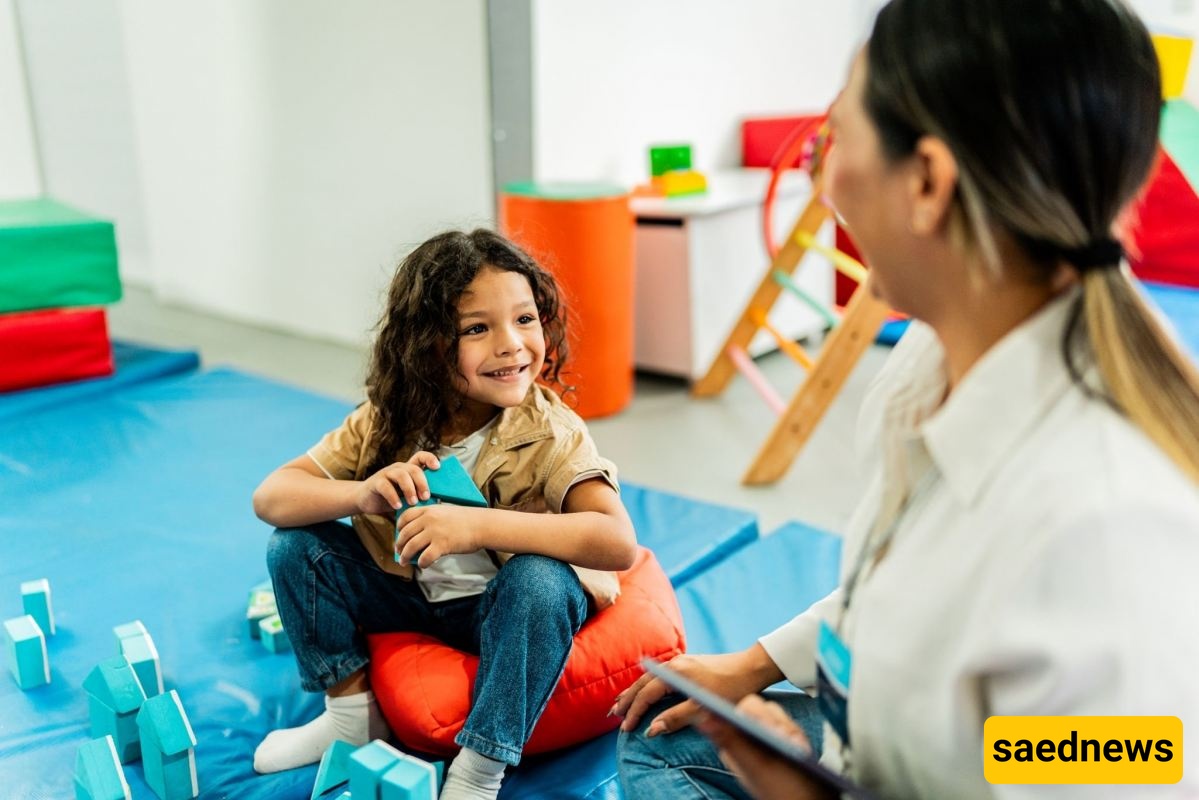
Translating psychological theories into practical educational strategies is an important characteristic of effective teaching. These applications can be organized into several key areas.
The physical and emotional environment of a classroom can directly influence students’ attention, engagement, and learning. According to educational psychology, factors such as seating arrangements, lighting, and classroom noise can affect concentration and interaction.
In particular, creating an emotionally safe environment, where students can make mistakes without fear of ridicule, is a central application of educational psychology. A classroom should be neither anxiety-provoking nor monotonous. Instead, it should encourage students to ask questions, explore ideas, and remain curious.

Educational psychology has challenged traditional teaching approaches that rely primarily on lectures. Today, approaches such as problem-based learning, collaborative learning through group projects, and the flipped classroom are widely used.
These methods transform students from passive listeners into active participants. Rather than serving only as a “transmitter of knowledge,” the teacher takes on the role of a guide and facilitator of the learning process.
This approach is consistent with Vygotsky’s theory of social constructivism, which emphasizes learning through interaction and dialogue within the zone of proximal development.
Classroom management has always been one of the major concerns of teachers. Educational psychology provides scientific and student-centered approaches to addressing this challenge. Positive reinforcement can be used as an alternative to harsh forms of punishment.
Based on principles of operant conditioning, educators can place greater emphasis on encouraging positive and constructive behavior rather than focusing exclusively on mistakes.
Educational psychology also recognizes that disruptive behavior may sometimes be associated with emotional difficulties, a lack of attention, or a need for recognition. Teachers can therefore address underlying difficulties through empathy, communication, and supportive relationships.
Despite scientific progress, education systems continue to face significant challenges, many of which can become more serious when psychological principles are overlooked. School disengagement or a lack of interest in education may occur not simply because of the academic content itself, but because students’ psychological and emotional needs are not adequately addressed.
Traditional assessment systems that place strong emphasis on grades can create considerable psychological pressure and may limit opportunities for developing critical thinking and creativity.
Meaningful transformation of education requires combining teachers’ subject-matter expertise with psychological knowledge and skills.
Teacher-training programs should therefore be reconsidered so that educators learn not only academic content but also skills related to emotional regulation, communication with adolescents, and the effective use of artificial intelligence and digital tools within the principles of educational psychology.
The classroom can be viewed as a living laboratory for educational psychology—a setting in which behavior can provide information and responses can offer evidence for improving teaching and learning practices.
Educational psychology does not end at the walls of the school. The family is the first informal learning environment and plays a fundamental role in shaping children’s motivation and attitudes toward learning.
Coordination between psychological principles applied at school and parenting practices at home can contribute significantly to educational development.
Parental involvement in the learning process does not necessarily mean pressuring children to achieve higher grades. Instead, it can involve creating opportunities at home for conversation, reading, exploration, and intellectually stimulating activities. Such practices can strengthen continuity between the home and school learning environments.
In the complex context of the third millennium, education systems can no longer develop effectively without drawing on scientific knowledge from educational psychology. This field is more than an academic discipline; it provides a deeper perspective on human development and the process of learning.
Educational psychology teaches us that academic success is more than a grade. The broader purpose of education is to develop mature, creative, optimistic, and resilient individuals who can transform what they learn into meaningful tools for navigating a changing world.
By applying the principles of educational psychology, education systems can move beyond simply transferring information toward creating environments that support the development of human potential. The future of every society depends, in part, on a generation that learns with motivation, develops through meaningful experiences, and approaches the future with confidence.
Achieving this requires the commitment of teachers, educational leaders, and policymakers who recognize educational psychology as an essential component of educational decision-making.
It is time to approach education not merely from an engineering perspective—one primarily concerned with producing a workforce—but from a psychological and human-centered perspective that focuses on developing independent, thoughtful, and capable individuals.