SAEDNEWS: Tomatoes, rich in lycopene and vitamin C, can help brighten the skin, reduce the appearance of wrinkles, and may serve as a natural remedy for pimples and acne.

According to Saednews, In this comprehensive article, we explore the potential benefits of tomatoes for facial skin. From their antioxidant and skin-brightening properties to their potential role in managing acne and reducing the appearance of blemishes, we cover the most important aspects of using tomatoes for skincare. We will also introduce different ways to use tomatoes, including face masks, toners, and dietary consumption, to support healthier-looking skin.
Lycopene is a powerful antioxidant responsible for the red color of tomatoes. By helping neutralize free radicals, it may help protect the skin from oxidative stress and signs of premature aging, including fine lines and wrinkles. Interestingly, lycopene in cooked tomatoes is generally more readily absorbed by the body than lycopene in raw tomatoes.
Tomatoes are a source of vitamin C, an important nutrient involved in collagen production. Collagen is a protein that helps give the skin strength and elasticity. As we age, collagen production naturally declines, and consuming nutrient-rich foods such as tomatoes can help support the body's normal collagen-producing processes.
Vitamin A and related compounds found in tomatoes support normal skin cell renewal and can contribute to a healthy, youthful-looking complexion. Vitamin A also plays a role in regulating sebum production, which may make tomatoes a useful part of a balanced diet for people with oily or acne-prone skin.
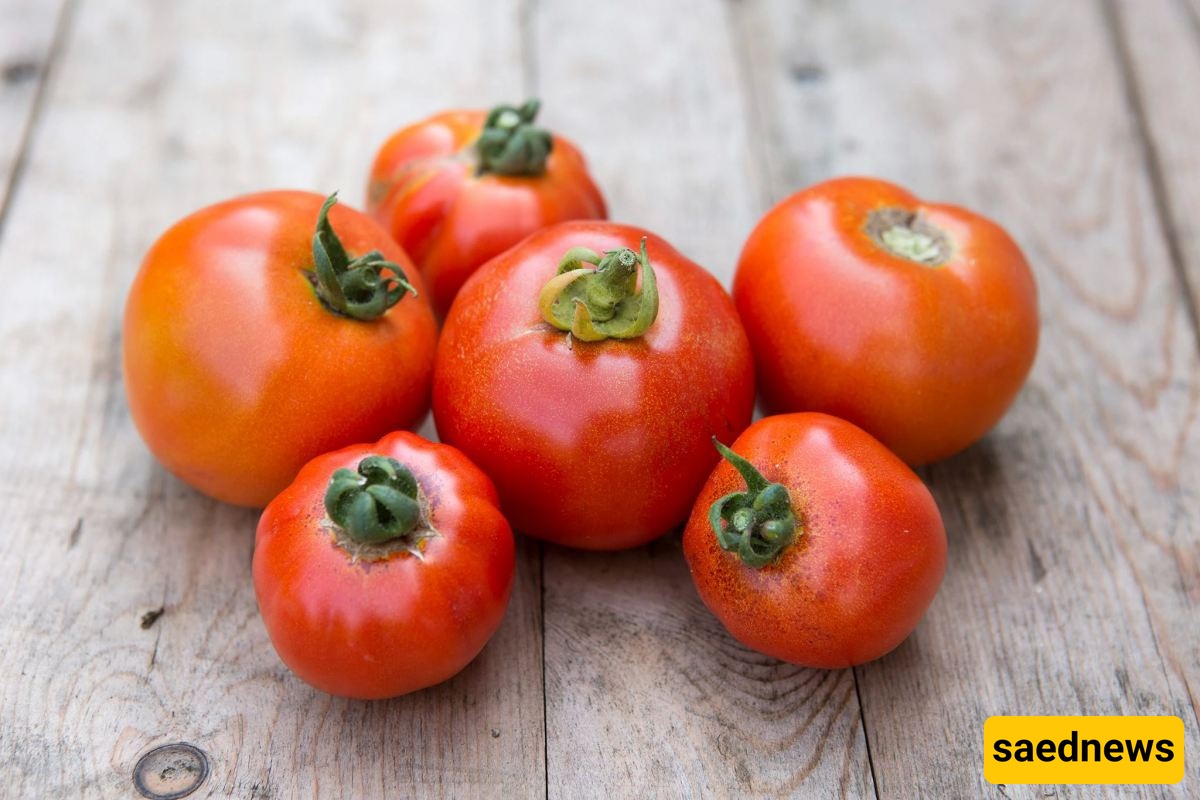
These minerals contribute to normal cellular function and fluid balance. Potassium, in particular, plays an important role in maintaining the body's fluid balance, which is essential for overall skin health.
Key Benefits of Tomatoes for Facial Skin
One of the commonly discussed benefits of tomatoes for facial skin is their potential to improve the appearance of dull skin. Their antioxidant content, including lycopene and vitamin C, may support a more even-looking and healthy complexion.
Mash one ripe tomato.
Add one teaspoon of fresh lemon juice.
Apply the mixture to the skin for approximately 15 minutes.
Rinse thoroughly with lukewarm water.
Because lemon juice can irritate the skin and increase sensitivity to sunlight, it is important to use caution and avoid applying lemon juice to irritated or sensitive skin.
Tomatoes contain antioxidants and naturally occurring acids that may help remove excess oil and support cleaner-looking skin. Their vitamin content may also contribute to overall skin health.
Important: If you have sensitive skin, dilute tomato juice with a small amount of water before applying it. Always perform a patch test first to reduce the risk of irritation.
Visible pores are particularly common in oily skin. Tomatoes have mild astringent properties, and tomato-based preparations may temporarily make the skin feel tighter and reduce the appearance of pores.
Tomato juice can also be used as a simple homemade toner, although it should be discontinued if it causes irritation.
Tomatoes cannot replace sunscreen. However, consuming tomatoes may provide antioxidant compounds that support the skin's natural defenses against oxidative stress caused by environmental factors, including UV exposure.
Lycopene has been studied for its potential role in protecting the skin from UV-related oxidative damage, but dietary tomatoes should never be considered a substitute for broad-spectrum sunscreen.
The antioxidants found in tomatoes can help combat oxidative stress, which is associated with skin aging. A diet containing antioxidant-rich foods may therefore support healthier-looking skin and help maintain its appearance over time.
The cooling sensation of fresh tomato pulp may feel soothing when applied to the skin. Tomatoes also contain vitamin C and lycopene, which provide antioxidant support.
However, for actual sunburn, gentle cooling, moisturization, and appropriate sunburn care are preferable to acidic homemade treatments that may further irritate damaged skin.
For people with oily skin, tomatoes can be used as part of a simple skincare routine. Their naturally occurring acids may provide mild exfoliation and help remove excess oil from the skin's surface.
A tomato and cucumber mask is another commonly used homemade option for refreshing oily skin.
Different Ways to Use Tomatoes for Facial Skin
One of the simplest methods is to cut a ripe tomato into slices and gently place them on the face. This may provide a refreshing sensation, but it is important to stop immediately if redness, burning, or irritation occurs.
Combining mashed tomato with plain yogurt creates a simple homemade mask that may be suitable for normal or dry skin. Yogurt can provide a moisturizing effect that may balance the astringent feeling of tomato.
Mash half a tomato.
Add one tablespoon of plain yogurt.
Apply the mixture to the skin for approximately 20 minutes.
Rinse thoroughly with lukewarm water.
Fresh tomato juice can be diluted with a small amount of distilled water and used as a homemade toner. It may provide a refreshing effect and temporarily make pores appear less noticeable.
If you prepare a homemade toner, store it in the refrigerator and use it promptly. Discard it if its smell, color, or texture changes.

For gentle physical exfoliation, some people mix mashed tomato with a small amount of sugar. However, coarse scrubs can irritate the skin and cause microscopic damage, particularly when used aggressively. A gentle chemical exfoliant formulated specifically for facial skin is generally a safer option.
This homemade mask combines mashed tomato with chickpea flour. The flour can absorb some surface oil, while the tomato provides antioxidants and naturally occurring acids.
Important Tips Before Applying Tomato to Your Skin
Perform a patch test: Before applying tomato to your entire face, test a small amount on a limited area of skin, such as behind the ear or on the inner arm.
Use ripe tomatoes: Unripe tomatoes may be more irritating to some people.
Wash your face thoroughly: After using a tomato-based mask, rinse your skin thoroughly to remove all residue.
Be careful with sun exposure: Tomato and especially lemon-based mixtures can potentially irritate the skin. Avoid applying irritating acidic mixtures before sun exposure and always use sunscreen during the day.
Do not rely on homemade treatments for medical skin conditions: Persistent acne, severe irritation, or significant pigmentation should be evaluated by a dermatologist.
How Eating Tomatoes May Support Skin Health
Topical use is not the only way tomatoes can contribute to overall skin health. Eating tomatoes regularly can provide nutrients and antioxidants that support normal skin function.
Cooked tomato products, such as tomato paste, tomato sauce, and tomato soup, can provide highly bioavailable lycopene. Consuming tomatoes as part of a balanced diet may help:
Support normal collagen production through their vitamin C content
Provide antioxidants that help protect cells from oxidative stress
Support the body's normal inflammatory response
Contribute to overall skin health and repair processes
Tomatoes are rich in antioxidants and nutrients such as lycopene and vitamin C, making them a valuable addition to a balanced diet for healthy-looking skin. While homemade tomato masks and toners may provide a refreshing skincare experience, their effects should not be overstated. For lasting skin health, a balanced diet, gentle skincare routine, adequate hydration, and daily sun protection remain much more important.