SAEDNEWS: Keeping old belongings can be connected to memories, emotional attachment, perceived usefulness, and the feeling of security that familiar objects provide.

According to SAEDNEWS, holding on to old belongings is not always about being unwilling to declutter. Objects can carry personal memories, represent important periods of life, or remind people of relationships and experiences. For some individuals, an ordinary item such as an old notebook, piece of clothing, photograph, or household object can have emotional meaning that goes far beyond its practical value.
One of the strongest reasons people keep old things is sentimental attachment. An object may remind someone of a family member, a childhood experience, an achievement, or an important stage of life. Getting rid of it can therefore feel less like removing an object and more like letting go of part of a personal history.
This emotional connection can also explain why people often remember the story behind an object more clearly than its actual usefulness. The physical item becomes a tangible reminder of something that cannot be replaced.
Old belongings can also provide a sense of familiarity. People often develop routines around objects they have used for years, and familiar possessions can feel comforting because they are predictable and personally meaningful.
There may also be a practical reason for keeping things. Someone may believe an item could become useful later, especially if it is still functional or difficult to replace. In such cases, keeping it is not necessarily irrational; the decision depends on how likely the item is to be used and whether storing it creates a problem.
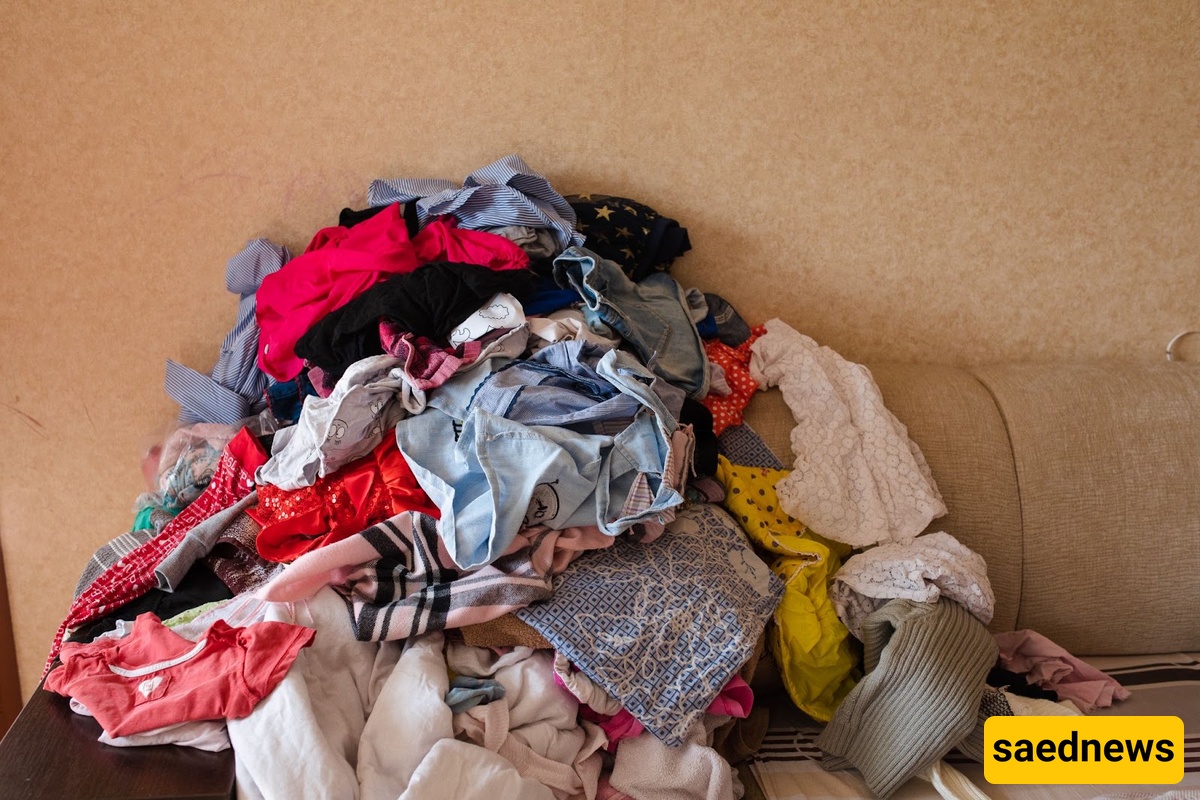
Keeping a few meaningful possessions is a normal part of everyday life. However, excessive difficulty discarding belongings can become problematic when it causes significant clutter, interferes with normal activities, or creates distress. Persistent difficulty letting go of possessions can occur in hoarding disorder, a recognized mental health condition, but simply having a lot of old belongings does not mean someone has the disorder.
A useful way to evaluate an old item is to ask:
Do I actually use it?
Does it have genuine sentimental value?
Would I replace it if I no longer had it?
Is keeping it taking up useful space?
Am I keeping it because I value it or simply because throwing it away feels uncomfortable?
These questions can help distinguish between keeping something for a meaningful reason and keeping it purely out of habit or emotional difficulty.
Ultimately, old belongings can represent much more than their physical function. For many people, they are reminders of people, experiences, and personal history. The goal of decluttering does not have to be getting rid of everything old; it can instead be creating a living space where useful and meaningful possessions have a place without allowing unnecessary clutter to take over.