SAEDNEWS: Opening packages can be an appealing way for children to satisfy curiosity, practice new skills, and discover how objects work.
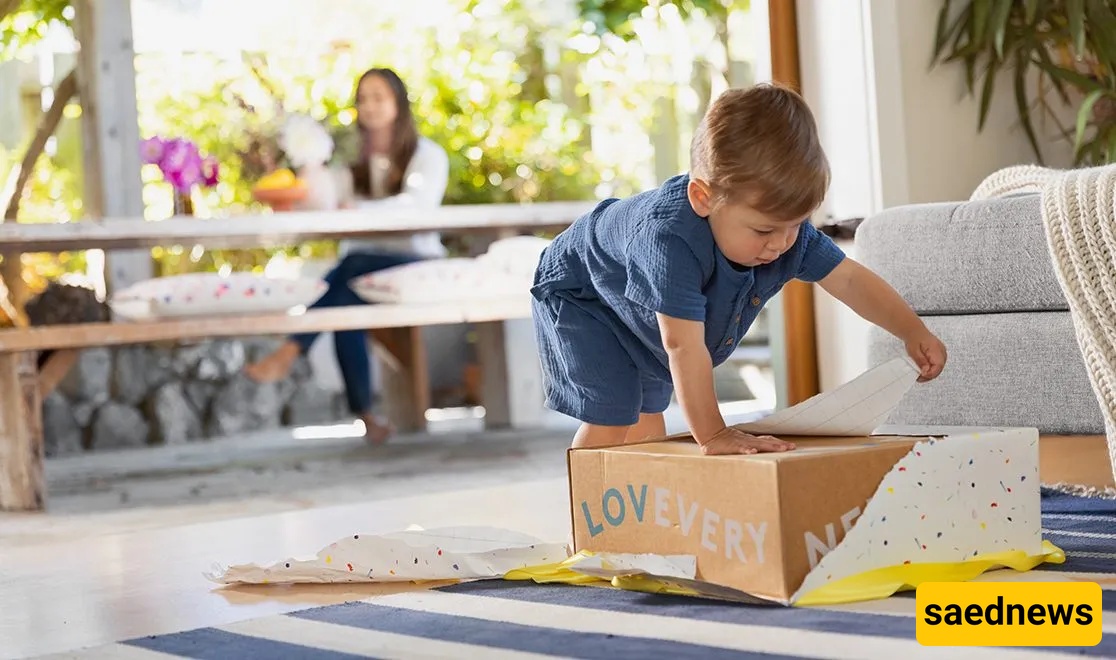
According to SAEDNEWS, a child’s excitement about opening packages is often less about the package itself and more about the discovery involved. A sealed box, wrapped toy, or small parcel creates a simple mystery: the child knows something is inside but does not yet know exactly what it is. This gap between expectation and discovery can naturally attract attention, especially in young children who are actively learning about their surroundings.
Children learn through hands-on exploration. Opening a package gives them an immediate opportunity to investigate cause and effect: pulling a tab changes the wrapping, removing tape reveals another layer, and opening a box exposes a hidden object.
The activity can also provide several sensory experiences at once. Children may notice the texture of paper or cardboard, the sound of tearing or folding, and the changing appearance of the object as each layer is removed.
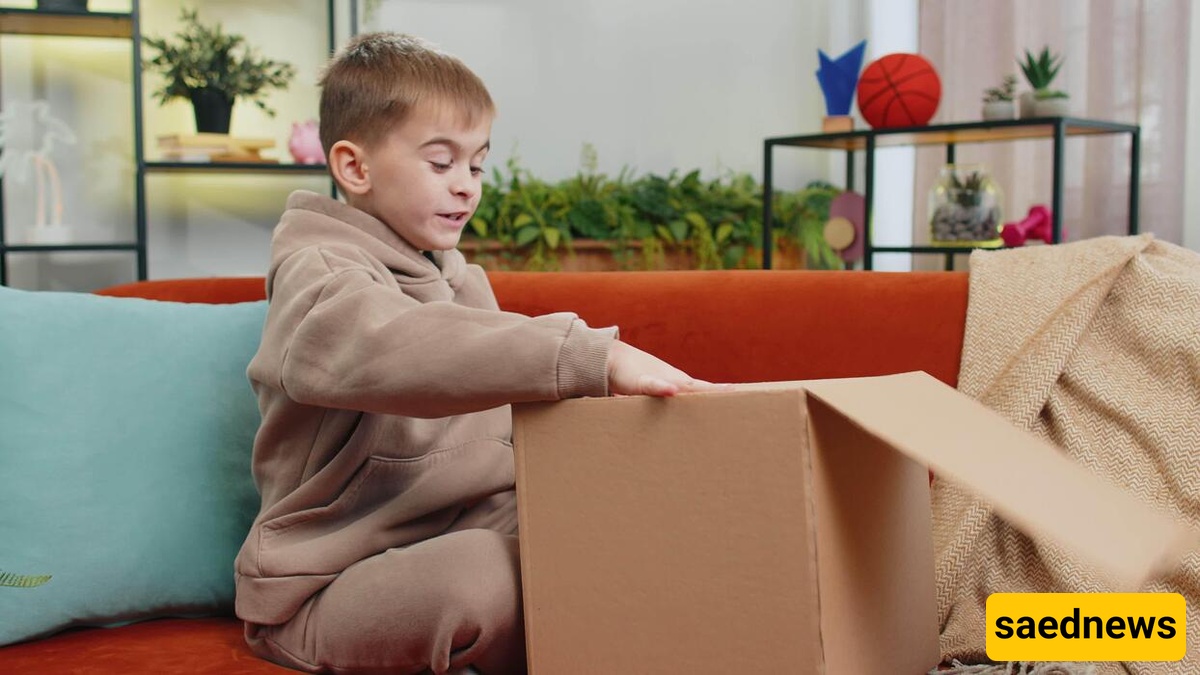
For many children, opening packaging can also involve useful developmental skills, such as:
Fine motor control: Pulling, peeling, lifting, and grasping require coordinated hand and finger movements.
Problem-solving: Some packages require children to figure out where to pull, open, or unfold.
Attention and persistence: A child may need to continue working through several steps before reaching the object inside.
Understanding sequences: Opening something often follows a simple order, helping children connect actions with outcomes.
Independence: When appropriate and safe, allowing children to open simple packages themselves can give them a sense of participation and control.
A known toy sitting in plain sight offers immediate access, while a wrapped object temporarily hides the outcome. That small element of uncertainty can make the activity more engaging. Children may form predictions about what they will find and then compare those expectations with what actually appears.
This does not mean that every child who enjoys opening packages has a particular psychological trait. Children's interests differ, and their enthusiasm can depend on age, temperament, previous experiences, and the type of package or object involved.
Parents can turn this natural interest into a safe learning activity by giving children suitable packages to open under supervision. Empty cardboard boxes, paper wrapping, or child-friendly containers can provide opportunities to practice opening, sorting, folding, and discovering without making the activity dependent on receiving new things.
The key is to choose materials that are appropriate for the child's age and avoid sharp edges, small detachable parts, plastic wrapping, or other packaging materials that could create a safety risk.