SAEDNEWS: In today’s fast-paced world, a yogurt and banana face mask is considered a natural, affordable, and effective option for deeply hydrating, brightening, and rejuvenating the skin, offering a healthier alternative to chemical-based skincare products.
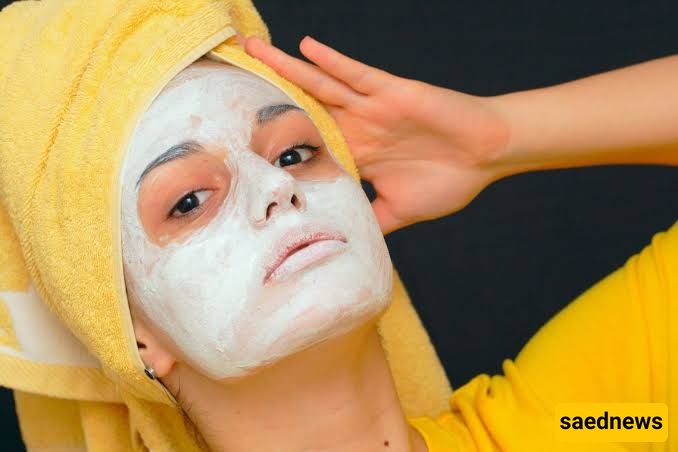
According to Saednews, To better understand the effects of a yogurt and banana face mask, it is helpful to first look at the properties of these two natural ingredients.
Yogurt, which is produced by fermenting milk, is rich in probiotics, protein, calcium, B vitamins—particularly vitamins B2 and B12—and lactic acid. The lactic acid in yogurt is considered a natural alpha hydroxy acid (AHA) that provides gentle exfoliation by helping remove dead skin cells from the surface of the skin.
As a result, skin may appear smoother, brighter, and more radiant after using a yogurt face mask. The probiotics in yogurt may also support the skin barrier and help maintain a healthy balance of microorganisms on the skin.
Bananas, meanwhile, are nutrient-rich fruits containing vitamin A, vitamin C, vitamin E, potassium, magnesium, and antioxidants. Vitamin C plays an important role in collagen production, which helps maintain skin elasticity and may reduce the appearance of fine lines. Potassium and magnesium also contribute to maintaining skin hydration, while antioxidants help protect skin from oxidative stress associated with premature aging.
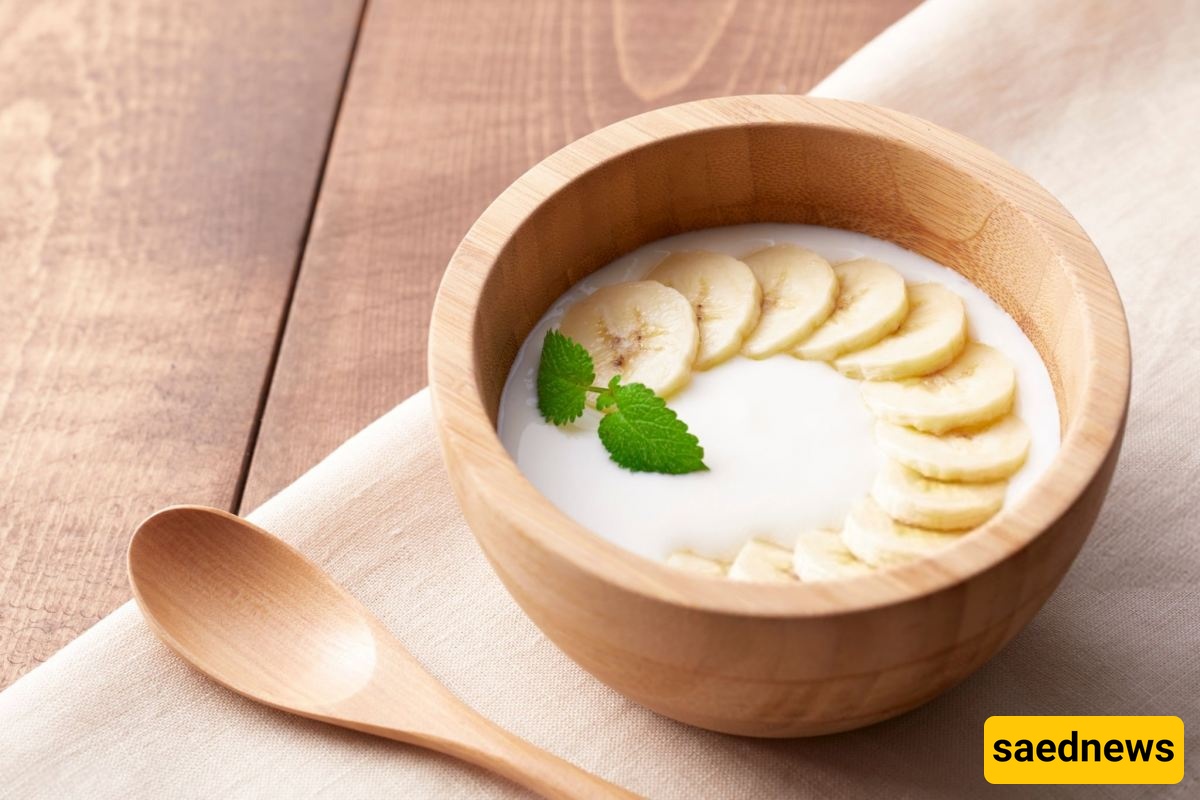
Combining these two ingredients creates a simple, multifunctional facial mask that can provide several skincare benefits.
One of the most notable benefits of a yogurt and banana mask is its moisturizing effect. Bananas have a creamy texture and contain water and potassium, which can help the skin feel softer and more hydrated. Yogurt can also help leave a thin, moisturizing layer on the skin.
This combination may be especially appealing to people who experience dry, tight-feeling skin, particularly during colder months.
The lactic acid naturally found in yogurt provides mild exfoliation, helping remove dead and dull surface cells and revealing fresher-looking skin underneath.
The antioxidants found in bananas may also help protect the skin from oxidative stress. With regular use, the mask may help the complexion look smoother, more even, and more radiant.
The nutrients in yogurt and banana can complement a skincare routine focused on maintaining skin elasticity. Vitamin C is involved in collagen production, while the antioxidants in both ingredients help protect skin from environmental oxidative stress.
Using the mask regularly may leave the skin feeling softer and smoother and can temporarily improve the appearance of fine lines caused by dryness.
Yogurt contains naturally occurring lactic acid, which provides gentle exfoliation and may help keep the surface of the skin clear. Its fermented nature also makes yogurt a source of beneficial microorganisms.
Bananas contain compounds with soothing properties that may help reduce the appearance of temporary redness and irritation. However, a homemade yogurt and banana mask should be considered a skincare supplement rather than a medical treatment for acne.
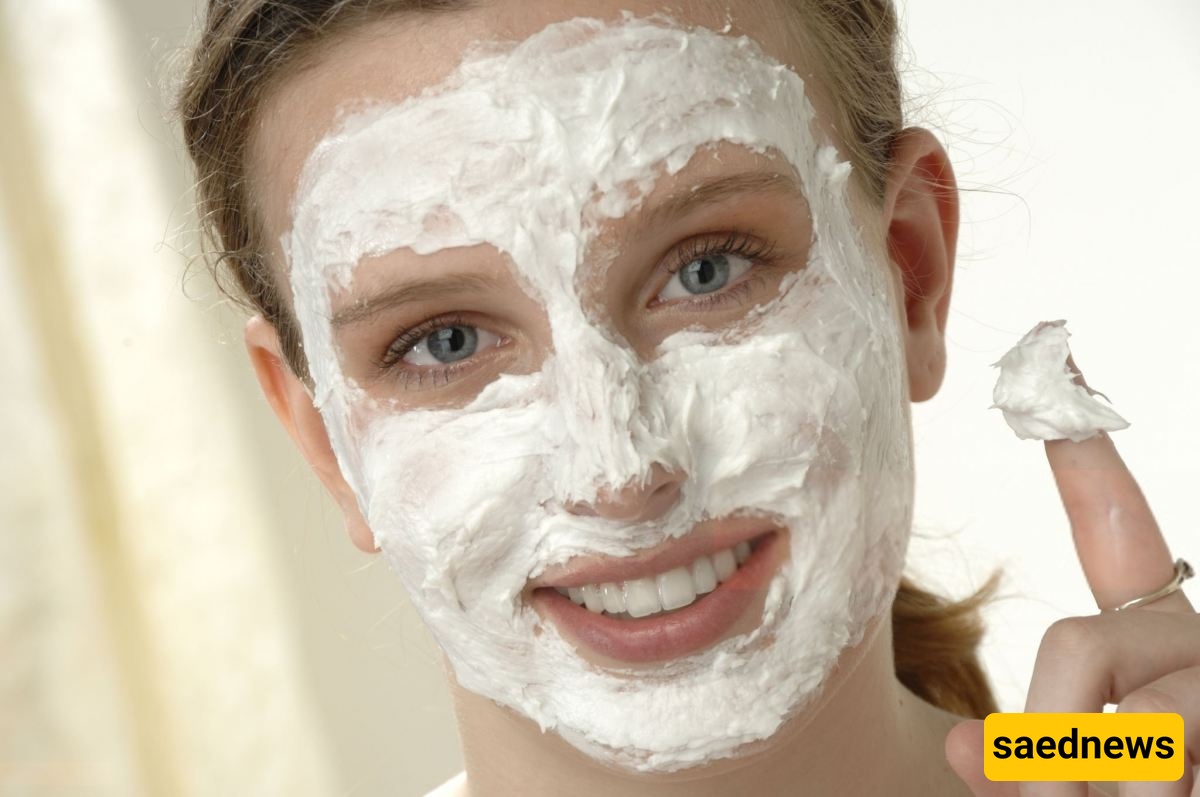
The creamy texture of yogurt and banana can provide a cooling and soothing sensation. For skin that feels dry or mildly irritated because of environmental conditions, the mask may help improve comfort and leave the skin feeling softer.
However, it should not be applied to severely irritated, damaged, or sunburned skin.
This mask requires only a few simple ingredients.
1 ripe banana, preferably soft and naturally sweet
2 tablespoons of fresh plain yogurt, preferably unsweetened
A clean bowl and spoon
Mash the banana thoroughly with a fork until you have a smooth paste without large pieces. Add the yogurt and mix well until the ingredients form a smooth, creamy mixture.
If the mask is too thin, you can add a small amount of finely ground oatmeal to improve its consistency.
For the best results, prepare the mask immediately before use rather than storing it for later.
The basic yogurt and banana mask can be customized with other ingredients depending on your skincare preferences.
Honey can provide additional moisturizing benefits and has naturally occurring antimicrobial properties. Adding about one teaspoon of honey can make the mask particularly suitable for skin that feels dry.
Turmeric is known for its antioxidant and soothing properties. Adding a very small amount of turmeric powder can create a more nutrient-rich mask.
Keep in mind that turmeric may temporarily leave a yellow tint on the skin, although this usually disappears after thorough cleansing.
For very dry skin, adding a couple of drops of olive oil or coconut oil can make the mask richer and more moisturizing. These oils contain fatty acids that can help support the skin's natural lipid barrier.
Wash your face with a gentle cleanser and pat it dry. Apply the mask to clean skin free of makeup and other products.
If you have sensitive skin or are unsure whether you may react to one of the ingredients, test a small amount on a limited area of skin first. Wait about 24 hours and check for redness, itching, or irritation before applying it to your face.
Using clean fingertips or a clean facial brush, spread an even layer over your face. Avoid the eye and lip areas.
Leave the mask on for approximately 15–20 minutes. Do not allow it to remain on the skin for an extended period, especially if it becomes completely dry and uncomfortable.
Gently rinse your face with lukewarm water. Avoid aggressive rubbing, especially if your skin is sensitive. Pat your face dry with a clean, soft towel and follow with a suitable moisturizer.
For most people, using a homemade yogurt and banana mask once or twice a week is more than enough. More frequent use may increase the risk of irritation, particularly because yogurt contains lactic acid.
This mask can be a simple option for dry skin because both ingredients provide a soft, moisturizing feel and can help the skin feel more comfortable.
If you have oily skin, use a smaller amount of banana and choose plain, unsweetened yogurt. Avoid adding heavy oils if your skin tends to become greasy or congested.
The mask can be used on combination skin, particularly when the goal is to provide gentle hydration without using a heavy skincare product.
People with sensitive skin should be more cautious. Although the ingredients are relatively simple, yogurt's lactic acid and other natural components can cause irritation in some individuals. A patch test is recommended before facial application.
Although a yogurt and banana mask is easy to make, a few precautions are important:
Use fresh banana and fresh yogurt that is still within its expiration date.
Do not leave the mask on for more than about 20 minutes.
Stop using it immediately if you experience significant burning, itching, or irritation.
Avoid applying it to broken, infected, or severely inflamed skin.
Do not use it as a replacement for professional treatment of persistent skin conditions.
If you have a significant skin condition such as eczema, psoriasis, or an active infection, consult a dermatologist before trying homemade facial treatments.
A homemade yogurt and banana mask is inexpensive, easy to prepare, and made from familiar household ingredients. It can also be useful as a simple addition to a basic skincare routine.
However, natural does not automatically mean better or safer. Commercial skincare products are often formulated and tested for specific purposes, stability, preservation, and skin compatibility. A homemade mask should therefore be viewed as an occasional skincare treatment rather than a direct replacement for scientifically formulated products.
A yogurt and banana face mask is a simple homemade treatment that can help the skin feel softer, smoother, and more hydrated. Yogurt provides lactic acid and other nutrients, while banana contributes vitamins, minerals, and antioxidants.
For best results, use fresh ingredients, apply the mask for around 15–20 minutes, rinse gently, and follow with moisturizer. If your skin is sensitive or prone to irritation, always perform a patch test first.