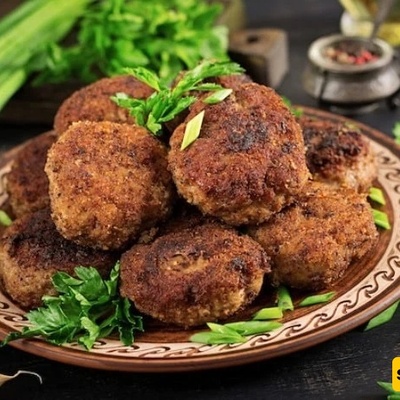
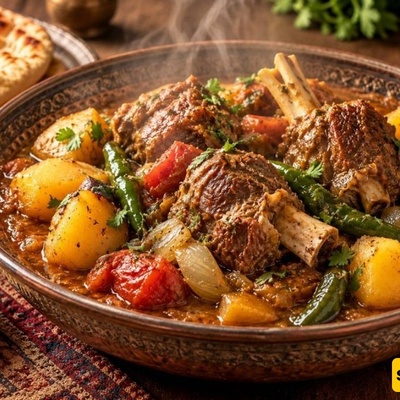
SAEDNEWS: The size of a plate can influence how much food people serve themselves and eventually eat. Larger plates may make portions appear smaller, while smaller plates can make the same amount of food look more filling. Understanding this visual effect can help people make more mindful choices about portion sizes.

According to SAEDNEWS, the size of a plate can affect eating habits through a simple visual effect. When food is placed on a large plate, the portion may look smaller because there is more empty space around it. As a result, people may serve more food to make the plate appear sufficiently full. A smaller plate can create the opposite impression, making a similar portion look more substantial.
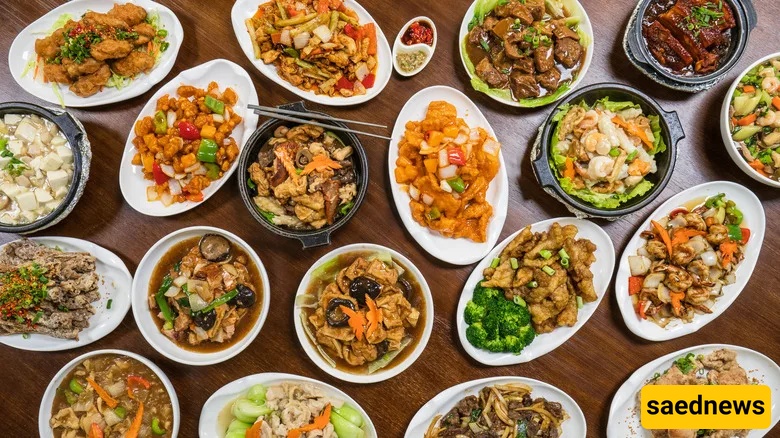
People often judge portion size partly by comparing food with the surrounding plate. A serving that looks generous on a smaller plate may seem modest on a larger one. Because these judgments can happen quickly, plate size may influence how much food is selected before a person consciously considers the actual quantity.
The influence of plate size can begin at the moment food is served. Using a larger dish may encourage a person to add extra food, particularly when trying to fill the available space. With a smaller dish, the same amount can appear more abundant, which may make a moderate serving feel more satisfying visually.
Visual cues play an important role in eating behavior. The appearance of a meal can affect expectations about fullness and satisfaction. Plate size is only one factor among many, however. Hunger, food preferences, eating speed, meal composition, and individual habits can also influence how much someone eventually eats.
Choosing an appropriately sized plate can make portion control easier without requiring complicated measurements. Serving a balanced amount of food on a moderately sized plate may help create a satisfying appearance while reducing the temptation to add unnecessary portions.
Plate size should not be viewed as a strict rule for controlling food intake. Rather, it can be a simple environmental cue that supports mindful eating. Paying attention to hunger and fullness while choosing reasonable portions can be more useful than relying on plate size alone.