SAEDNEWS: Food near the refrigerator’s back wall can become too cold due to direct exposure to cold air and uneven airflow, sometimes causing unwanted freezing.
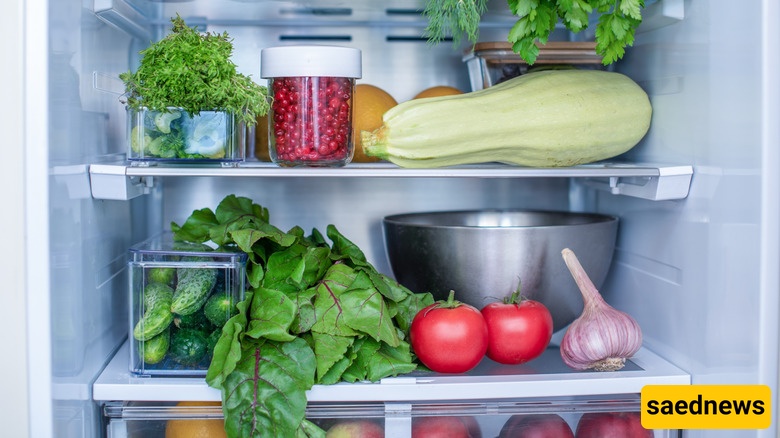
According to SAEDNEWS, the back wall of many refrigerators is closely connected to the cooling system. When the refrigerator removes heat from the interior, the surfaces near the cooling area can become especially cold. Food touching or sitting very close to this wall may therefore receive more direct exposure to cold air and lose heat faster.
Air needs enough space to move throughout the refrigerator. When containers are placed tightly against the back wall or packed closely together, airflow patterns can change. Some areas may receive a stronger stream of cold air, causing nearby foods to become significantly colder than items positioned farther away.
Cold surfaces can collect moisture from the refrigerator's interior. Depending on the temperature and the refrigerator's cooling cycle, that moisture may freeze temporarily. Food pressed against such a surface can become partly frozen, particularly when it contains a high amount of water.
A refrigerator set to a very low temperature can make the coldest areas even colder. Frequent door opening, warm food placement, and changes in the cooling cycle may also affect temperature distribution. Checking the refrigerator's temperature and avoiding unnecessary extreme settings can help maintain more stable conditions.
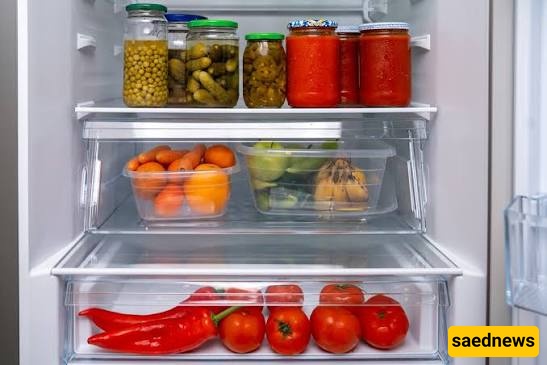
Keeping a small gap between food containers and the back wall can improve air circulation and reduce direct contact with the coldest surface. Storing sensitive foods slightly farther from the rear wall and avoiding excessive packing can also help. Regularly checking for unusual ice buildup may provide an early indication that airflow or temperature distribution needs attention.