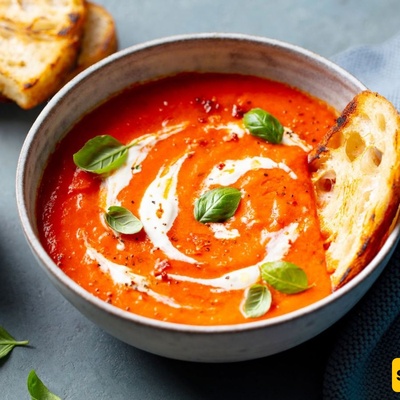
SAEDNEWS: Some foods deteriorate faster in the refrigerator because temperature, moisture, airflow, storage containers, and natural ripening processes affect their freshness. Understanding these factors can help households store food more effectively and reduce unnecessary waste.

According to SAEDNEWS, refrigeration slows the growth of many microorganisms, but it does not stop food from changing. Some foods are naturally more sensitive to cold temperatures, while others lose moisture quickly or become soft because of prolonged exposure to refrigerated conditions. The structure and water content of each food influence how quickly its quality declines.
Foods containing a lot of moisture can deteriorate quickly when stored incorrectly. Excess water inside a container may create a damp environment that encourages unwanted microbial growth. Using clean, dry containers and avoiding unnecessary exposure to moisture can help preserve freshness for longer.
Cold air does not circulate equally throughout every part of a refrigerator. Crowding shelves can restrict airflow and create warmer areas. Foods that require more careful storage should be kept in appropriate containers and placed where the temperature remains relatively stable. Keeping the refrigerator organized also makes it easier to notice foods that need to be used soon.
Whole fruits and vegetables generally remain protected by their natural outer layers. Once they are cut, their exposed surfaces come into contact with air and moisture, which can accelerate quality loss. Cut foods should therefore be placed in clean, covered containers and used within a reasonable period.
Knowing why certain foods spoil faster can make everyday food storage more effective. Keeping the refrigerator at a suitable temperature, avoiding overcrowding, using sealed containers, and checking stored foods regularly can help maintain quality. Simple storage habits can extend freshness and reduce the amount of food that needs to be discarded.