SAEDNEWS: Water droplets can gather on plant leaves for several natural reasons, including transpiration, high humidity, overwatering, and temperature changes. Understanding why droplets appear can help gardeners recognize normal plant behavior and identify conditions that may need adjustment.
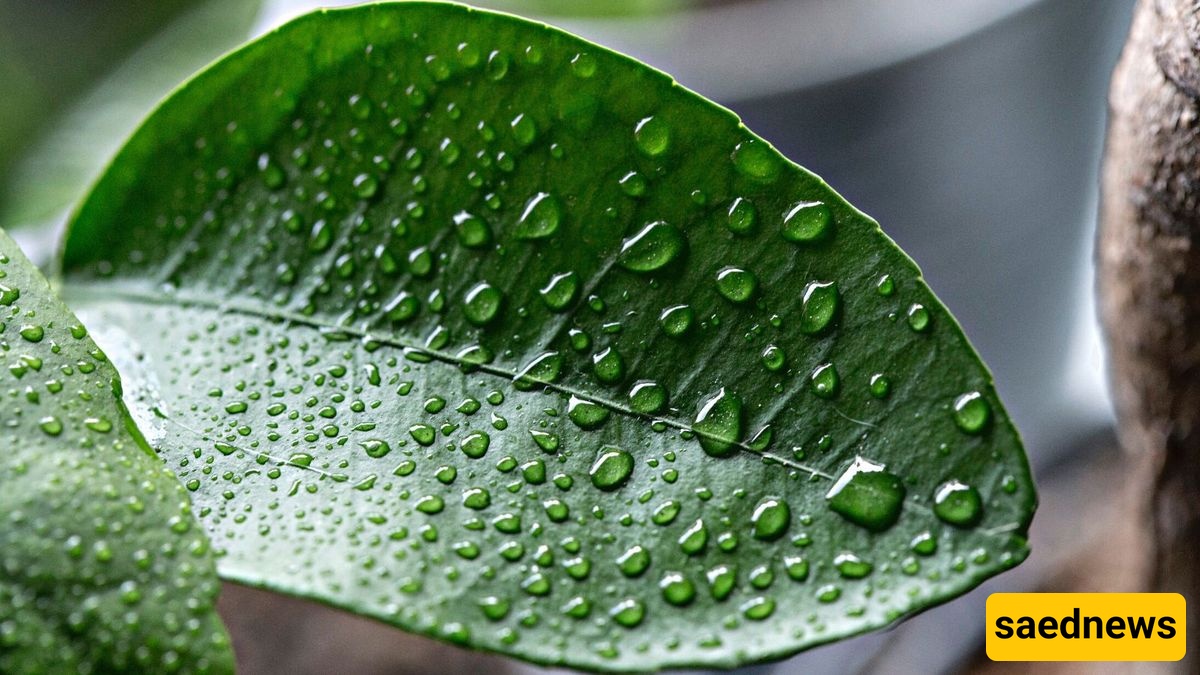
According to SAEDNEWS, one common reason for water droplets on leaves is guttation. When the soil contains plenty of moisture and the plant absorbs more water than it can release through normal transpiration, small droplets may emerge from special structures along the edges or tips of leaves. Guttation is especially common during the night or early morning.
High humidity reduces the amount of water that evaporates from leaf surfaces. When the surrounding air is already moist, water may remain on the leaves for longer periods. In indoor environments, poor air circulation can make visible droplets more noticeable, particularly after watering.
Temperature differences between day and night can also contribute to water collecting on leaves. Cooler nighttime temperatures slow evaporation, allowing moisture to remain visible. Plants placed near cold windows or in areas with changing temperatures may therefore show droplets more frequently.
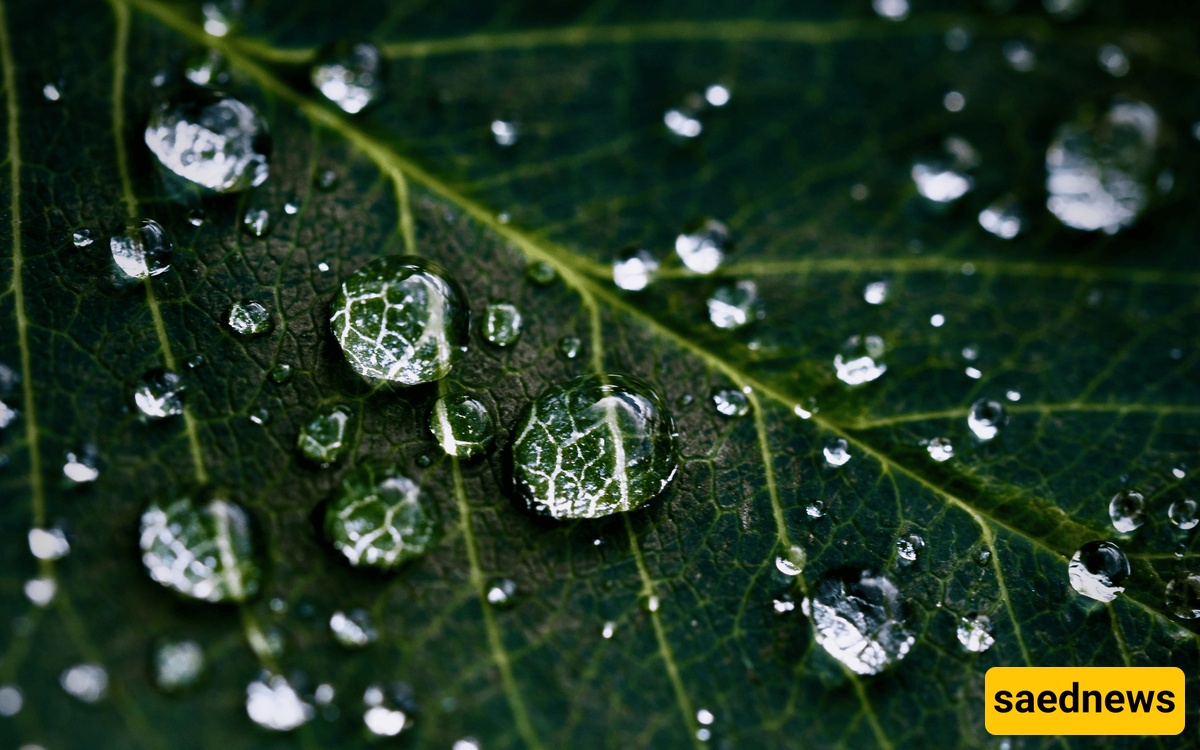
Frequent or excessive watering can create conditions in which plants absorb more water than they immediately need. Although droplets do not automatically mean a plant has been overwatered, consistently wet soil combined with frequent leaf moisture may indicate that the watering routine should be reviewed.
Occasional droplets are usually a normal part of plant water regulation. However, if leaves remain wet for long periods, develop spots, turn yellow, or show signs of decay, the plant may be experiencing excessive moisture or insufficient airflow. Checking soil moisture, improving ventilation, and adjusting watering frequency can help maintain healthier growing conditions.