SAEDNEWS: A children’s night light is more than just a source of illumination; it can provide a sense of security, create a calming atmosphere, and support healthy sleep routines. In this article, discover the essential features to look for and practical tips for choosing the right night light for your child.
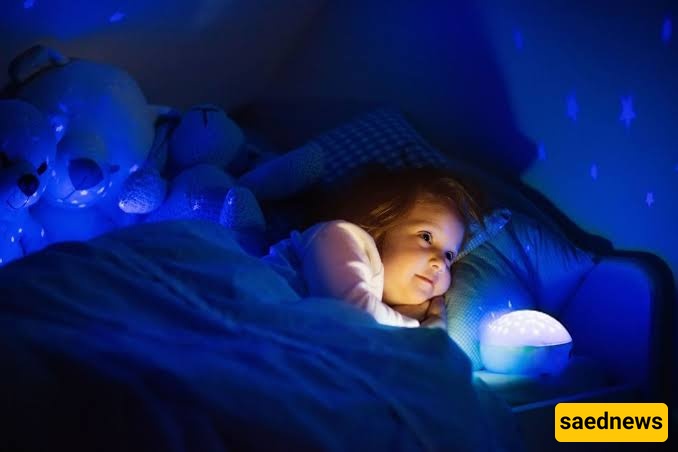
according to Saednews, Sleep is one of the most important foundations of children’s physical and mental development. However, many parents face the challenge of children resisting bedtime. Complete darkness can be frightening for some children and may make them anxious, while excessive light can interfere with the body’s natural sleep cycle.
This is where a children’s night light can be a practical solution.
A night light can give a child a sense of security while creating a calm environment that supports a healthy sleep routine. However, choosing the right night light is not always simple.
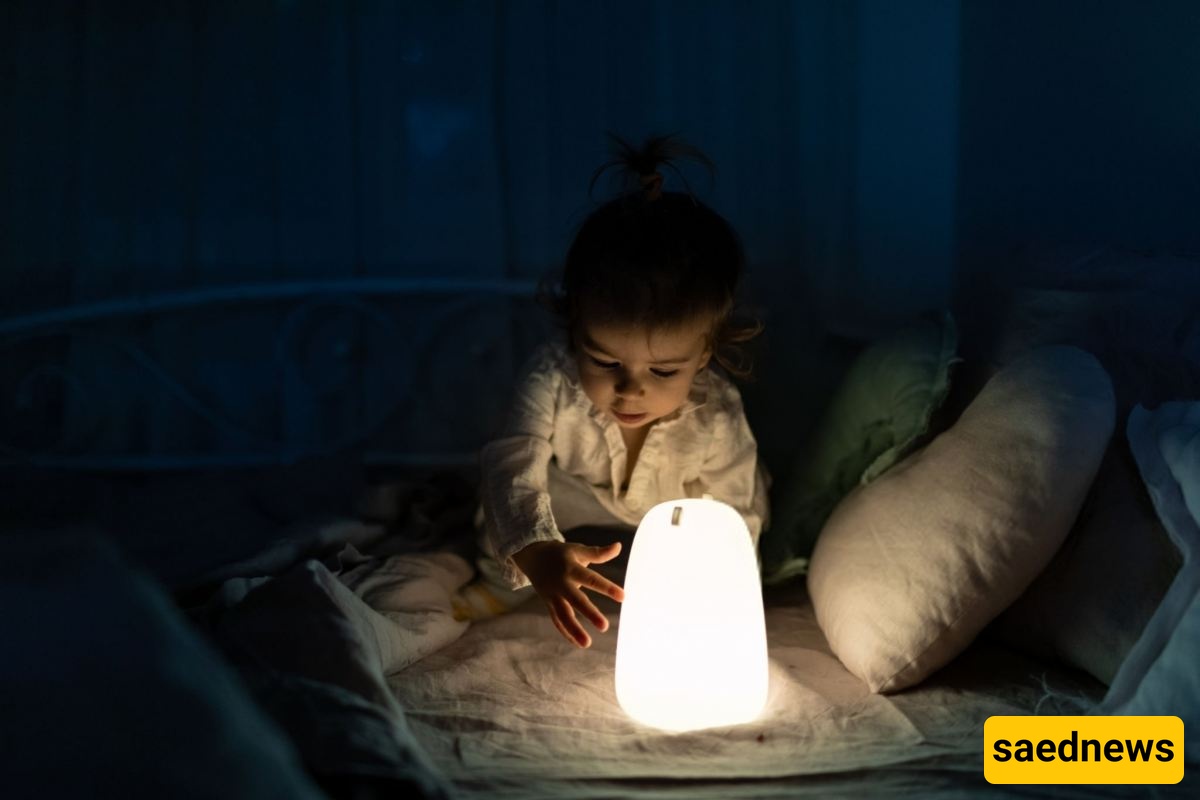
Several factors—including safety, light color, brightness control, features, and design—can make a significant difference in a child’s sleep environment. In this guide, we explore the most important features to consider when choosing a night light for your child.
Without a doubt, safety should be the first priority when choosing any product used in a child’s room. A night light is no exception. When shopping, consider the following factors:
Materials: Choose a night light made from non-toxic materials and free from harmful chemicals such as BPA. Soft silicone, fabric, and durable plastic are generally suitable choices. Avoid models made with fragile glass or small detachable parts that could pose a hazard.
Heat generation: Traditional incandescent bulbs can become hot and create a burn risk. Modern LED night lights produce very little heat and are generally much safer for children. Before purchasing, check that the product uses LED technology and has appropriate thermal protection.
Cords and plugs: If the night light has a cord, make sure the cable is thick, durable, and kept well away from the child. Rechargeable or battery-powered models can reduce the risk of a child coming into contact with cords or electrical outlets.
Safety certifications: Look for products that meet recognized safety standards, such as European CE requirements or relevant UL standards in the United States. These certifications can provide additional assurance regarding electrical and material safety.
A night light should not produce light that resembles daylight or bright cool-white lighting, as exposure to certain types of bright light in the evening can interfere with melatonin production, the hormone associated with sleep.
The following options are generally more suitable for a bedtime environment:
Warm light: Choose light with a color temperature of approximately 2700–3000 Kelvin. Warm light resembles the colors of sunset and creates a more relaxing atmosphere before bedtime.
Soft red light: Research suggests that dim red light has relatively little impact on the circadian system compared with short-wavelength blue light. Some night lights therefore offer a dedicated red-light setting for nighttime use.
Avoid blue light: Blue and cool-white light, particularly at higher color temperatures, can promote alertness. For this reason, avoid using bright, cool-toned light immediately before or during sleep.
A good night light should ideally allow the brightness to be adjusted. A dim setting can help create a comfortable sleeping environment without making the room completely dark.
Benefits of low brightness: A soft light can help children feel secure while reducing harsh shadows that may make the room seem frightening. With a dimmer, parents can gradually reduce the brightness as a child becomes more comfortable sleeping with less light.
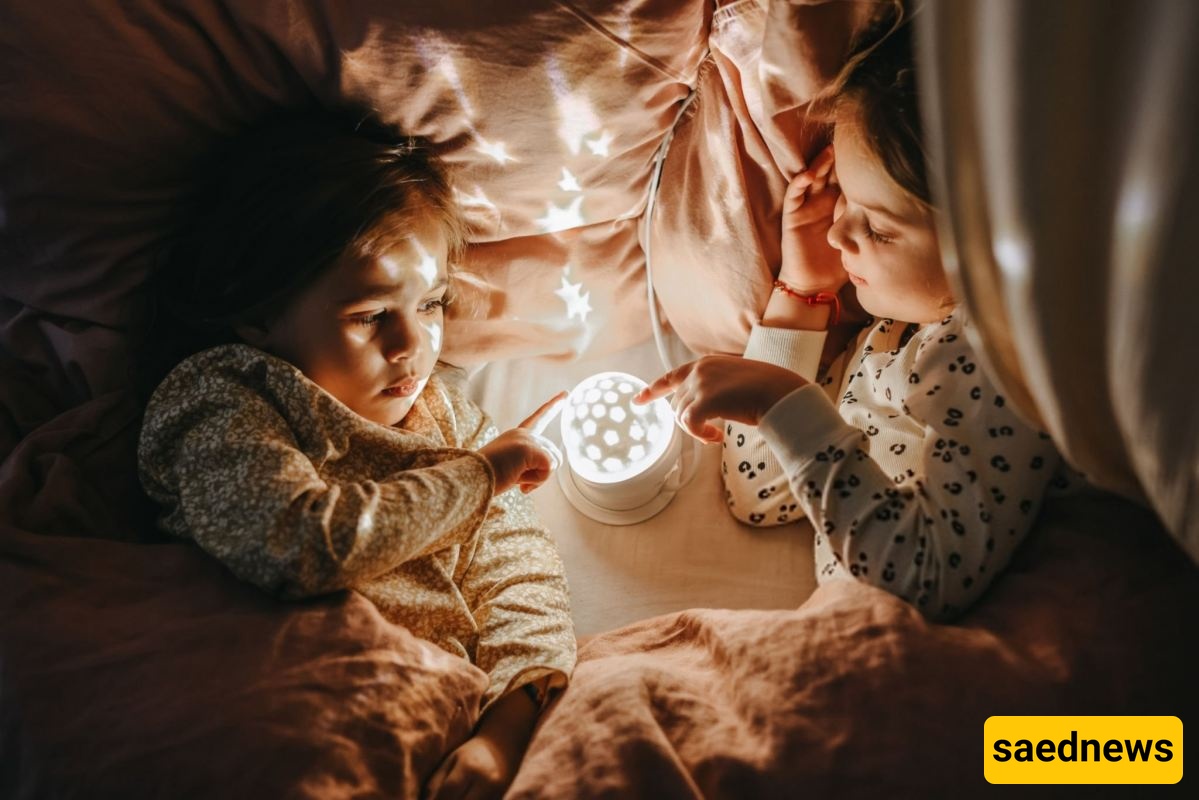
Enough light for nighttime needs: Parents may occasionally need additional illumination for changing a diaper, feeding a baby, or checking on a child during the night. Adjustable brightness makes it possible to increase the light temporarily without filling the room with bright illumination.
These features can make nighttime routines easier for both children and parents.
Automatic shut-off timer: Some children prefer falling asleep with a light on, but leaving additional light on throughout the entire night may not always be necessary. Models with 30-minute, 60-minute, or other timer settings can automatically switch off after the child falls asleep.
Light sensor: Some models detect changes in the surrounding light and automatically turn on when the room becomes dark and off when the environment becomes bright. This can make nighttime routines more convenient and eliminate the need to manually operate the light.
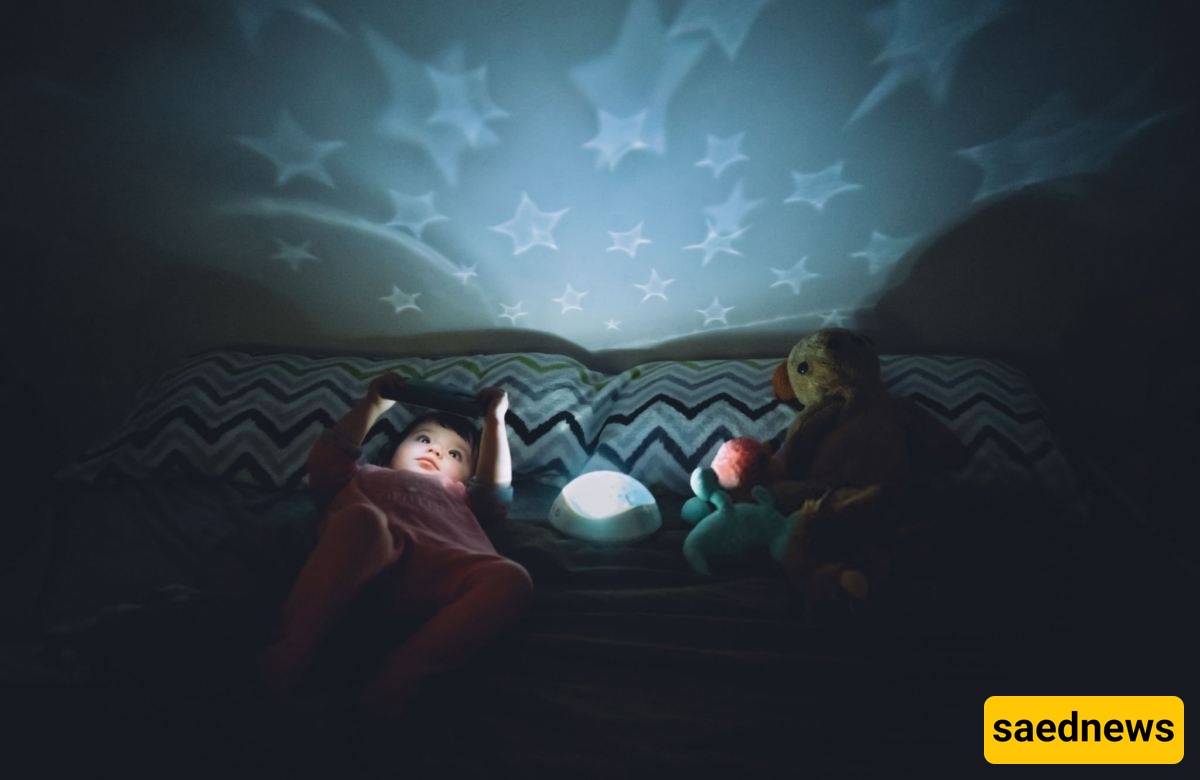
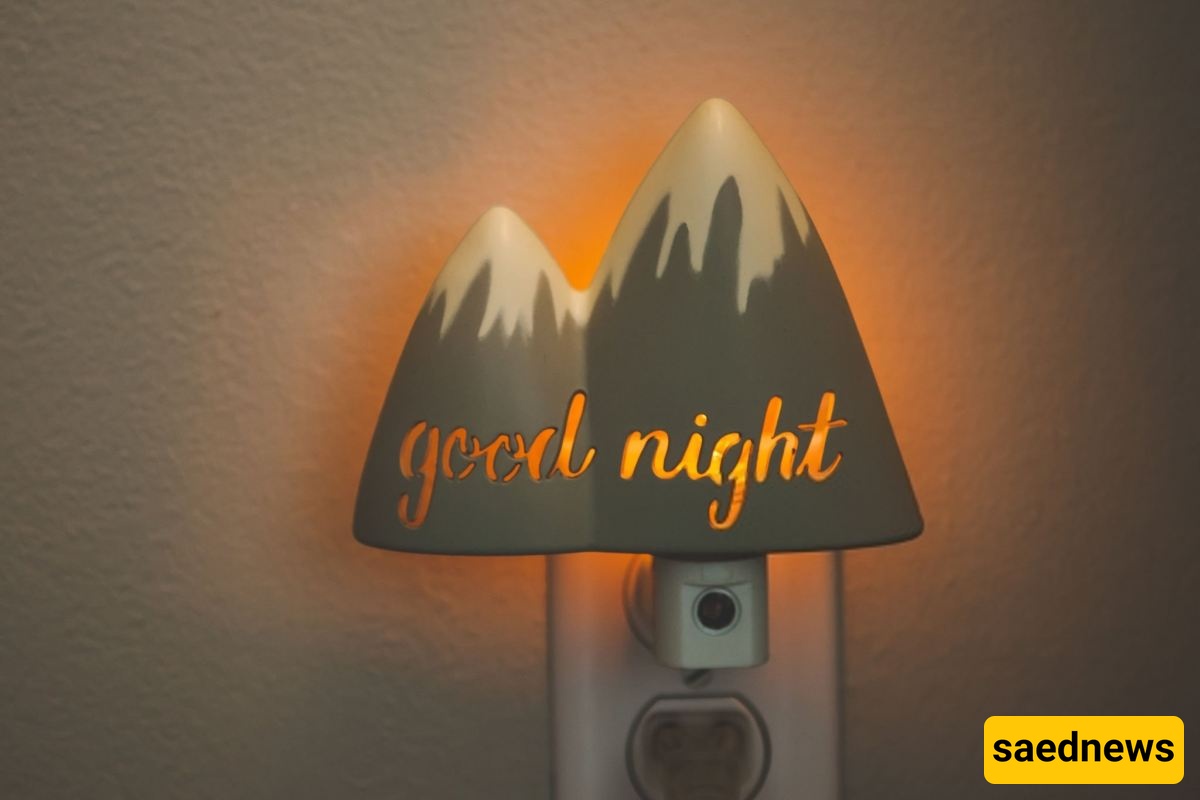
Children are often attracted to familiar shapes, animals, and playful designs. An appealing night light can make the bedtime environment feel more comfortable and inviting.
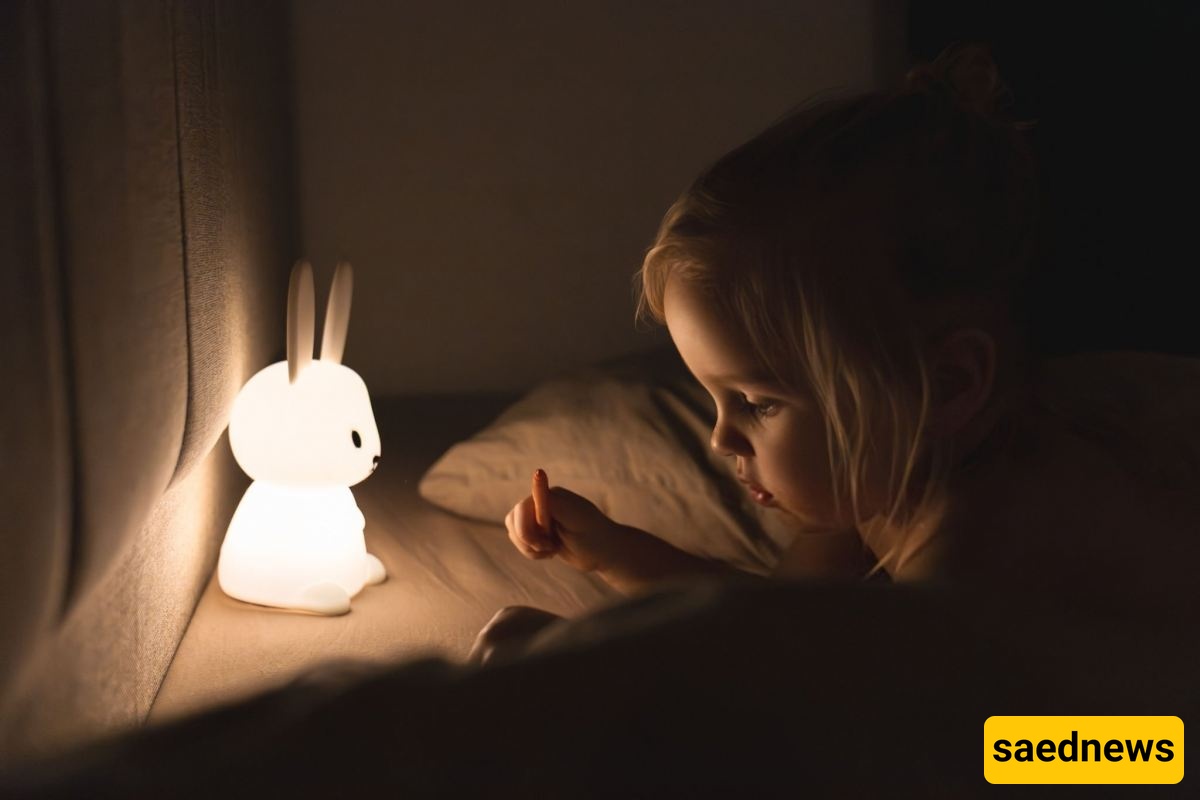
Fun shapes: Night lights shaped like animals, stars, moons, clouds, or storybook characters are popular choices. Some are designed as soft plush toys and can serve both as a comforting object and a source of gentle light.
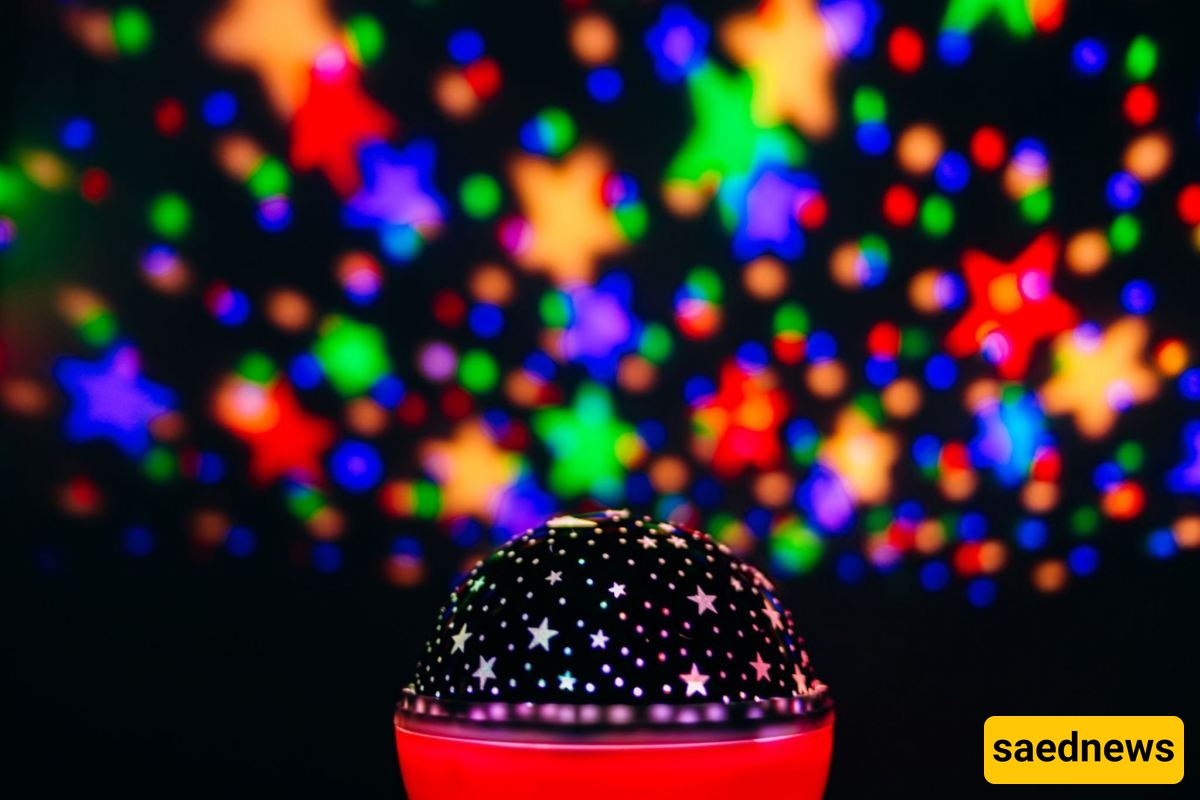
Projector night lights: Some models project images of stars, galaxies, underwater scenes, or forests onto walls and ceilings. These effects can be entertaining for imaginative children and may help create a relaxing bedtime atmosphere.
Portability: A lightweight, cordless night light can be useful when traveling. Having a familiar light available in an unfamiliar environment may help some children feel more secure
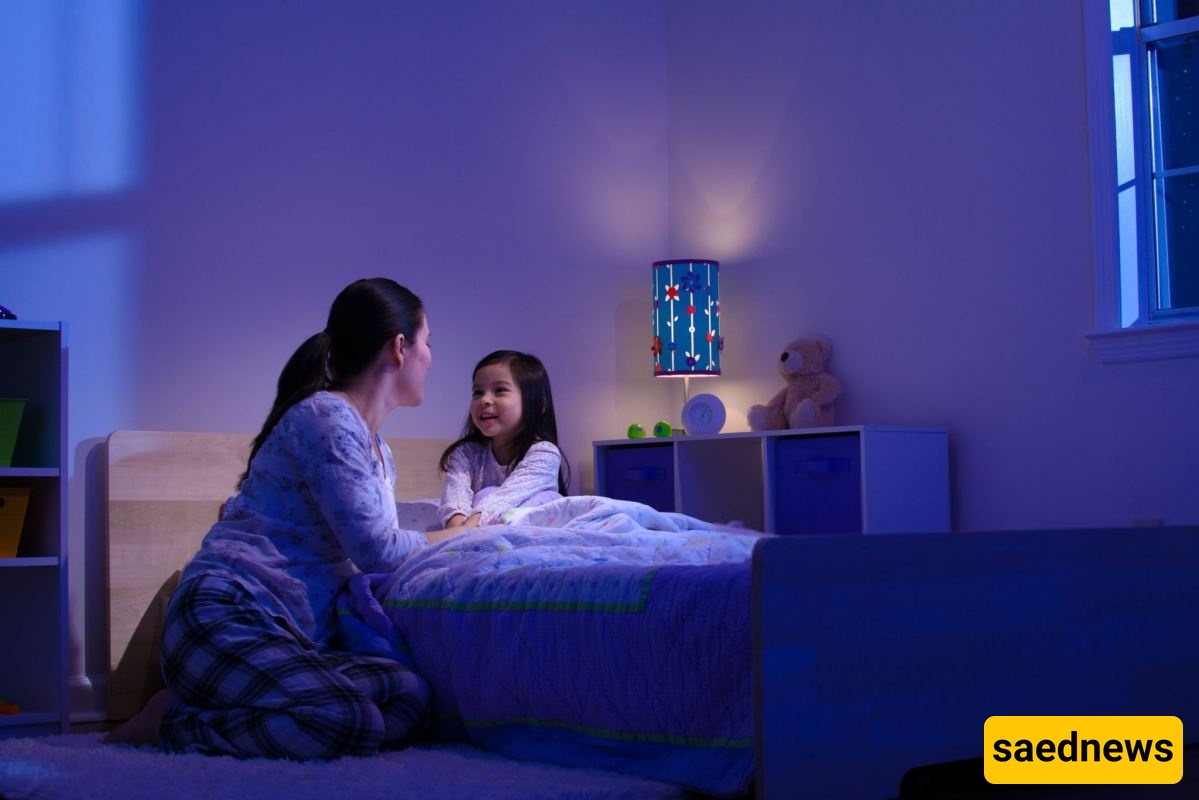
Many modern night lights include built-in audio features, which can be useful as part of a consistent bedtime routine.
Lullabies and white noise: Gentle sounds such as rain, ocean waves, soft wind, or lullabies may help some children relax before sleep. White noise can also mask sudden household sounds that might otherwise disturb sleep.
Combining light and sound: A night light that provides both gentle illumination and calming sounds can simplify the bedtime setup by reducing the need for multiple separate devices. Using the same features as part of a regular bedtime routine may also help children associate them with sleep.
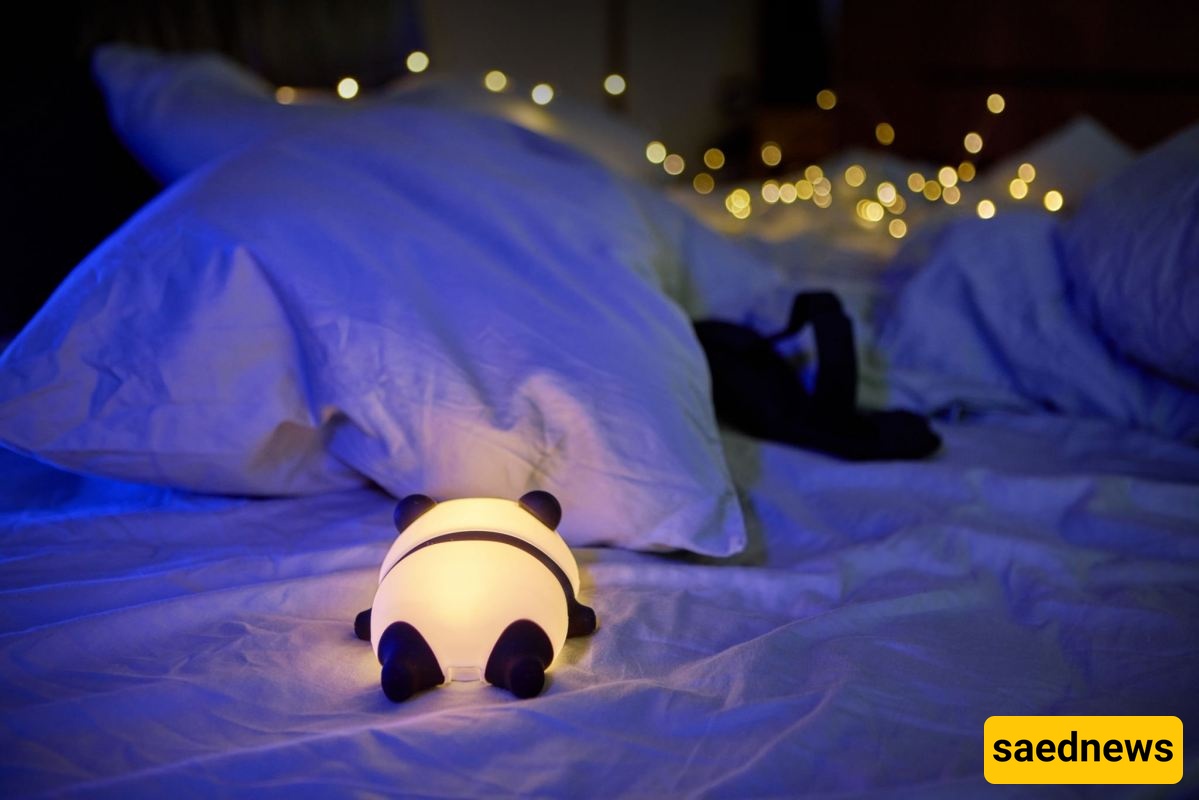
Modern night lights commonly use LED technology, which consumes relatively little energy. However, battery performance is still worth considering when choosing a model.
Rechargeable batteries: If you plan to use the night light while traveling, battery life becomes especially important. Models offering approximately 10–20 hours of use may be convenient for overnight or travel situations. Make sure the charging system includes appropriate battery protection.
USB charging: Some night lights can be charged through USB and connected to a power bank, providing additional flexibility when traveling or when a wall outlet is not conveniently located.
Night Light Buying Guide and Frequently Asked Questions
A night light may become useful when a child begins to recognize their surroundings more clearly and develops a fear of darkness. For very young babies, however, keeping nighttime lighting as low as practical can help maintain a clear distinction between day and night.
In general, a dim night light with a comfortable, warm color is not expected to harm a child’s eyes. A small amount of illumination can also make nighttime movement around the room safer. Avoid placing bright lights directly in front of the child’s eyes, particularly cool or blue-toned light.
Some children may become accustomed to sleeping with a particular light. If you eventually want your child to sleep without one, using a timer and gradually reducing the brightness can help them become more comfortable with darker conditions.
Do not place the night light immediately next to the child’s bed. Position it at a suitable distance and direct the light toward a wall or ceiling so that it does not shine directly into the child’s eyes.
For babies and young children, a portable night light with remote control can be convenient because parents can adjust the lighting without approaching the child and potentially disturbing their sleep.
Avoid using continuously changing RGB colors at bedtime. Constant color changes may create visual stimulation and make it harder for some children to settle down.
Keep cords, chargers, and other electrical components out of a child’s reach.
Choosing the right night light can help parents create a safer and more comfortable sleep environment for their children. An ideal night light should combine appropriate safety features, gentle and adjustable illumination, child-friendly design, and practical functions such as a timer or calming sounds.
Before making a purchase, pay close attention to the product’s safety documentation, construction materials, light source, brightness settings, and energy consumption. The best choice will also depend on your child’s age, sleeping habits, and individual needs.
A night light does not need to be an elaborate device. Its main purpose is to create a calm and reassuring environment without unnecessarily disrupting nighttime sleep. With a thoughtful choice, parents can make bedtime more comfortable while helping children develop healthy sleep habits.
When choosing between several options, safety and appropriate light quality should always come before appearance or extra features. Once those basics are covered, you can choose a design and set of features that best suit your child and family.