SAEDNEWS: A suitable daily routine can help older adults maintain physical activity, mental well-being, healthy sleep, and a greater sense of independence. Simple habits such as regular meals, gentle movement, meaningful activities, sufficient rest, and social connection can make each day more balanced and enjoyable.
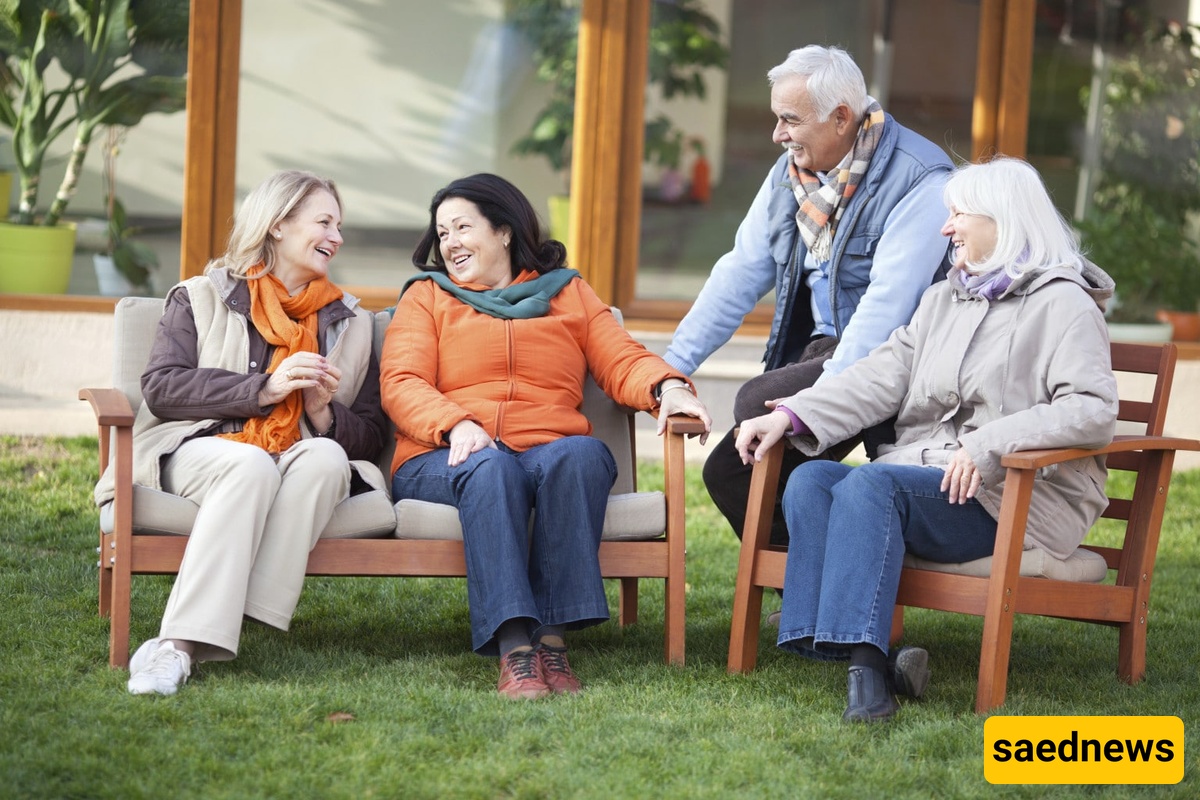
According to SAEDNEWS, beginning the day at a consistent time can help older adults maintain a stable sleep-wake pattern. After waking, simple activities such as washing, getting dressed, having breakfast, and spending a little time in natural daylight can create a positive start. A predictable morning routine can also make daily tasks easier to manage.
Regular movement is an important part of a healthy routine in later life. Depending on individual abilities, walking, stretching, simple balance exercises, or light household activities can help keep the body active. Physical activity should be comfortable and appropriate for the person's abilities, with enough breaks throughout the day.

Having meals at fairly consistent times can make the day more organized. Nutritious foods, adequate fluids, and reasonable portions can support overall well-being. Rest periods are also valuable, especially after physical or mentally demanding activities. A balanced schedule should include activity without making the person feel exhausted.
A good daily routine should not focus only on physical needs. Reading, gardening, learning something new, prayer, handicrafts, listening to suitable programs, or talking with family members can provide enjoyment and mental stimulation. Giving older adults opportunities to choose activities they enjoy can also strengthen their sense of independence.
A peaceful evening routine can prepare the body and mind for sleep. Finishing demanding activities earlier, having a light evening meal, reducing unnecessary screen time, and following a regular bedtime can support better rest. Keeping the routine flexible is equally important because energy levels and needs may vary from one day to another.