SAEDNEWS: Learn how to safely prepare, refrigerate, freeze, and serve baby food at the right time—from choosing fresh ingredients to using proper thawing methods.
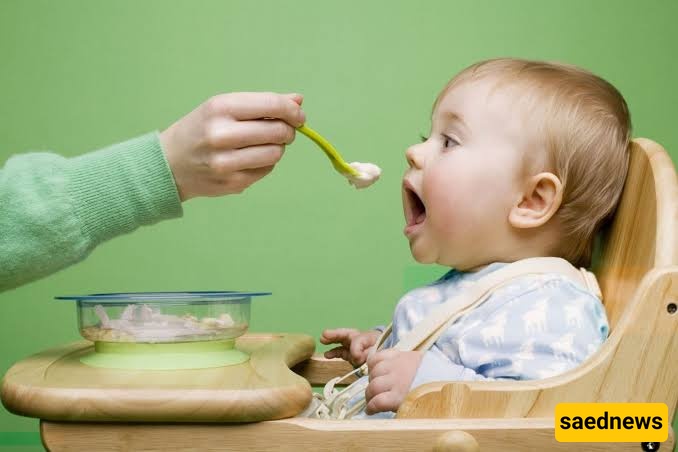
According to Saednews, After starting complementary feeding, one of the main concerns for parents—especially working mothers—is how to properly store and preserve baby food. Preparing fresh food for every meal is not always practical, so parents may need to cook larger quantities and keep portions in the refrigerator or freezer. This guide explains the proper methods for preparing, storing, freezing, thawing, and serving baby food so you can provide your child with healthy and nutritious meals with confidence.
When introducing complementary foods, fresh fruits and vegetables are among the best choices. Fruits such as apples, pears, peaches, apricots, plums, mangoes, and cantaloupe, as well as vegetables such as carrots, zucchini, potatoes, peas, asparagus, and avocado, are excellent options.
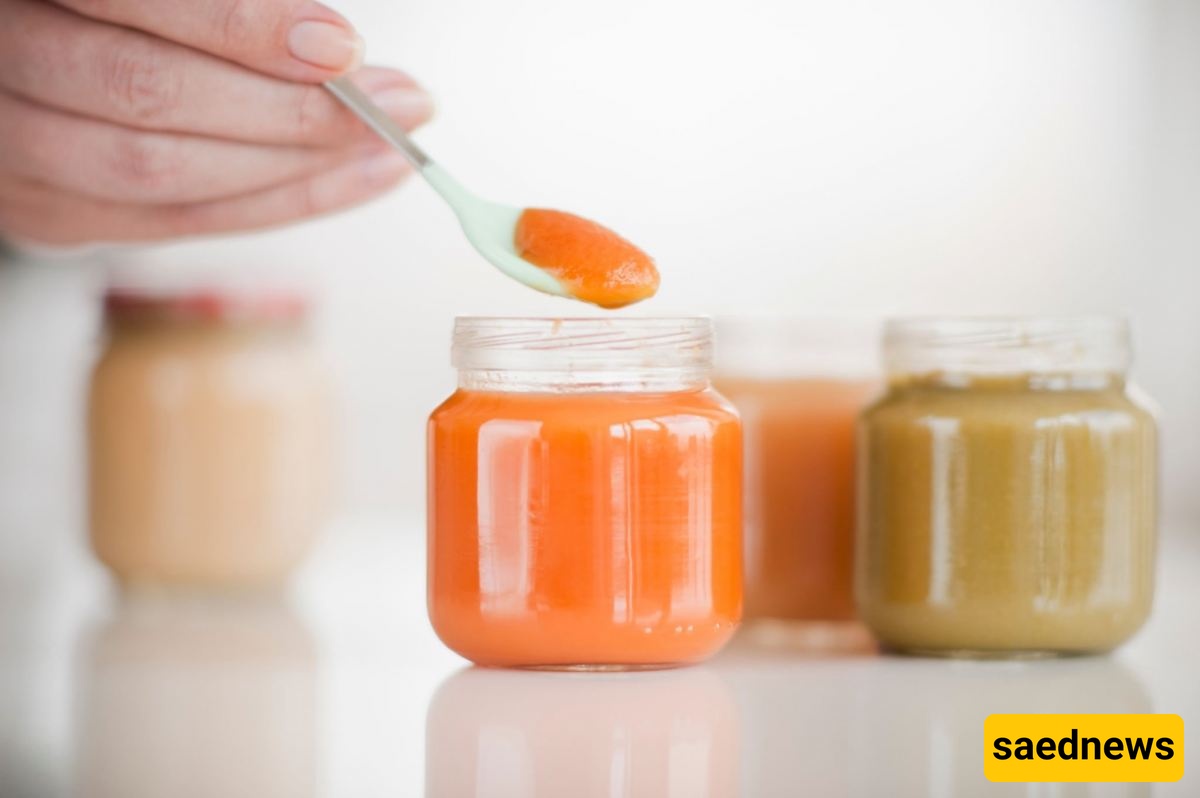
These foods can be introduced as purées or combined in creative ways. Avoid adding salt, sugar, pepper, or other seasonings to baby food. Ready-made and canned foods containing chemical preservatives should also be avoided whenever possible, as they may not be appropriate for a baby's sensitive digestive system.
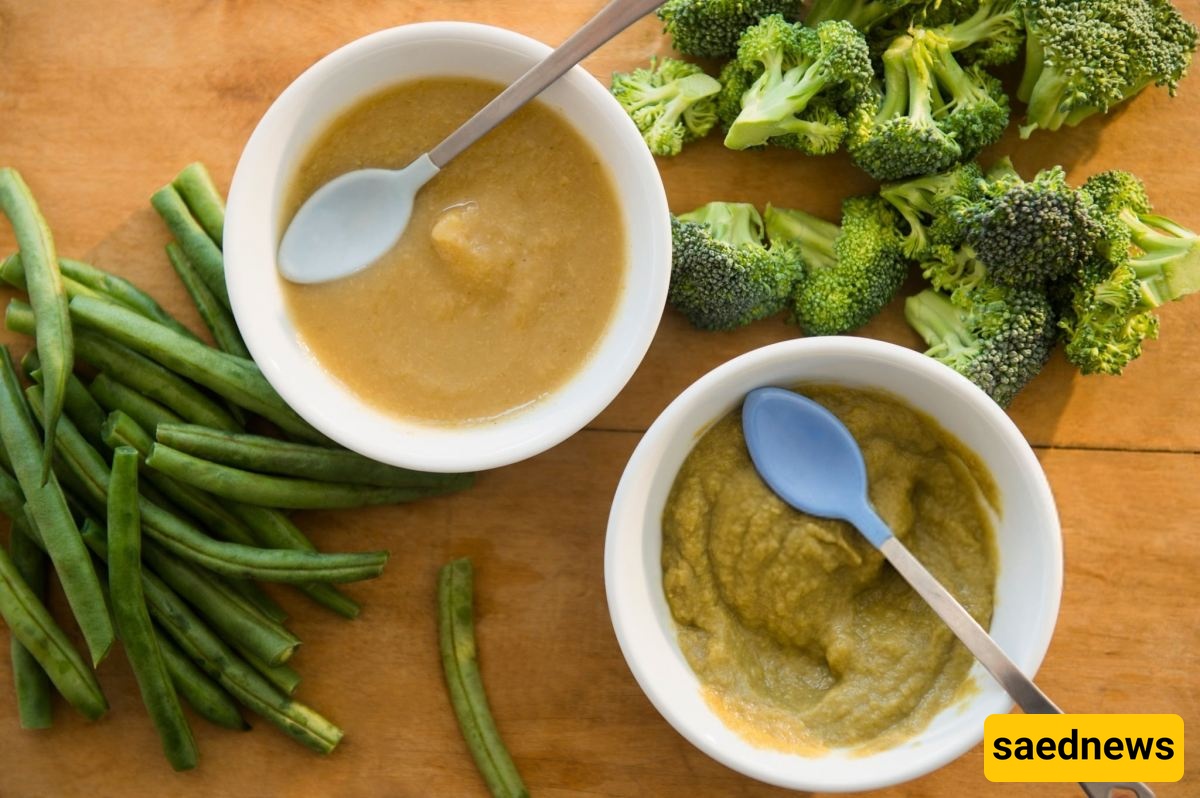
When cooking food for your baby, use only a small amount of water. You can reserve the remaining cooking liquid and add it later while mashing the food to achieve the desired consistency.
Steaming is generally preferable to boiling vegetables in a large amount of water because it helps preserve more of their nutritional value. After cooking or steaming, vegetables can be processed in a food processor until they reach a smooth, soft texture.
For firm fruits such as apples and pears, lightly steam or grate them first to make them easier for your baby to eat. Soft, ripe fruits such as bananas and avocados can usually be served raw and mashed.
Grains: Soak them first, then cook and process them until smooth.
Meat and poultry: Remove the skin and bones, wash thoroughly, and cook completely before puréeing. For children over approximately 10–12 months, meat can be finely chopped into small pieces.
Consistency: At the beginning of complementary feeding, food should be very thin. Breast milk, formula, or cooled boiled water can be used to dilute it. Gradually increase the thickness as your baby becomes accustomed to solid foods.
Fruit skins: At first, remove the skins of fruits such as apples and peaches, as they can be more difficult for a baby's digestive system to handle.
Proper storage helps prevent food spoilage while preserving its nutritional quality. For longer-term storage, freezing is generally the most practical option.
Place cooked baby food into ice cube trays or small freezer-safe containers and freeze.
Once completely frozen, remove the portions from the trays and transfer them to freezer bags.
Label each bag with the type of food and the preparation date.
Remove only the amount needed for one meal at a time.
Purées of fruits and vegetables: Up to 3 months
Cooked meat, poultry, and fish: 1–2 months
Mixed meals containing meat and vegetables: Up to 2 months
Baby food stored in the refrigerator is generally suitable for 2–3 days. After that, it should be discarded. For better refrigeration, keep baby food in the coldest part of the refrigerator rather than in the door.
Thawing should be done in a way that minimizes the risk of bacterial growth. There are several safe methods:
Place the frozen portion in a covered container and leave it in the refrigerator overnight. Once completely thawed, use it within 48 hours.
Place the covered container holding the frozen food in a bowl of warm water. Once the food has thawed, serve it immediately and do not refreeze or store it again.
Use the microwave's defrost setting and turn the container several times during the process. Stir the food thoroughly afterward to distribute the heat evenly throughout.
Heat only the amount your baby is likely to eat. If food has been warmed and your baby does not finish it, discard the leftovers. Contact with saliva can introduce bacteria and create conditions that allow microorganisms to multiply.
Be especially careful when using a microwave, as it can create hot spots that may burn your baby's mouth. Stir the food thoroughly after heating and allow it to stand for a few minutes so the temperature becomes uniform.
Before serving, test the temperature by placing a small amount on the inside of your wrist or forearm. It should be around body temperature—approximately 37°C (98.6°F)—and neither hot nor cold.
Never sweeten baby food with sugar or other sweeteners. Introducing added sugar can encourage a preference for sweet foods and may contribute to obesity, diabetes, and tooth decay later in life.
Honey should not be given to infants. It may contain spores of Clostridium botulinum, which can cause infant botulism, a potentially life-threatening illness.
If you are going out and need to take food with you, a ripe banana can be a convenient option. You can mash it with the back of a spoon immediately before feeding your baby.
Freezing purées in ice cube trays also makes it easy to combine different flavors. For example, you can mix one cube of carrot purée with one cube of apple purée to create a varied and flavorful meal. Combining different purées can also improve the texture and consistency of the food.
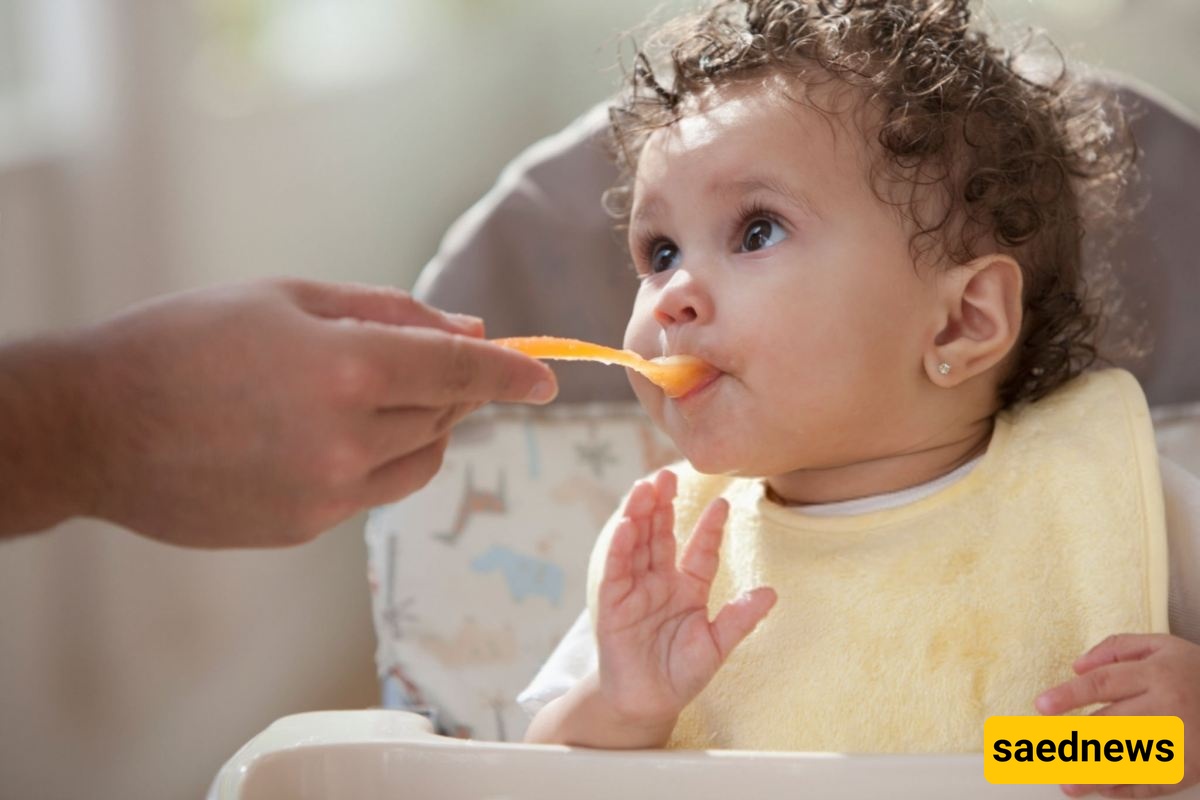
Safe preparation and storage of baby food are valuable skills for modern parents. By choosing fresh ingredients, following good hygiene practices, cooking food properly, and using appropriate freezing and thawing methods, you can save time while ensuring that your baby receives nutritious food.
Always label stored food with its preparation date and type, and when in doubt about its quality or safety, throw it away. With a little planning and care, you can make this important stage of your child's development easier, safer, and more enjoyable.