SAEDNEWS: A new study from McGill University has found that T cells can detect physical properties of their surroundings, including tissue stiffness. The discovery suggests that mechanical features of tissues may influence immune cell behavior and long-term immunity.

According to SaedNews: Scientists have long believed that immune cells mainly rely on chemical signals to understand their surroundings, but a new study has revealed a different mechanism.
Researchers at McGill University found that T cells, which are among the key components of the body’s defense system, can sense physical characteristics of their environment, including how stiff a tissue is. The finding could change scientists’ understanding of how long-lasting immune protection develops.
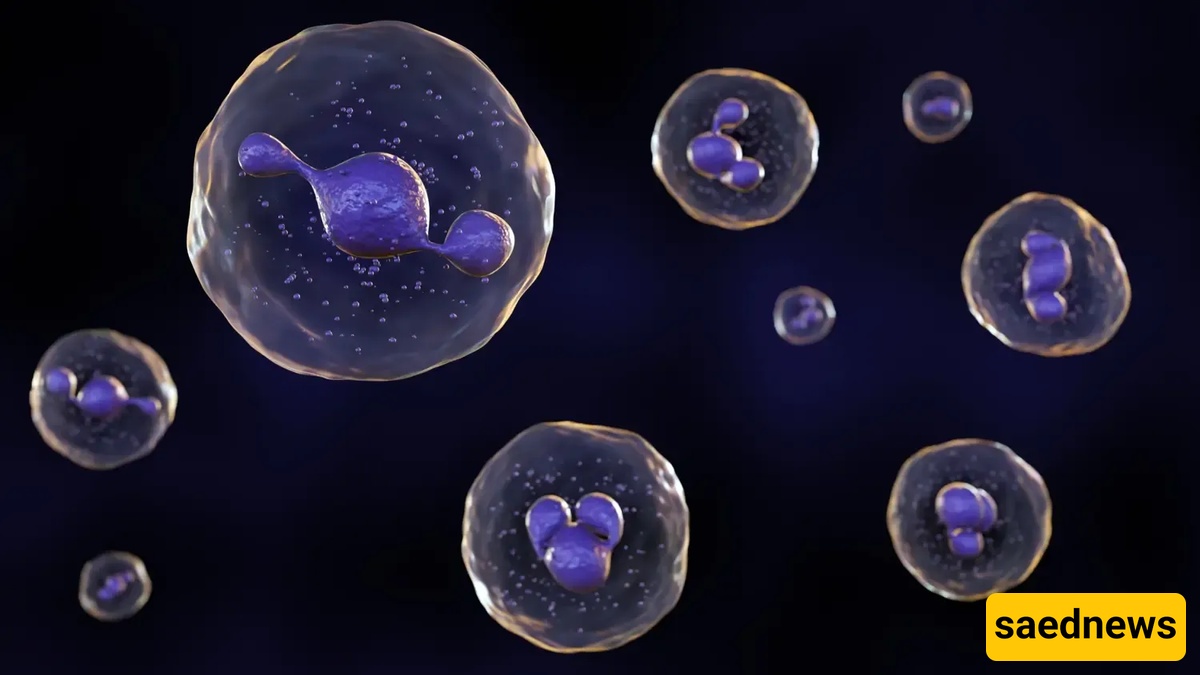
T cells are part of the adaptive immune system and help identify and fight infected or abnormal cells. After an infection ends, some of them remain in the body and become memory cells. A group known as tissue-resident memory T cells stays in different tissues to respond faster if the same pathogen returns.
Previously, scientists thought chemical signals were the main factor determining the development of these cells. The new research indicates that the physical environment of tissues also plays a role.
To investigate this, researchers placed T cells in laboratory environments with different levels of stiffness. They found that cells exposed to harder surroundings showed greater changes in their behavior and genetic programs, becoming more similar to tissue-resident memory T cells.
The researchers also discovered that mechanical forces can influence cell shape, nuclear structure, and the activity of certain important genes. The findings may help improve understanding of autoimmune diseases, allergies, transplant rejection, and cancer immunotherapy, as tumors often create dense and stiff environments that make it harder for immune cells to enter.