SAEDNEWS: Do you get blisters on the back of your heel from wearing shoes? In this article, we explore the main causes, prevention methods, and immediate treatments for this common problem.
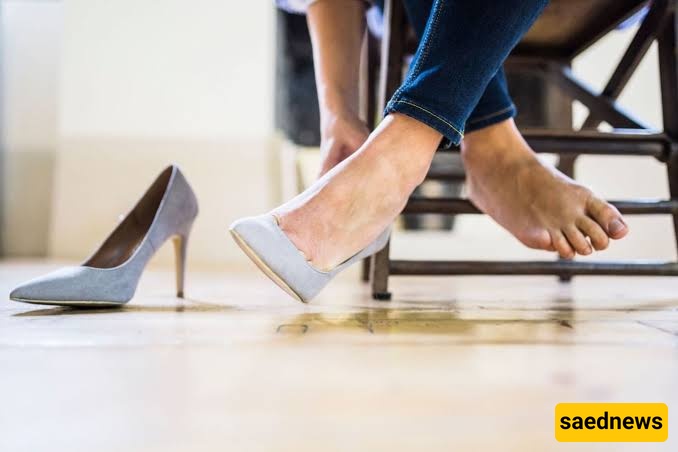
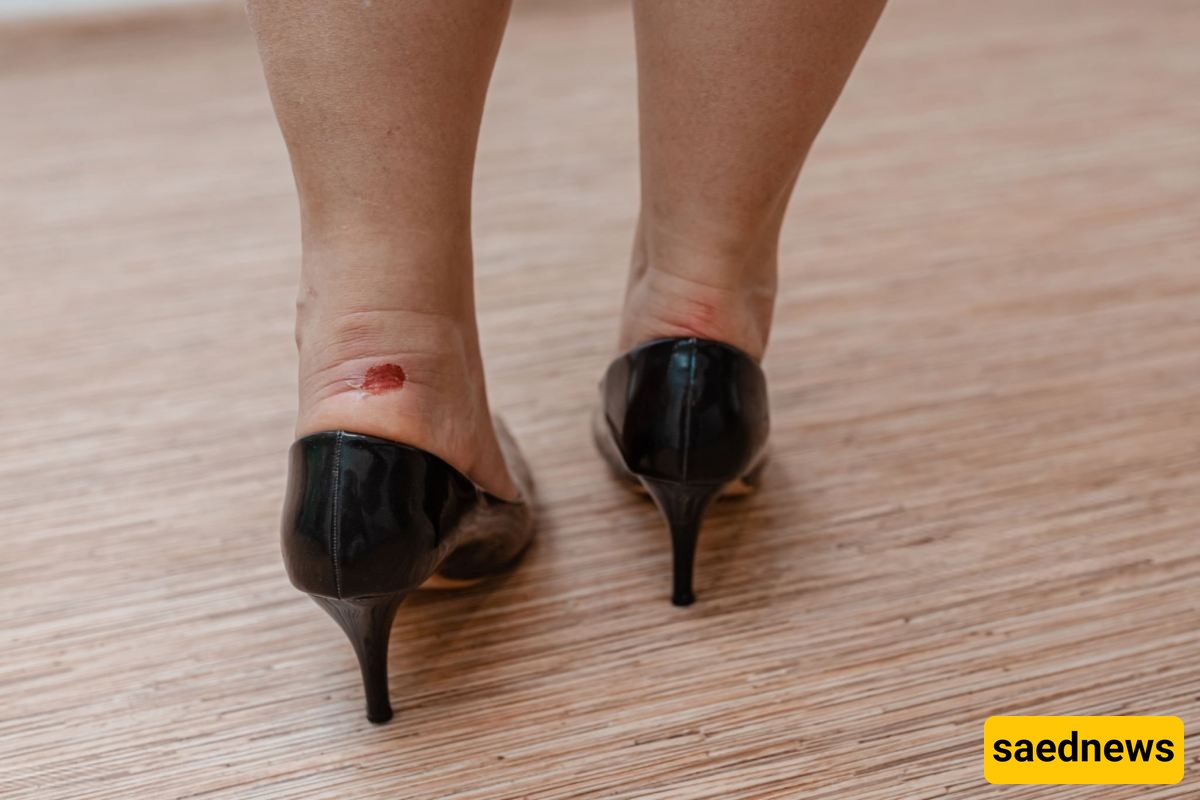
According to Saednews, Have you ever experienced a blister, burning sensation, or inflammation at the back of your heel after walking for several hours? This common problem, often known as shoe rubbing on the heel, is one of the most irritating foot issues many people experience throughout their lives. It can cause discomfort and pain while also interfering with daily activities, exercise, and even simple walks.
The most common cause of this problem is wearing shoes that do not fit properly. Many people choose shoes that are either too large or too small.
Shoes that are too large allow the foot to slide inside, causing repeated friction against the back of the shoe. On the other hand, tight shoes place constant pressure on the heel, creating friction that can eventually lead to blisters.
Shoes made from hard and inflexible materials, such as poor-quality synthetic leather or plastic, are more likely to cause irritation and rubbing at the back of the heel.
Shoes with a stiff heel collar and little or no cushioning can also put direct pressure on the heel bone, increasing discomfort.
Thin, short, or synthetic socks that do not absorb moisture can increase friction between the foot and the shoe.
Cotton socks and thicker socks can act as a protective layer, reducing rubbing and irritation.
Some people naturally have more prominent heels or specific foot arches that cause increased contact between the heel and the back of the shoe.
People with foot conditions or deformities, such as heel spurs, may also be more likely to experience this problem.
New shoes, especially leather shoes, often require a period of adjustment. During this time, the material may be stiff and has not yet adapted to the shape of your foot, making heel rubbing more likely.
How to Prevent Shoe-Related Heel Blisters
Measure your feet at the end of the day when they are slightly swollen, as this provides a more accurate size.
When wearing shoes, there should be about one centimeter of space between your longest toe and the front of the shoe.
Your heel should not easily slip out of the shoe. If you can easily place a finger between your heel and the shoe, the shoe may be too large.
Choose thick cotton socks that absorb moisture.
Use sports socks with extra cushioning around the heel.
Seamless socks are usually a better choice because they reduce irritation.
Wear new shoes for only a few hours at home at first.
Use shoe-stretching pads if needed.
Carefully warm leather shoes with a hair dryer and then wear them to help soften the material.
Silicone heel pads: These attach directly to the heel and reduce friction.
Blister prevention patches: Products such as Compeed can help prevent blisters from forming.
Foot antiperspirant sprays: Reducing moisture can help decrease friction.
Do not puncture or disturb it. Cover it with a special blister bandage and allow it to heal naturally.
Wash the area with soap and water, apply antibiotic ointment if appropriate, and cover it with sterile gauze.
Wrap ice in a cloth and place it on the affected area for about 15 minutes.
Aloe vera has soothing and anti-inflammatory properties that may help calm irritated skin.
Creams containing ingredients such as lidocaine or hydrocortisone may help reduce discomfort and irritation.
Avoid wearing tight shoes until the blister has fully healed.
Wear sandals or open footwear to allow air circulation around the injured area.
Seek medical advice if signs of infection appear, such as redness, pus, or fever.
Apply a small amount of oil to the back of the shoe and leave it for several hours to help soften the material.
Spray a mixture of equal parts water and alcohol onto the stiff area of the shoe, then wear it to help loosen the material.
Place a raw potato inside a sock and leave it inside the shoe overnight. The moisture from the potato may help soften leather.
Put a damp towel inside the shoe and warm it carefully with a hair dryer.
Place a plastic bag filled with water inside the shoe and leave it in the freezer. As the water freezes and expands, it may help stretch and loosen the shoe.
If heel rubbing continues despite following these measures, your foot may require professional evaluation. Consult a doctor or podiatrist if you experience:
Frequent or infected blisters
Severe heel pain that does not improve after changing shoes
A noticeable heel bump or deformity, such as a heel spur
Numbness or tingling in the heel area
Diabetes or circulation problems, as wounds may heal more slowly in these conditions
Proper shoe selection, suitable socks, and early treatment can greatly reduce heel friction and help prevent painful blisters and irritation.