SAEDNEWS: Do you know which sports are believed to reduce height? In this article, we examine the types of physical activities that may negatively affect growth and height development. By exploring scientific evidence and common misconceptions, we reveal the facts behind this topic. Stay with us to learn more and gain useful insights.
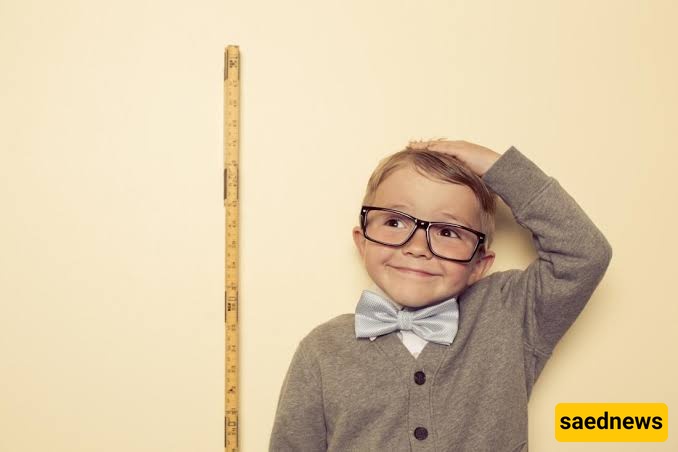
According to SAEDNEWS, Exercise is one of the most important factors in maintaining both physical and mental health. Many parents encourage their children to participate in sports from an early age to support healthy growth, improve physical fitness, and promote overall well-being. But are all sports beneficial for increasing height? Can certain types of exercise hinder height growth or even make a person shorter?
In this article, we take a comprehensive look at the sports and training practices that may negatively affect height development and examine the scientific evidence behind their potential impact on growth.
Height growth is primarily influenced by genetic factors, nutrition, sleep quality, growth hormones, and the growth plates of the bones. Growth plates are areas of cartilage located at the ends of long bones that remain active during childhood and adolescence. Over time, these cartilage regions gradually harden and are replaced by bone tissue as growth is completed.
Excessive pressure or injury to the growth plates can lead to their premature closure, which may result in stunted growth and an early end to height development.
1. Heavy Weightlifting
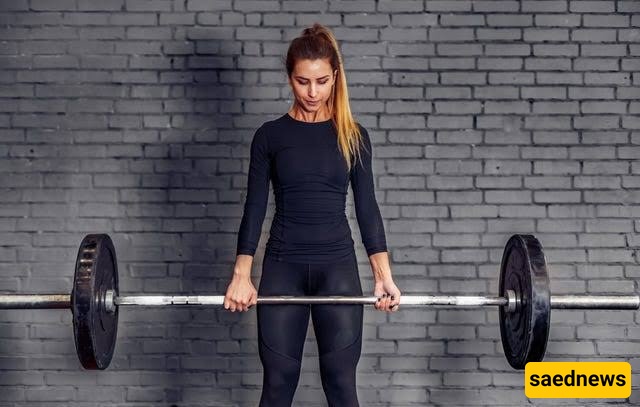
During the growing years, lifting very heavy weights can place significant stress on the spine and the growth plates of the bones. Excessive pressure may lead to minor or serious injuries to these growth plates and, if repeated over time, could interfere with normal growth and potentially reduce a person's final adult height. However, properly supervised light-to-moderate resistance training is generally considered safe for children and adolescents.
2. Gymnastics
Gymnastics often begins at a very young age and involves intense training, frequent jumping, and substantial physical demands. Gymnasts typically train for many hours each day, placing their bodies under continuous stress and compression. Studies have found that elite gymnasts tend to be shorter than many of their peers. Nevertheless, genetics and selection factors also play an important role in this observation.
3. Wrestling
Wrestling may negatively influence growth when it involves rapid weight loss, restrictive diets, and intense physical training. Rapid weight-cutting can deprive the body of essential nutrients such as calcium and protein, which are vital for healthy bone development. Heavy training may also place additional stress on the spine and knees.
4. Mixed Martial Arts (MMA)
Mixed Martial Arts is a highly demanding and physically intense sport. Participants are exposed to repetitive impacts, heavy physical stress, and a higher risk of injury. In adolescents, these conditions may increase the risk of damage to the growth plates. Furthermore, mandatory weight-cutting practices before competitions can reduce the body's intake of important minerals and nutrients needed for normal height development.
5. Long-Distance and Endurance Running
Running is generally beneficial for overall health. However, excessive long-distance running and intense endurance training in adolescents may contribute to chronic physical stress on the legs, knees, and spine while significantly increasing energy demands. If the body is not given sufficient time and nutritional support for recovery and growth, normal height development may be negatively affected.
6. Heavy Strength Training Exercises Such as Squats, Leg Presses, and Weighted Lunges
Heavy Squats: Can place considerable stress on the pelvis and spinal column.
Leg Presses: May compress the knee and hip joints.
Weighted Lunges: Can create uneven stress on the lower limbs if performed improperly.
When these exercises are performed with extremely heavy loads and high frequency, they may increase the risk of injury to the growth plates, particularly in adolescents whose bones are still developing. Proper technique, appropriate weight selection, and professional supervision are essential to ensure safe training during the growth years.
No. Many sports and physical activities, such as swimming, basketball, volleyball, jump rope, and stretching exercises, can support healthy growth and improve posture. These activities contribute to overall physical development and may help individuals reach their full genetic height potential.
The key is to choose sports and exercise programs that are appropriate for a person's age, physical abilities, and stage of skeletal development. Performing excessively heavy or high-impact exercises during the growth years without proper supervision can increase the risk of injury and may negatively affect normal growth.