SAEDNEWS: Does your foundation settle into your skin or crack? In this article, we examine the main causes of this problem and provide practical solutions for long-lasting makeup.
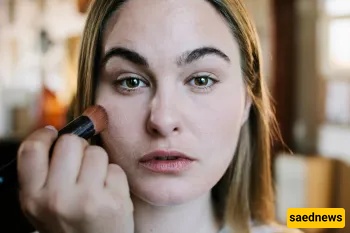
According to Saednews, Have you ever spent hours doing your makeup, only to notice after a while that your foundation has caked up, cracked, or completely faded? This common issue is one of the biggest concerns for makeup lovers. Imagine getting ready for an important party or meeting, and suddenly realizing that your foundation is not sitting well on your skin, creating an uneven and unappealing finish. This not only lowers your confidence but also makes your makeup look unprofessional and unattractive.
Foundation is the base of any makeup look. A good foundation not only covers skin imperfections but also creates a smooth, even canvas for other makeup products. However, when foundation doesn’t sit properly on the face, all your effort goes to waste. This problem can have many causes, from skin type and product choice to skin preparation and application technique.
Understanding these causes and finding the right solutions is the key to achieving long-lasting, flawless makeup. Below, we break down each factor in detail.
One of the most important and often overlooked steps for long-lasting foundation is proper skin preparation. Think of it like painting on a rough, dirty wall—the result will never be smooth.
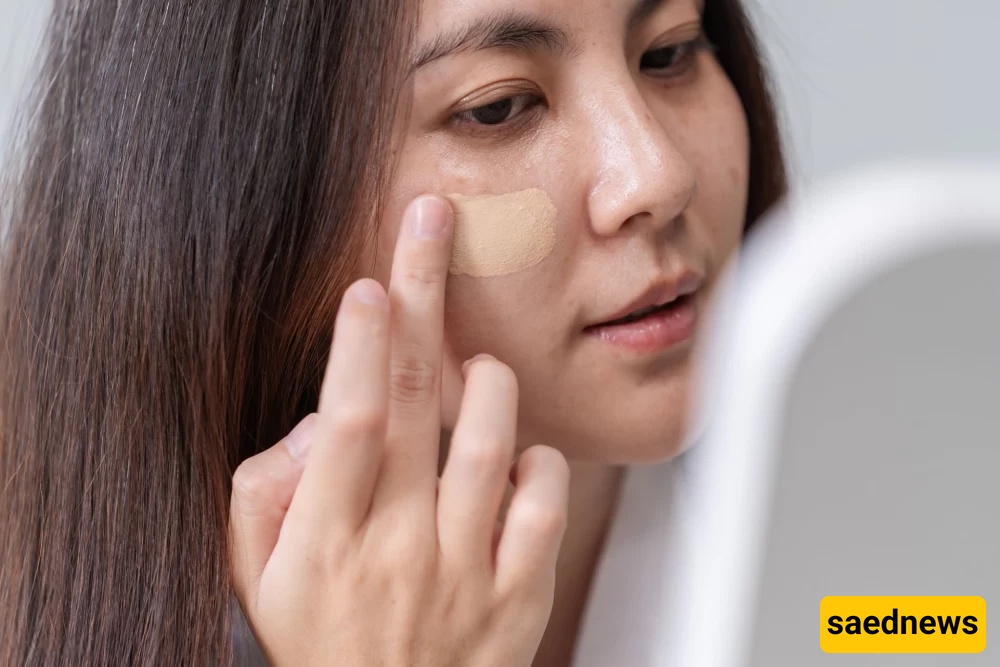
Dry and flaky skin:
If your skin is dry and has dead skin buildup, foundation clings to flakes instead of the skin, creating a patchy finish.
Solution: Exfoliate regularly (1–2 times per week) with a gentle scrub and use a rich moisturizer before makeup. Allow it to absorb fully.
Oily skin and large pores:
Excess oil makes foundation slide off the skin or break down over time. Enlarged pores can also absorb foundation unevenly.
Solution: Use a gentle cleanser, a toner to help control oil, and a lightweight oil-free moisturizer. A primer designed for oily skin can significantly help.
Skipping primer:
Primer acts like a bridge between skin and makeup, improving adhesion and longevity.
Solution: Always apply a suitable primer—mattifying for oily skin, hydrating for dry skin.
Using a foundation that doesn’t match your skin type or needs is a major reason it fails to sit properly.
Wrong foundation type:
Oily skin: matte, oil-free, water- or silicone-based foundations are best.
Dry skin: hydrating, dewy foundations work better.
Combination skin: semi-matte formulas are ideal.
Wrong coverage level:
If you need full coverage but use a light-coverage foundation, it may not apply evenly or perform well.
Solution: Choose coverage according to your needs and build thin layers if necessary.
Formula mismatch:
Waterproof or sweat-resistant foundations are better for humid climates or active lifestyles.
Solution: Choose long-wear formulas if you sweat easily or live in humid environments.
Even the best products can fail if applied incorrectly.
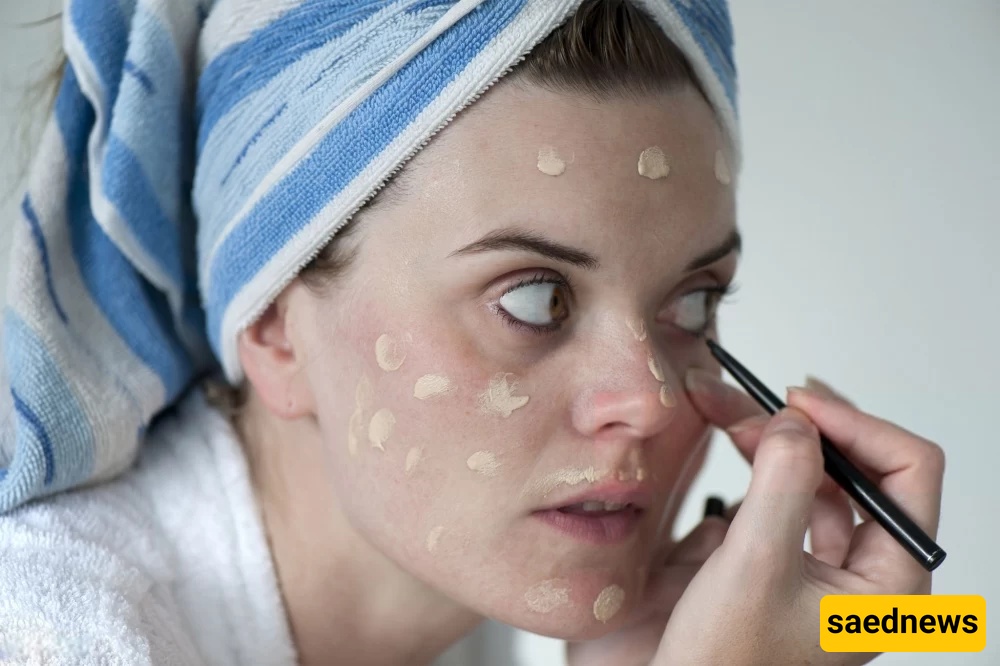
Wrong tools:
Fingers: help blend but may cause uneven finish
Damp sponge: best for natural, smooth coverage
Brush: best for fuller coverage
Using too much product:
Too much foundation leads to cakiness and cracking.
Solution: Start with a small amount and build gradually.
Poor blending:
Visible edges around jawline and hairline ruin the finish.
Solution: Blend carefully into the neck and hairline using a sponge or brush.
Applying on wet skin:
Foundation doesn’t adhere properly to unabsorbed moisturizer or primer.
Solution: Wait 5–10 minutes before applying foundation.
If you don’t set your foundation, it will not last.
No setting powder:
Powder helps absorb oil and lock foundation in place.
Solution: Apply a light layer of translucent powder, especially on oily areas.
No setting spray:
Setting spray creates a protective layer that improves longevity.
Solution: Spray from 20–30 cm away after finishing makeup.
Sometimes the issue is not makeup or technique.
Heat and humidity:
Sweat breaks down foundation.
Solution: Use sweat-resistant and long-wear products.
Hormonal changes:
Hormones can affect oil production and skin texture.
Solution: Adjust skincare routine accordingly and focus on hydration and oil control.
Medication effects:
Some medications can dry out or increase oiliness.
Solution: Consult a doctor if needed and adapt skincare accordingly.
Foundation not sitting properly on the skin is usually caused by a combination of skin preparation, product choice, application technique, and environmental factors. By understanding your skin and using the right methods, you can achieve a smooth, long-lasting, and professional-looking makeup base.