SAEDNEWS: There are several key and important points to consider during moving that, if followed, will help you make the process easier and help your tasks progress more quickly.
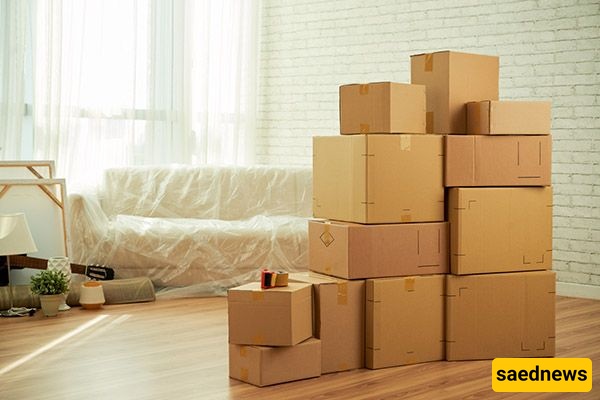
According to SAEDNEWS, Moving is a recurring nightmare: packing and unpacking never seem to end. The moment you finally get rid of the stress of sealing boxes and transporting them, you immediately have to start opening those same boxes and arranging the new home. But if you know some quick relocation and setup tricks, you can minimize this difficulty and, before anything else, enjoy a calm cup of tea.
In this article, we will teach you how to manage moving more professionally and complete the arrangement of your new home in the shortest possible time.
Don’t leave things to the last minute and start as soon as possible
As soon as you know your moving date, begin the process. Although moving to a new home can be stressful, early planning allows you to break the work into smaller tasks; organize one box or even one room each week. Doing these small tasks gradually makes the whole process more manageable.
Make a checklist
The best strategy to reduce the volume of belongings during a move is to be completely honest with yourself about your real needs. Before doing anything—whether packing or discarding items—make a list of things you will definitely need. These should include items you use on a daily basis.
Separate your extra belongings
At the same time, identify items that you can easily live without. Unnecessary belongings that are never used should be removed. If you are moving to a smaller home, look for items that can be replaced with smaller versions. Common examples include beds, sofas, televisions, or dining tables. If you currently live in a large home, these items are likely oversized. By selling larger furniture and replacing it with smaller versions for your new home, you can save a significant amount of space.
Sell or donate extra items
After the initial sorting process, it is time to make final decisions about items you no longer need. If these items are in good condition, the best approach is to either sell or donate them. The income from selling them can help reduce financial pressure.
You can sell more valuable items and donate lower-value ones such as extra dishes or second-hand clothes. Also, consider whether any friends or relatives might want these items; this is often the best way to pass on belongings you once cared about.
Don’t underestimate opportunities for optimizing interior space
In particular, the space under beds offers excellent potential for neatly storing seasonal or rarely used items, such as extra bedding or off-season clothing. In addition, investing in vertical shelving systems and multi-drawer units allows you to make the most of every square meter, keeping your belongings organized, structured, and easily accessible.
Consider a storage unit or facility
If you have valuable items that you cannot easily get rid of but do not have enough space for them in your new home, renting a storage unit (self-storage) can be a good temporary solution. However, there is a crucial point: never use storage as an excuse to accumulate things you no longer use. This only shifts the problem instead of solving it, and it will force you to pay monthly fees for extra space. Instead, use storage only for items that are difficult to part with or that you are likely to need in the future.
Label every box with its contents
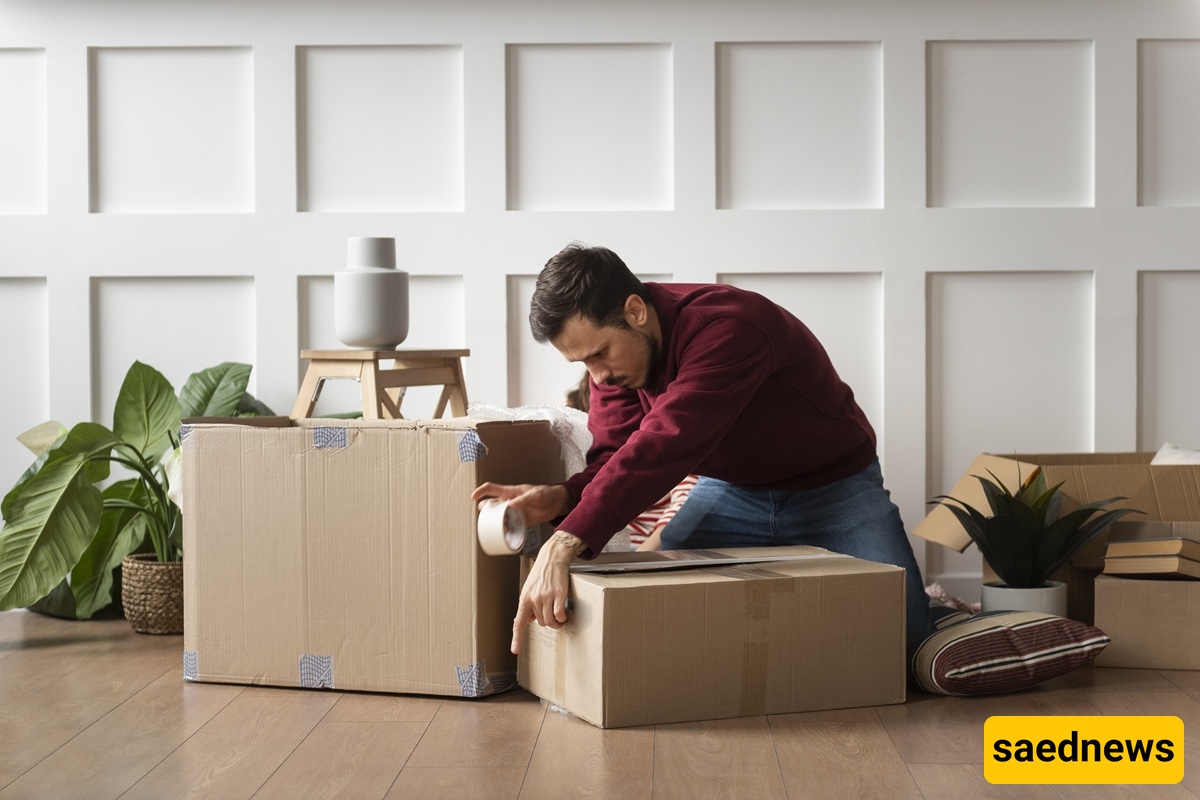
For proper packing, clearly write the name of the destination room and a list of the main contents on each box using a marker. This significantly speeds up organization in the new home. Also, attach labels firmly and make sure they are clearly readable for quicker access.
Don’t turn your entire house upside down at once
If you have help, assign each person a specific section or room. If you are alone, avoid moving on to another area until one room or section is fully packed. This helps prevent clutter and confusion.
Place each packed item directly in its designated spot in the new home
During unloading, a responsible person should be present at the new location to guide the movers directly. The goal is to ensure that boxes are placed as close as possible to their final destinations, based on the room names written on the labels. This prevents boxes from piling up in one central area and eliminates the need for repeated rearranging in the following days.
Get help from family members
Never open boxes before deciding where items will go, as this can disrupt the intended organization and prevent things from being placed properly. In the new home, assign each area to a specific person and make each individual responsible for arranging their own belongings so they can organize them according to their own preference.