SAEDNEWS: What Can I Use Instead of a Rolling Pin? 7 Creative Home Alternatives for Rolling Out Dough
According to Saednews, You’ve probably experienced this: you’re in the middle of following a recipe when you suddenly realize you don’t have a rolling pin. Or maybe you do, but it’s just been washed or you simply forgot to buy one. Don’t worry! In this article, we introduce 7 rolling pin alternatives that can be found in almost every home.
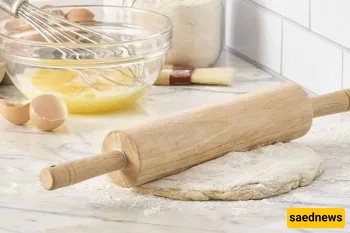
A rolling pin is a cylindrical kitchen tool used to flatten and shape different types of dough. From bread and pizza dough to pastry and cookie dough, it helps roll everything out to the desired thickness. But sometimes, for various reasons, a rolling pin isn’t available.
The good news is that almost any smooth, cylindrical object can act as a rolling pin. You just need a bit of creativity.
Below are some of the best substitutes you can find in your kitchen.
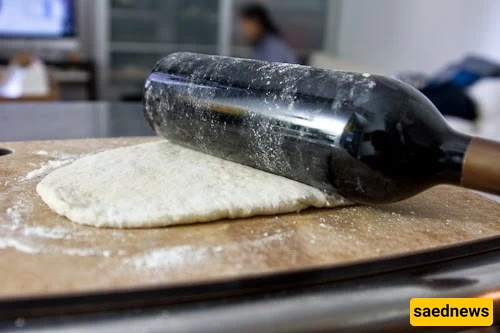
A round glass bottle—such as a lemon juice, syrup, or soda bottle—is one of the best options. Glass bottles are usually heavy enough and have a perfect cylindrical shape.
Tips for use:
Fill the bottle with water to make it heavier and increase pressure on the dough
Lightly dust the bottle with flour to prevent sticking
Make sure the outside of the bottle is completely clean
A glass with smooth, straight sides can also work well as a rolling pin. Glass cups are especially better due to their weight.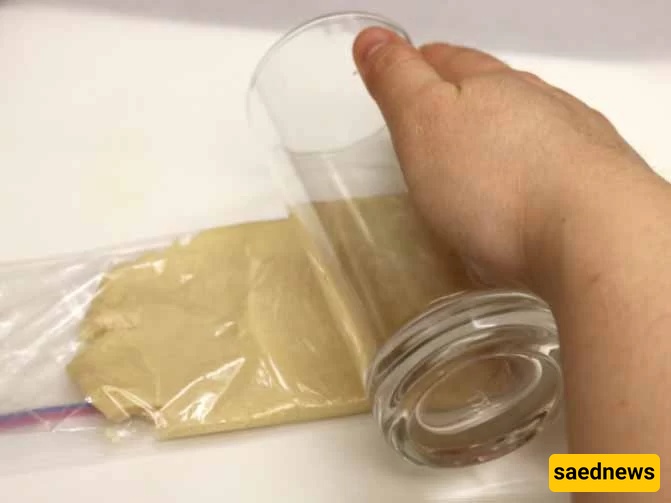
Tips for use:
Choose a sturdy glass with a thick rim
Avoid applying too much pressure on the edges to prevent breaking
Sprinkle flour on the glass before use
For small dough portions, you can use two flat trays or plates. This method works especially well when you don’t need very thin dough.
How to use:
Place the dough ball on a floured tray
Press it down with another tray
Rotate the dough and press again
If you have a clean piece of PVC pipe at home, it can be used as a rolling pin.
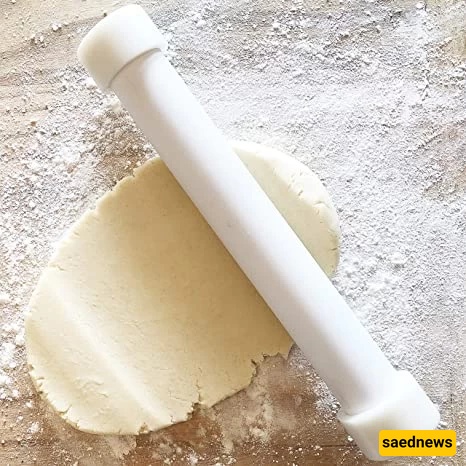
Important tips:
Only use a new, completely clean pipe
Wash it thoroughly with warm water and dish soap before each use
You can cut it to size to make a permanent kitchen tool
A smooth cylindrical wooden object (such as a broom handle or wooden rod) can also replace a rolling pin.
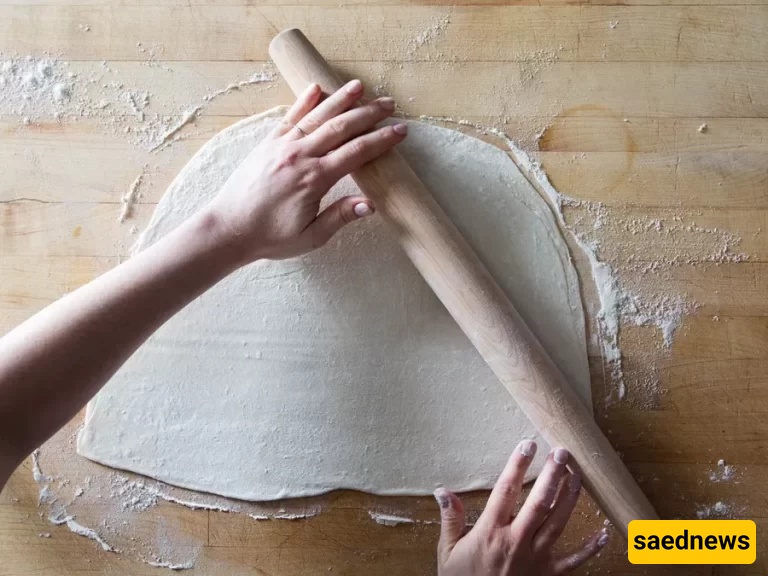
Tips for use:
Wash and dry it thoroughly
Make sure there are no splinters or rough surfaces
Use plastic wrap over the dough to prevent sticking
Long metal cans (such as large soda cans or spray cans) can also work as a substitute.
Note: Make sure the can is completely clean before use and dust it with flour.
If none of the above options are available, your hands are always an option. While they won’t make the dough as even as a rolling pin, they work in emergencies.
How to use:
Dust your hands with flour
Press and gently flatten the dough using your palms
Rotate the dough regularly for even thickness
Use flour or oil: To prevent sticking, always dust the tool with flour or lightly oil it. Sweet doughs may require more flour.
Apply even pressure: Try to distribute pressure evenly so the dough thickness remains consistent.
Rotate the dough: Turn the dough frequently to ensure a round and even shape.
Be careful with glass items: Avoid applying too much pressure when using glass bottles or cups, as they may crack or break.
If you bake bread or pastries regularly, it’s better to invest in a proper rolling pin. Common types include:
Wooden rolling pin: The most popular type, durable with good weight
French rolling pin: Handle-free design offering better control and ideal for thin dough
Marble rolling pin: Heavy and cool, great for temperature-sensitive doughs
Instead of a rolling pin, you can use: a glass bottle, cylindrical glass, tray, PVC pipe, wooden stick, metal can, or even your hands.
The most important thing is that the tool is smooth, clean, and cylindrical so you can roll the dough evenly without tearing it. With a bit of creativity, you’ll never worry about not having a rolling pin again.