Saed News: The results of a new study suggest that an anti-inflammatory drug that has been used for years to treat rheumatoid arthritis may help reduce symptoms of depression in patients who have not responded adequately to standard treatments.
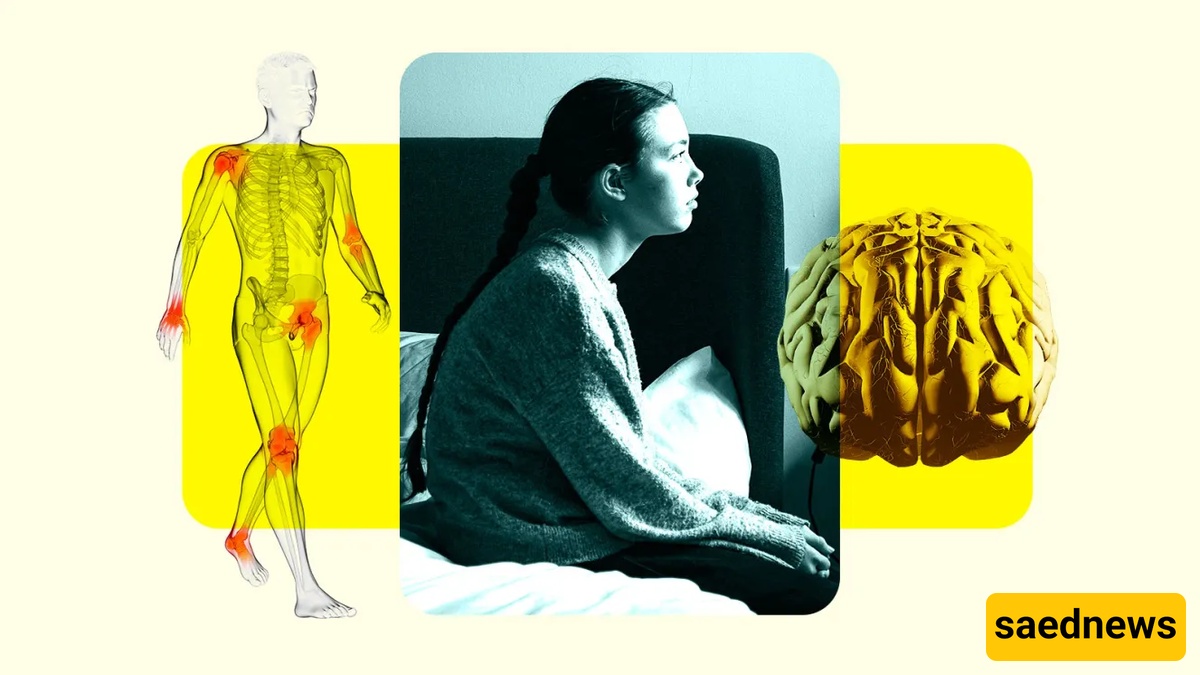
According to SAEDNEWS, scientists believe this finding could open a new path in the treatment of depression—a path that, instead of focusing on brain chemicals, targets the role of the immune system and inflammation.
This study, conducted by researchers at the University of Bristol and published in the journal JAMA Psychiatry, examined the effects of the drug “tocilizumab.” This medication is commonly prescribed for inflammatory and autoimmune diseases such as rheumatoid arthritis.
While most antidepressants act on neurotransmitters such as serotonin, dopamine, and norepinephrine, about one-third of patients do not respond adequately to these treatments.
Recent research has shown that chronic inflammation may play a role in the development of depression in some individuals. Estimates suggest that about one-third of people with depression show signs of mild inflammation in the body.
One of the most important inflammatory factors studied by scientists is a protein called interleukin-6 (IL-6), which plays a key role in inflammatory processes in the body.
In this clinical trial, 30 patients with moderate to severe depression who had not responded to standard treatments participated. All of them showed signs of mild inflammation in blood tests.
Among the participants, 14 received tocilizumab and 16 received a placebo, and they were monitored for four weeks.
Although no statistically significant difference was observed between the two groups due to the small sample size, those who received the anti-inflammatory drug showed better results in reducing symptoms of depression, anxiety, fatigue, and improving quality of life.
The rate of full recovery in the treatment group reached 54%, compared to 31% in the placebo group.
Researchers believe these findings could pave the way for a new generation of depression treatments—therapies designed based on each patient’s biological characteristics.
However, the researchers emphasize that this study was small in scale, and larger clinical trials are needed to confirm the effectiveness and safety of this approach.
If future studies confirm these findings, anti-inflammatory drugs could become a new option for treating millions of patients with treatment-resistant depression worldwide—a development that could also transform scientists’ understanding of the root causes of this condition.