SAEDNEWS: Grape molasses, or doushab, is a highly nutritious and energizing substance with a warm nature that offers exceptional benefits for overall health and helps improve various conditions.
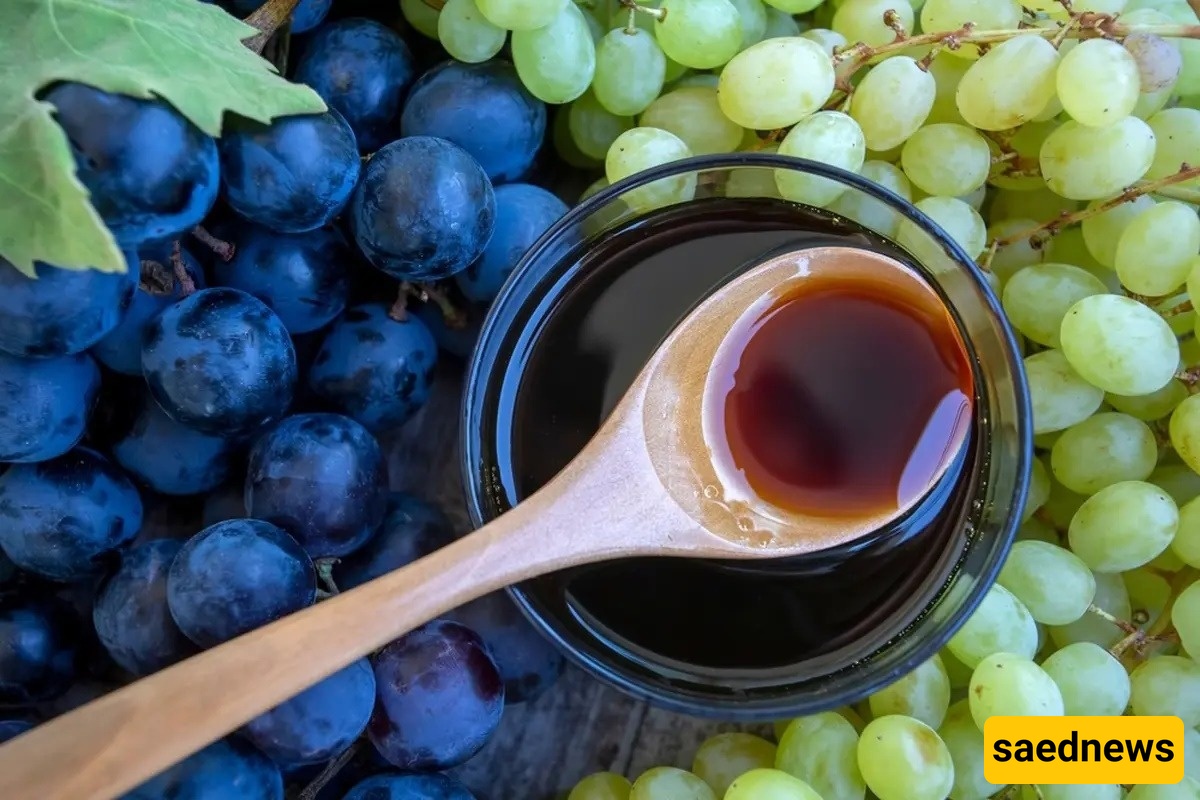
According to Saednews, Grape molasses, known in traditional Persian medicine as debs or dooshab, is made by concentrating grape juice. It is a nutrient-rich food containing various vitamins and minerals and offers many health benefits. Below you will find its temperament and most important properties.
Grape molasses has a warm and moist temperament and is beneficial for people with a cold constitution. Its corrective companion (moseleh) in traditional medicine is basil seeds.
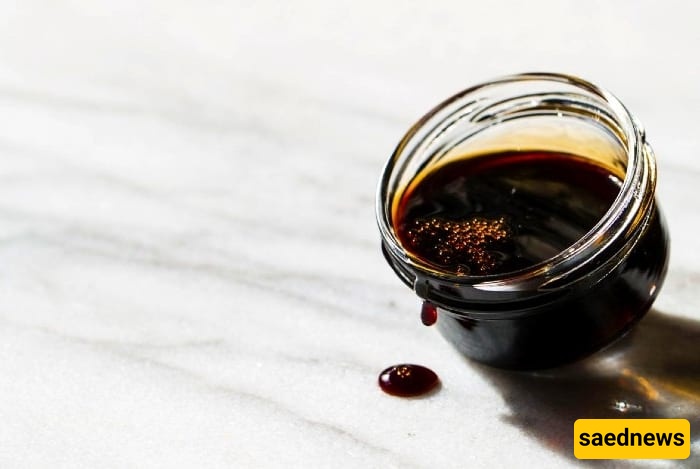
Grape molasses is rich in vitamins A, B, and C, as well as minerals such as iron, magnesium, phosphorus, potassium, and calcium. These nutrients play an important role in strengthening the immune system. Its antioxidants may help increase white blood cells and improve the body’s resistance to disease.
Due to its natural sugars and high calorie content, it provides a quick source of energy and helps relieve fatigue.
Because of its high sugar content, grape molasses should be consumed with caution by people with diabetes. Nutrition experts recommend that diabetic individuals consume no more than one teaspoon per day. Excess consumption may disrupt blood sugar balance, so medical consultation is advised.
Grape molasses contains antioxidants and vitamin C, which may support uterine health by reducing inflammation and strengthening uterine tissues. It may also help regulate the menstrual cycle and hormonal balance.
Its iron and folic acid content may help prevent anemia during pregnancy. Vitamins B-complex, calcium, zinc, and magnesium support fetal development and may reduce the risk of certain birth defects.
It provides energy for mothers, supports physical strength, and may improve breast milk quality and infant growth when consumed in moderation and under professional guidance.
In traditional medicine, its warm nature may help increase libido in individuals with a cold temperament. It may improve blood circulation, support erectile function, and contribute to hormone production and sperm quality due to its nutrient content.
Grape molasses contains iron and vitamin B12, which help in red blood cell production. One to two tablespoons daily may help improve anemia.
Its potassium content also supports better blood circulation and may reduce risks such as heart attack, embolism, and varicose veins.
Its antioxidants help neutralize free radicals, potentially reducing cellular damage and supporting immune function. It may also help reduce inflammation and some side effects of chemotherapy.
Natural sugars and vitamins in grape molasses support brain cell function and energy supply. It may help improve memory and reduce age-related cognitive decline.

Magnesium, iron, and antioxidants help improve nervous system health. Magnesium supports relaxation and mood balance, while iron improves oxygen delivery to brain cells, reducing fatigue and symptoms of depression.
It helps cleanse the stomach and intestines, reduces bloating, and supports waste elimination, improving overall digestive function.
In traditional medicine, it is considered helpful for opening and relieving liver blockages. It is often recommended with grape vinegar for liver support.
It has soothing and anti-inflammatory effects on the throat and can reduce cough when consumed diluted with warm water or used as a gargle.
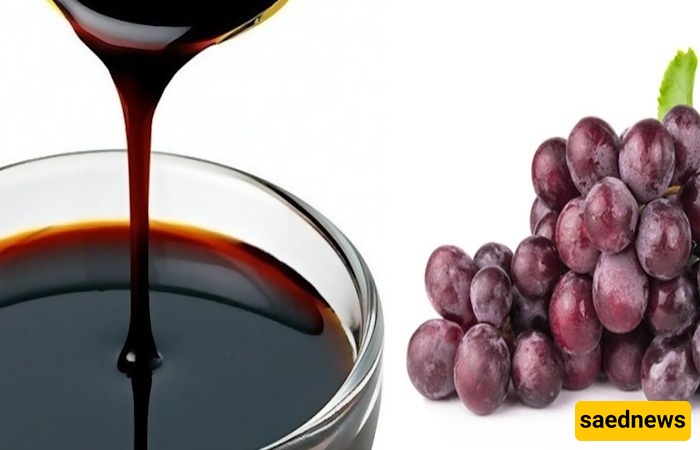
With approximately 329 calories per 100 grams, it is recommended for underweight individuals to help gain weight and increase energy. Excess consumption is not recommended for overweight or inactive individuals.
Its antioxidants and nutrients improve blood circulation and skin health, helping reduce wrinkles, improve skin tone, and slow aging. It may also help reduce blemishes and inflammation.
It contains linoleic acid, vitamin E, and antioxidants that support hair health, reduce hair loss, and improve scalp circulation due to its iron and vitamin B12 content.

It supports growth, boosts immunity, prevents anemia, improves digestion, and increases appetite. It is especially useful for weak or recovering children.
Although calorie-dense, it can be used in small amounts as a natural sweetener in weight-loss diets. Recommended intake is 1–2 tablespoons per day.
It is considered a highly nourishing food that increases energy, strengthens immunity, improves digestion, enhances memory, and reduces stress. It is often consumed before breakfast or after meals depending on the desired effect.
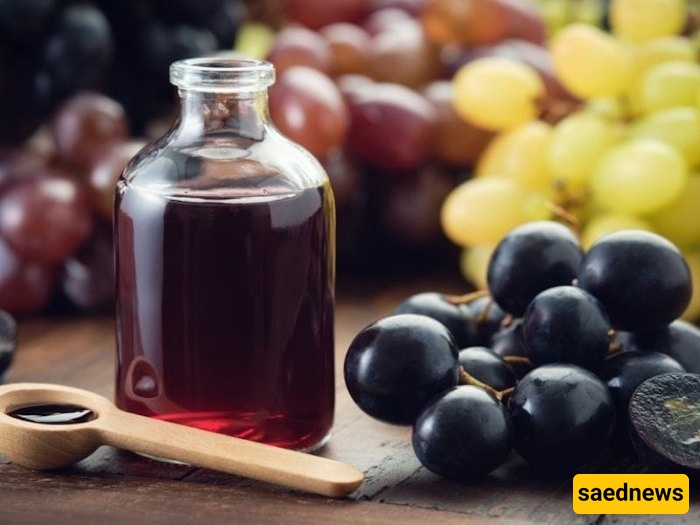
Common uses include:
Mixed with water as a drink
Combined with sesame paste (arreh) as a breakfast
Added to desserts like halva or rice pudding
Mixed with warm water for cough relief
It is especially beneficial during winter and can be taken in the morning for energy or before sleep for relaxation.
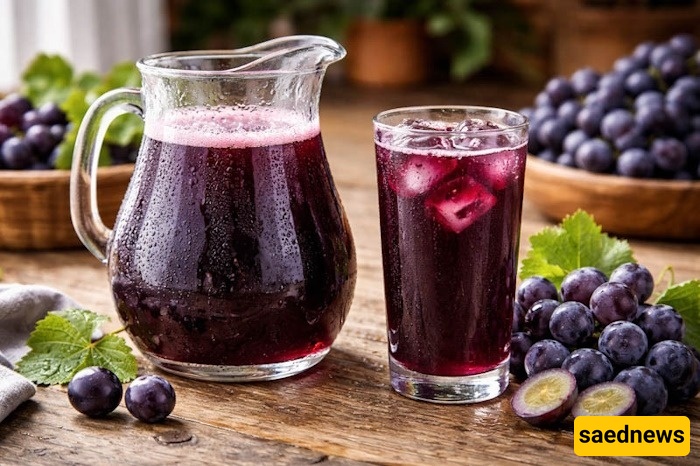
Mix grape molasses with warm water until fully dissolved. To balance sweetness, add lemon juice, vinegar, or sour grape juice. Chill or serve with ice for a refreshing drink.
With walnuts: Helps improve anemia and blood health
With milk: Strengthens bones and boosts energy
With tea: Enhances antioxidant intake and energy
With warm water: Reduces fatigue and improves sleep
Adults: 1–3 tablespoons daily
Children: 1–3 teaspoons daily
Excess consumption may lead to increased body heat, acne, headaches, and bile imbalance. Due to its high sugar content, it is not suitable for diabetics and may cause weight gain if overused.