SAEDNEWS: Prenatal vitamins are very important for fetal growth and weight gain. These vitamins help the fetus gain weight. For optimal fetal weight gain during pregnancy, it is better to take vitamins regularly.
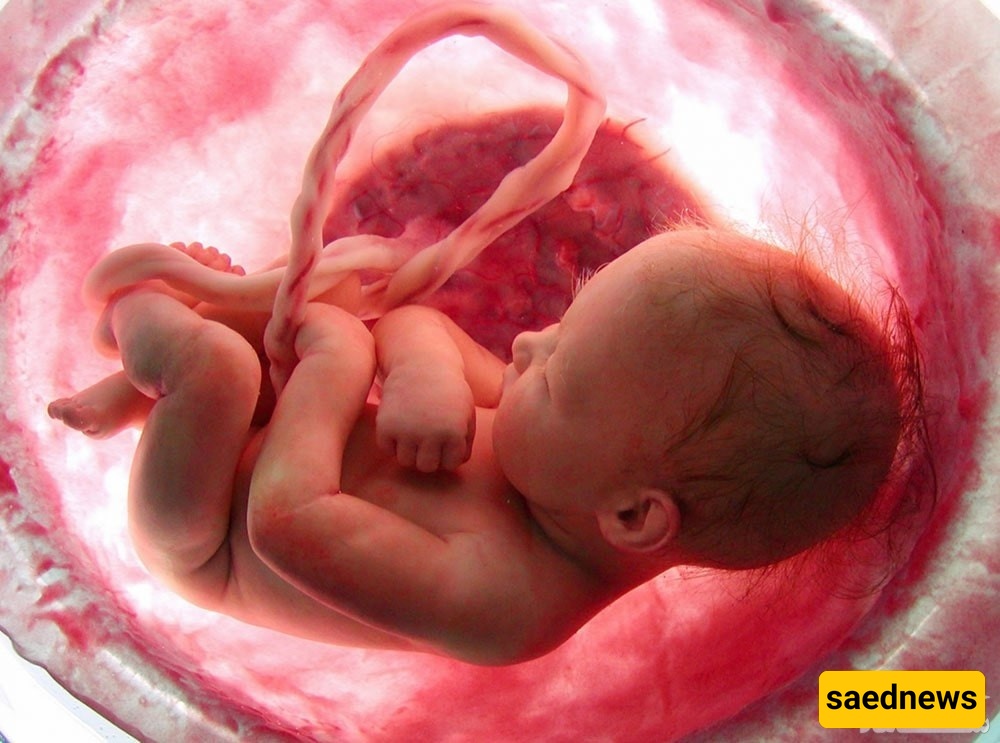
According to a report from Saed News Family Magazine, many pregnant mothers worry that their baby may not gain enough weight during each month of pregnancy. This concern is especially common among those experiencing morning sickness and reduced appetite, which can make proper nutrition difficult. However, understanding effective ways to support fetal growth can help compensate for early pregnancy weight concerns.
Most pregnant women undergo their first ultrasound during the first trimester. During this scan, specialists assess fetal growth using several measurements, including:
Femur length (FL)
Head circumference (HC)
Abdominal circumference (AC)
Biparietal diameter (BPD)
Humerus length (HL)
Using these parameters, the ultrasound specialist estimates fetal weight and gestational age. They also provide an estimated due date (EDD) for delivery.
Nutrition plays a central role during pregnancy. To support healthy fetal weight gain, it is important to include fruits, vegetables, whole grains, meat, and poultry in your diet.
A healthy pregnancy diet should include a variety of nutrient-rich foods such as fruits, vegetables, whole grains, meat, and chicken.
A balanced diet can also include nuts and dried fruits such as almonds, apricots, figs, walnuts, and others, whether fresh or dried.
Prenatal vitamins are essential for fetal growth and weight gain. Regular supplementation helps ensure that both mother and baby receive necessary nutrients.
Adequate fluid intake is very important during pregnancy. Dehydration can lead to serious complications. Drinking water, natural fruit juices, and milk supports both maternal and fetal health.
Rest is essential during pregnancy. Excess physical strain can negatively affect fetal development. At least 8 hours of quality sleep is recommended to maintain energy and support healthy growth.
Mental health is equally important. Stress and anxiety may affect fetal development and reduce appetite, which can indirectly impact fetal health.
Sweet potatoes are rich in fiber, potassium, vitamin C, vitamin B6, iron, copper, and beta-carotene. Beta-carotene is converted into vitamin A in the body, which is essential for skin, bone, and eye health. They also help improve iron levels.
Lentils and legumes are high in protein and iron. They also provide fiber, folate, and calcium, making them especially important for vegetarians.
Fresh orange juice is a good source of vitamin C, potassium, and folate. Folate is essential during pregnancy and helps reduce the risk of birth defects.
Yogurt contains calcium, protein, vitamin B, and zinc, all important for bone development. Adequate calcium intake may reduce the risk of premature birth and low birth weight.
Salmon is rich in omega-3 fatty acids and protein. Omega-3 supports brain and eye development. It is considered safe for pregnant women due to its low mercury content.
Vegetables such as spinach, cabbage, broccoli, and asparagus are rich in antioxidants and essential nutrients that support fetal growth.
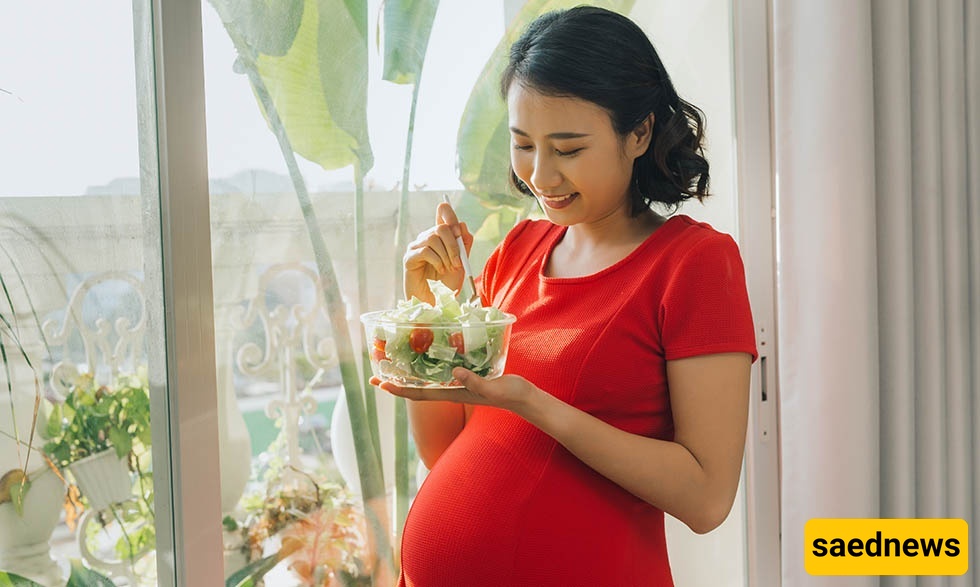
Eggs are a strong source of protein, vitamin A, vitamin D, iron, and folate. They support fetal development and help prevent birth defects and low birth weight.
Daily consumption of 200–500 ml of milk can support fetal weight gain. Milk provides protein and calcium essential for growth.
Chicken is a lean protein source rich in iron and helps support muscle and cell development while reducing the risk of anemia in both mother and baby.
Soy is a high-protein plant-based option, especially useful for vegetarians. It also contains iron and helps prevent anemia.