SAEDNEWS: White bumps or pimples may sometimes appear on the lips and affect appearance. Some are harmless and disappear on their own without treatment, while others may be more serious depending on their nature and symptoms.
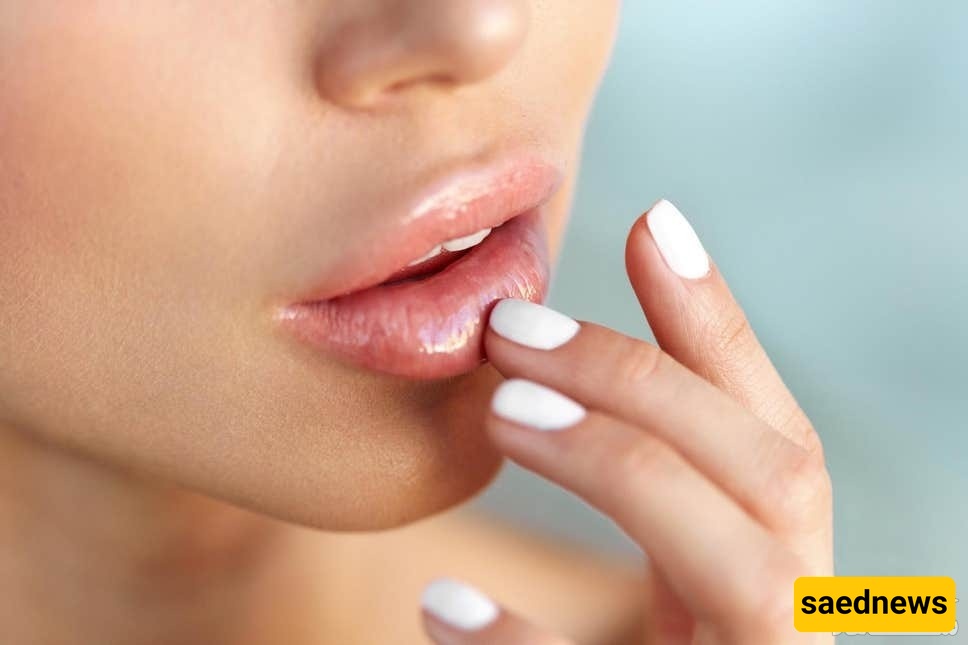
According to Saednews reports, sometimes small white bumps or pimples appear on the lips, which can affect appearance. Some of these bumps are harmless and disappear on their own without treatment after a short time, while others may be more serious depending on their nature and symptoms. Possible causes of white bumps on the lips include contagious diseases, oral cancers, and allergic reactions.
These small yellow or white bumps may appear as multiple clustered spots. In fact, they are sebaceous glands without hair follicles. Generally, people who develop these white bumps may have higher levels of skin oil (sebum).
From birth, these bumps can exist beneath the skin as small sebaceous gland structures. Statistics show that they are more common during adolescence, and about 80 to 95 percent of teenagers and even adults experience them at least once, especially on the lips.
The lips play an important role in facial appearance, and the presence of white bumps may cause discomfort. While most of these bumps are harmless, in some cases they may be associated with serious conditions such as oral cancer. Medical care and proper evaluation can help ensure health and safety.
Milia are small white or yellow cysts or lumps that form on the skin. They are commonly found around the eyes and cheeks but can appear anywhere on the face or body. Multiple milia often appear in clusters, especially in newborns, where they are sometimes called “milk spots.”
Unlike pimples or acne, milia are harder in texture—feeling like a small grain under the skin—and they do not show redness or inflammation. They are not contagious or harmful, but may be cosmetically concerning, especially when located in visible areas like the face. Milia may take a long time to disappear naturally, but simple treatments can help remove them.
There is no definitive cause for Fordyce spots, but one theory suggests that they are present in the skin from birth and become visible during puberty. These spots are similar to sebaceous (oil) glands and are not infectious or contagious.
They are sometimes mistaken for sexually transmitted diseases or oral conditions because early-stage infections may also cause similar-looking bumps. However, Fordyce spots are harmless. People with higher skin oil levels or high-fat diets may have more noticeable or numerous spots.
The first question is whether treatment is necessary. According to dermatologists, milia often do not require treatment and may resolve on their own.
However, for those who wish to remove them, several treatment options exist. These include exfoliating agents such as granular cleansers and exfoliating brushes. If these methods are not effective, dermatologists may use procedures like microdermabrasion to remove the bumps.
Not all cases require medical treatment, and some people improve with simple home care and skincare routines.