SAEDNEWS: After a person becomes infected with the virus, they may unfortunately remain a lifelong carrier of the genital warts infection. Any sexual contact with a healthy partner can lead to transmission and infection. The severity of the condition varies depending on the type of virus involved.
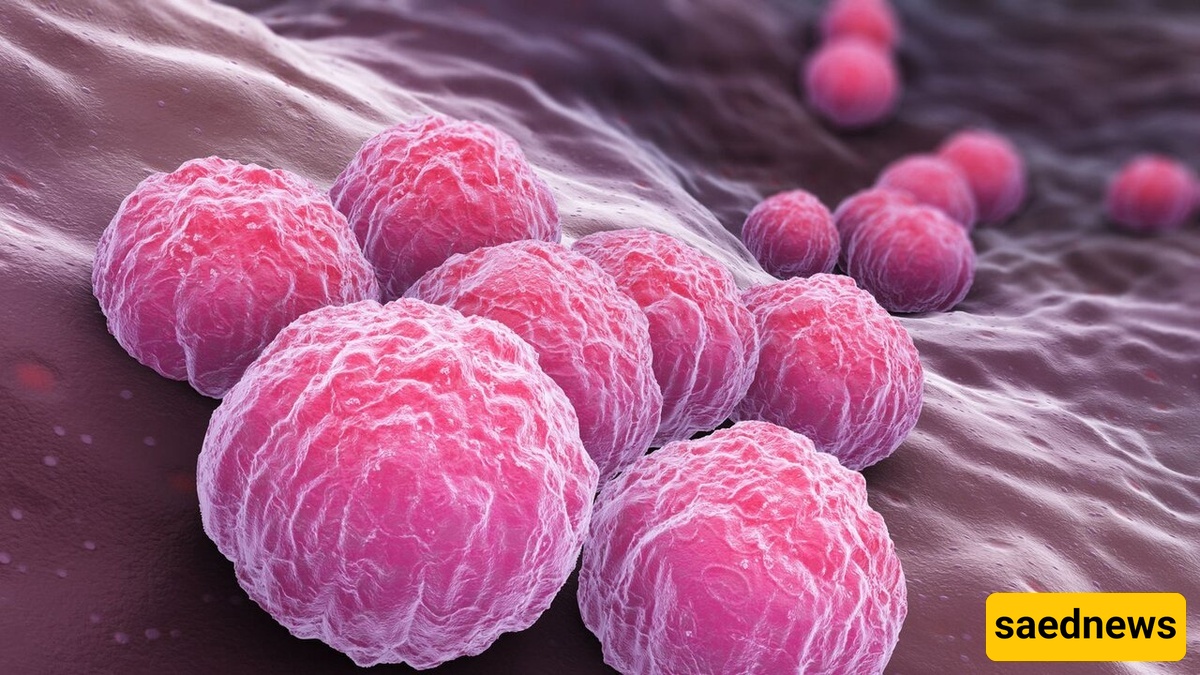
According to Saednews family health report, prevention is always better than treatment. Raising awareness about how the genital wart virus is transmitted plays an important role in preventing its spread. Genital warts are caused by the human papillomavirus (HPV), which has multiple types. Due to its variety and its high rate of sexual transmission, many young people are affected today. The main cause of transmission is lack of awareness and sexual contact with an infected person.
A single sexual contact is enough to transmit the virus from male to female or vice versa. Because of the virus’s strong tendency to spread, even condom use does not provide complete protection. Condoms only cover part of the affected area. Therefore, despite using condoms, areas such as the male scrotum, the skin around the vaginal opening in women, and the pubic region can still become infected during sexual contact with an infected partner.
After infection, a person may unfortunately become a lifelong carrier of the virus, and any sexual contact can transmit the infection to healthy individuals. The severity of infection varies depending on the type of virus.
Due to the variety of HPV types, a definitive cure-all vaccine does not exist. However, HPV vaccines available today provide partial protection and are effective only for individuals who have not yet been infected. Therefore, vaccination during adolescence—before sexual activity—is recommended for both boys and girls. For individuals already infected, vaccination has no therapeutic effect and is not recommended.
Podophyllin: A chemical solution applied directly to lesions. However, due to skin irritation and long treatment duration (1 to 3 months), its use is limited.
Laser therapy: Can remove warts but may cause spread to surrounding healthy areas and is expensive, so it is not usually a first-line treatment.
Electrocautery and surgery: These methods may cause skin damage and scarring and have a higher chance of recurrence, making them less popular.
Imiquimod cream: Works by stimulating the immune system but has relatively weak effectiveness.
Cryotherapy (freezing treatment): Currently considered one of the best treatment options due to its simplicity, speed, and low complication rate.
Warts can be removed in a single session, often within 5–10 minutes.
It does not spread the infection.
Usually does not require repeated treatments.
Causes minimal skin damage and has better cosmetic results compared to other methods.
It is an outpatient procedure with minimal pain and irritation.
For these reasons, cryotherapy is widely used as a first-line treatment in many medical centers.
Prevention is better than treatment; avoid high-risk sexual behavior to prevent HPV infection.
Condom use does not fully prevent HPV transmission.
Vaccination is only effective before infection.
Any unusual skin growth in the genital area should be evaluated by a doctor.
HPV vaccination before marriage can help reduce infection risk.
Avoid touching or removing lesions without medical supervision.
Avoid shaving the genital area with a razor if infected, as it may spread the virus; use safer hair removal methods instead.
Cryotherapy is considered one of the safest and most effective treatment methods.