SAEDNEWS: Taking selfies has become part of everyday life for some people, raising certain concerns. However, a piece of good news has emerged for those who frequently take selfies—an update that is both surprising and intriguing.
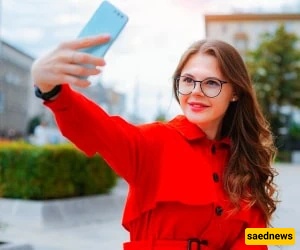
According to SAEDNEWS, Taking selfies—photos captured with the front-facing camera of a mobile phone—has become one of the most common uses of smartphones for many of us. Ever since front cameras became more advanced and social media platforms like Instagram gained popularity, selfies have become part of everyday life. Viewing these images, which are often edited or retouched, can have an impact on our self-esteem. But do selfies reflect high or low confidence? Let’s explore.
Research suggests that people who take selfies frequently tend to have higher self-esteem. The term “selfie” literally means taking a portrait of oneself. While some believe this behavior reflects a desire for attention, studies indicate a meaningful and positive relationship between sharing selfies and self-esteem. Importantly, taking selfies is not necessarily linked to narcissism.
So, for those who enjoy taking selfies, the good news is that this habit may be associated with greater self-confidence—provided the photos are not taken solely for posting on social media or heavily filtered.
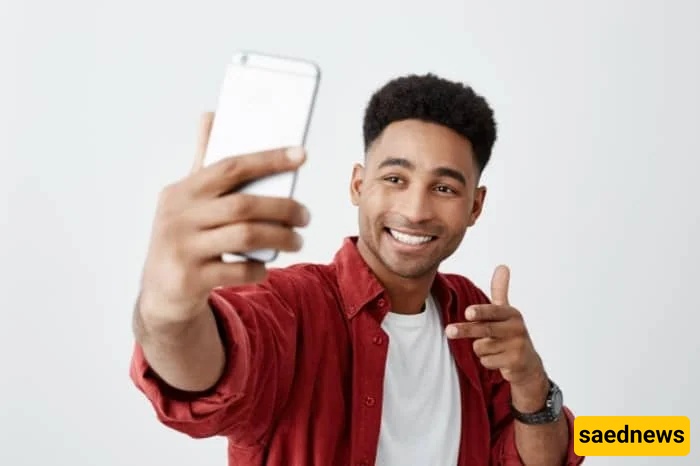
However, some psychologists warn about the potential negative effects of sharing selfies online. While taking selfies itself may have a positive influence on mental well-being, posting them on social media can lead to emotional harm.
Editing and sharing these images can negatively affect confidence. When people alter their photos, they may become more focused on perceived flaws, which can lower their self-esteem over time.