SAEDNEWS: In times of war, political crises, and social unrest, “war anxiety” becomes one of the most prevalent psychological reactions.
According to Saed News’ social affairs report, this type of anxiety often comes with insomnia, irritability, intrusive thoughts, and persistent worry. But an important question remains: can diet actually help reduce anxiety during war?
Dr. Maryam Samani, a clinical psychologist and university professor, explains that, based on recent research in Nutritional Psychiatry, the answer is “yes.” Studies show that nutrition directly affects the stress axis (HPA Axis), brain inflammation, and neurotransmitter function (such as serotonin and GABA). Simply put, what we eat can either reduce or worsen anxiety.
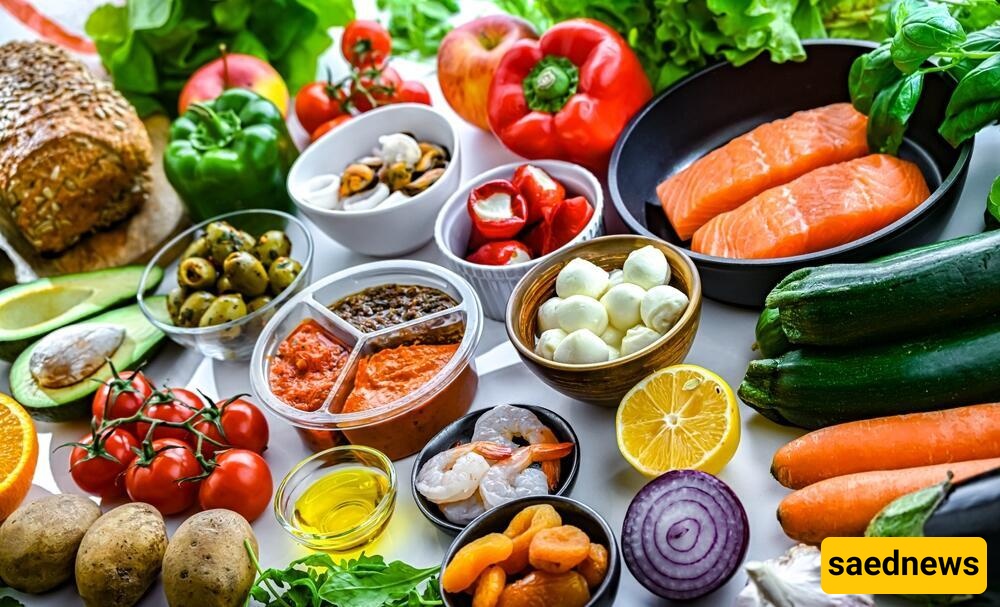
Dr. Samani highlights several studies: a 2024 study published in BMC Psychiatry found that omega-3 fatty acids are associated with reduced anxiety symptoms. Omega-3s help lower brain inflammation, regulate serotonin, and improve neural flexibility. She recommends foods like salmon, walnuts, and flaxseeds during wartime.
Another important nutrient is magnesium. A 2024 study shows that magnesium intake can reduce anxiety and improve sleep quality by increasing GABA—a calming neurotransmitter—and decreasing neural excitability. Foods such as spinach, almonds, and dark chocolate are advised.
Dr. Samani adds that a 2025 study in Psychiatric Annals found the Mediterranean diet is linked to lower levels of anxiety and depression. Diets high in vegetables, fruits, fish, and olive oil, while low in processed foods, play a key role in managing war-related anxiety.
Research published in Nutrients in 2022 also shows that diets rich in probiotics and fiber help reduce anxiety, as the gut—often called the “second brain”—plays a crucial role in mood regulation.
Dr. Samani warns against excessive consumption of sugar and sweetened drinks during wartime. High intake of simple sugars causes blood sugar spikes, increases inflammation, and exacerbates anxiety.
A 2023 study in Frontiers in Nutrition found that processed foods are linked to a higher risk of anxiety and depression. She also notes that caffeine can overstimulate the nervous system under chronic stress, such as war, intensifying anxiety symptoms.
War anxiety is not just a psychological issue—it is a biopsychosocial condition in which nutrition plays a direct role.
Dr. Samani emphasizes: “Start at the table. In a world where war news can unsettle the mind, one of the simplest, most accessible, and scientifically supported ways to manage anxiety is by improving daily nutrition.”