SAEDNEWS: It’s likely happened to you that after a delayed period you start wondering, “Am I pregnant?” and decide to take a test. One of the more accurate methods for detecting pregnancy is a blood pregnancy test.
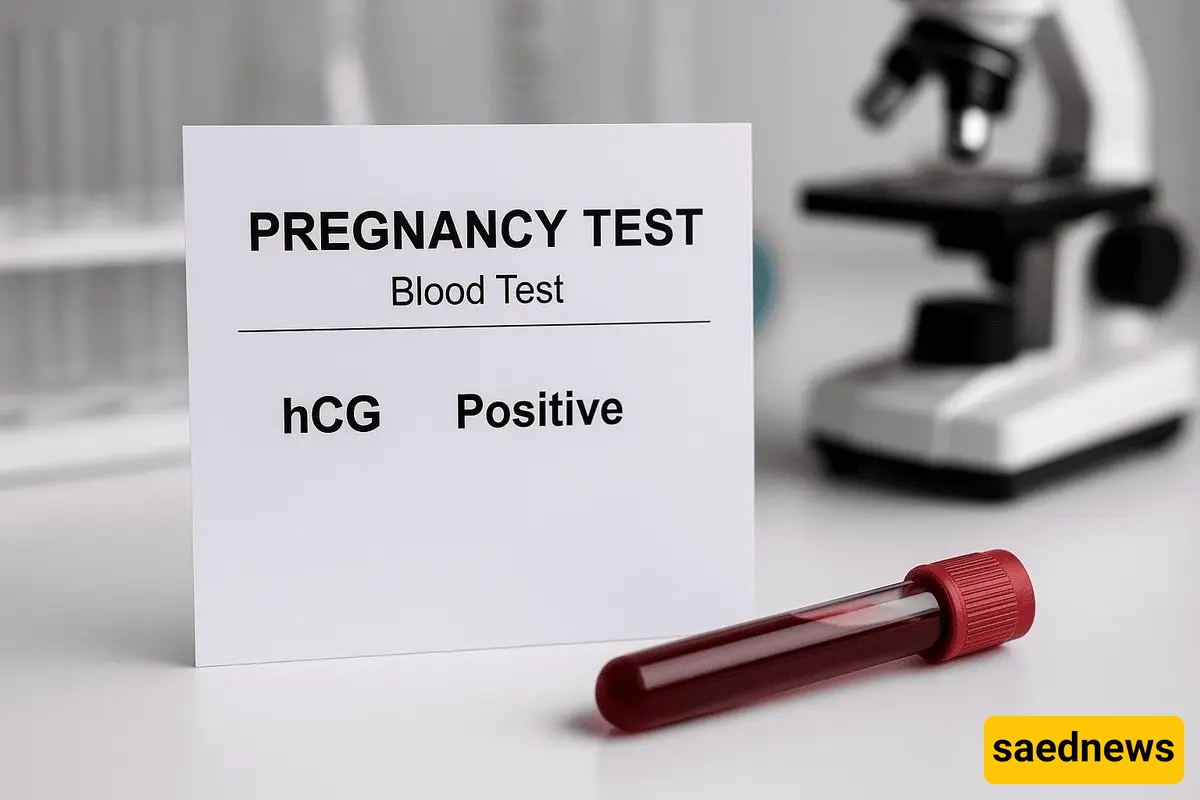
According to the Family Magazine section of Saed News, a pregnancy blood test can, depending on the situation, detect pregnancy much earlier than a home pregnancy test or urine test. At-home testing services can also provide a more convenient starting option. In this article, we will explore when a pregnancy blood test becomes positive, how it works, what factors influence its results, and how to approach it with greater peace of mind.
When a fertilized egg implants in the uterus, the developing placenta begins producing a hormone called hCG. This hormone appears much earlier than many other signs of pregnancy.
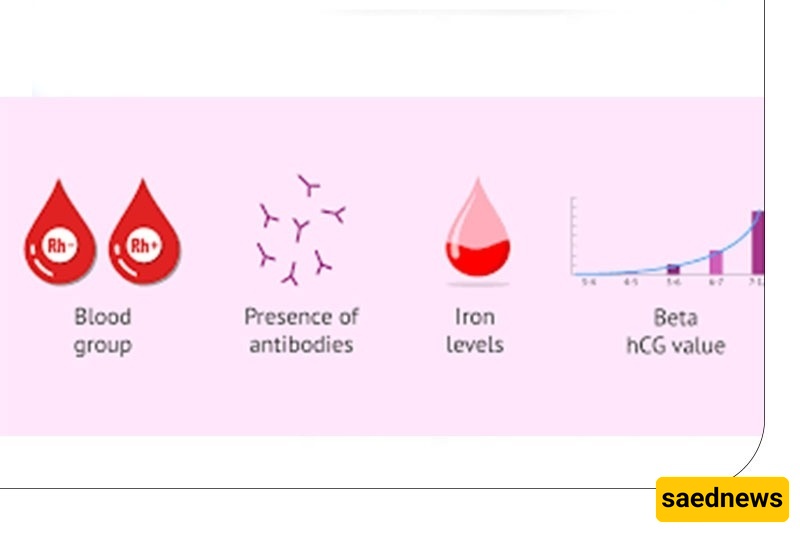
A pregnancy blood test measures the level of hCG in the mother’s blood after conception.
There are two main types of this test:
Qualitative blood test: Only shows whether hCG is present or not.
Quantitative blood test: Measures the exact amount of hCG and can also estimate the approximate stage of pregnancy.
In other words, a blood pregnancy test detects hCG much more accurately and earlier than a urine test.
One of the most common questions is: When can I take the test?
A blood pregnancy test can detect hCG approximately 6 to 8 days after fertilization.
Many sources suggest that around 10 to 11 days after fertilization is an appropriate time for testing.
In comparison, urine pregnancy tests usually become reliable 10 to 14 days after fertilization (or after a missed period).
Test Method | When It May Turn Positive | Explanation |
|---|---|---|
Quantitative blood test | ~6–10 days after fertilization | Most sensitive method |
Qualitative blood test | ~10–11 days after fertilization | Detects presence or absence of hCG |
Home urine test | ~12–14 days after fertilization or after missed period | Less expensive but later detection |
If the test is taken too early, it may show a negative result simply because hCG levels are still low—not because pregnancy is absent. Timing is therefore very important.
Because a blood test can detect extremely small amounts of hCG in the bloodstream—before it becomes detectable in urine.
In short, blood reflects biochemical changes in the body faster than urine, and laboratory equipment is also more sensitive.
That is why, if early confirmation is needed (for example, before taking medication or for medical decisions), a blood test is the best option.
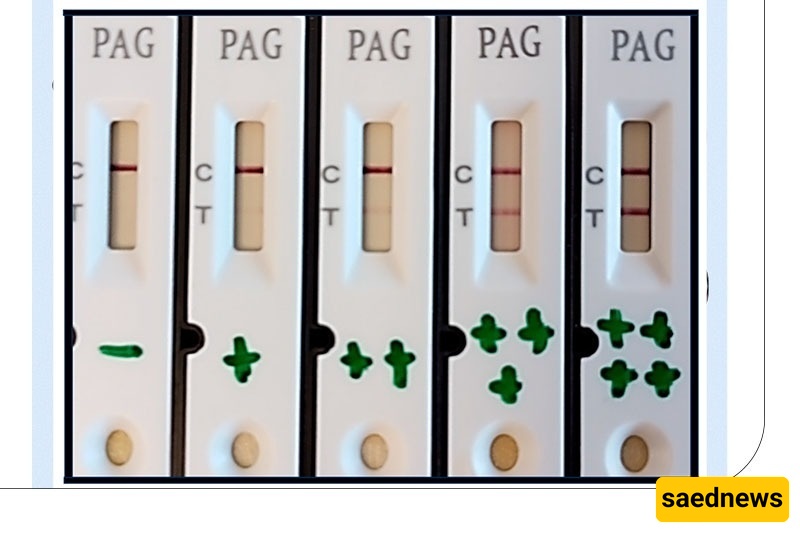
Several factors can influence the result. If any of these are present, a false negative or delayed positive result may occur:
Timing of fertilization and testing: Too early testing may not detect hCG yet.
Implantation timing: Late implantation delays hCG production.
Multiple pregnancy: Twin pregnancies may increase hCG levels faster.
Health conditions or medications: Some drugs may affect results.
At-home testing services must also follow strict standards to ensure reliable results.
If visiting a lab is difficult or inconvenient, at-home testing services are a good option. In this method, trained personnel collect a blood sample at home, send it to a certified laboratory, and the results are delivered online or by phone.
With this service, testing can begin as early as the first missed period or when pregnancy is suspected. However, proper timing is still essential for accurate results.
Always consult a doctor about your results, especially if the test is negative but symptoms persist.
If the result is positive, medical follow-up and prenatal care should begin.
If the result is negative but your period does not start, wait a few days and repeat the test.
If using at-home testing, ensure the service is performed by a certified laboratory.
A blood pregnancy test is only the first step; ultrasound and further evaluations are also necessary.
Test Result | Next Step |
|---|---|
Positive | Visit a doctor to begin prenatal care |
Negative + no period | Wait a few days and repeat the test |
Negative + period arrived | Likely not pregnant; investigate delay causes |
Positive at home without lab confirmation | Repeat test at a certified lab |
1. How early can a pregnancy blood test be taken?
It can be taken about 6 to 8 days after fertilization, but waiting until after a missed period improves accuracy.
2. What if the blood test is negative but my period hasn’t arrived?
You may have tested too early. Wait a few days and retest or consult a doctor.
3. Is at-home pregnancy blood testing reliable?
Yes, if performed by certified professionals and analyzed in an accredited laboratory.
4. Is a blood test better than a urine test?
Yes, it is more accurate and detects pregnancy earlier, while urine tests are simpler and cheaper.
5. What should I do after a positive result?
Visit a doctor to begin prenatal care and further testing.
If you suspect pregnancy, a blood pregnancy test is one of the most reliable methods available. Timing is crucial, as testing too early may lead to false-negative results.
At-home testing services can also reduce the stress of visiting a clinic and make the process more convenient.
Your body is going through one of life’s most significant changes—approach it with awareness and calm to make the journey smoother and more reassuring.