SAEDNEWS: Bubbling in whipping cream is a common problem when preparing desserts and cakes, affecting both the appearance and texture of the final product. In this article, we explore the main causes of bubbles in whipping cream and effective ways to prevent them.
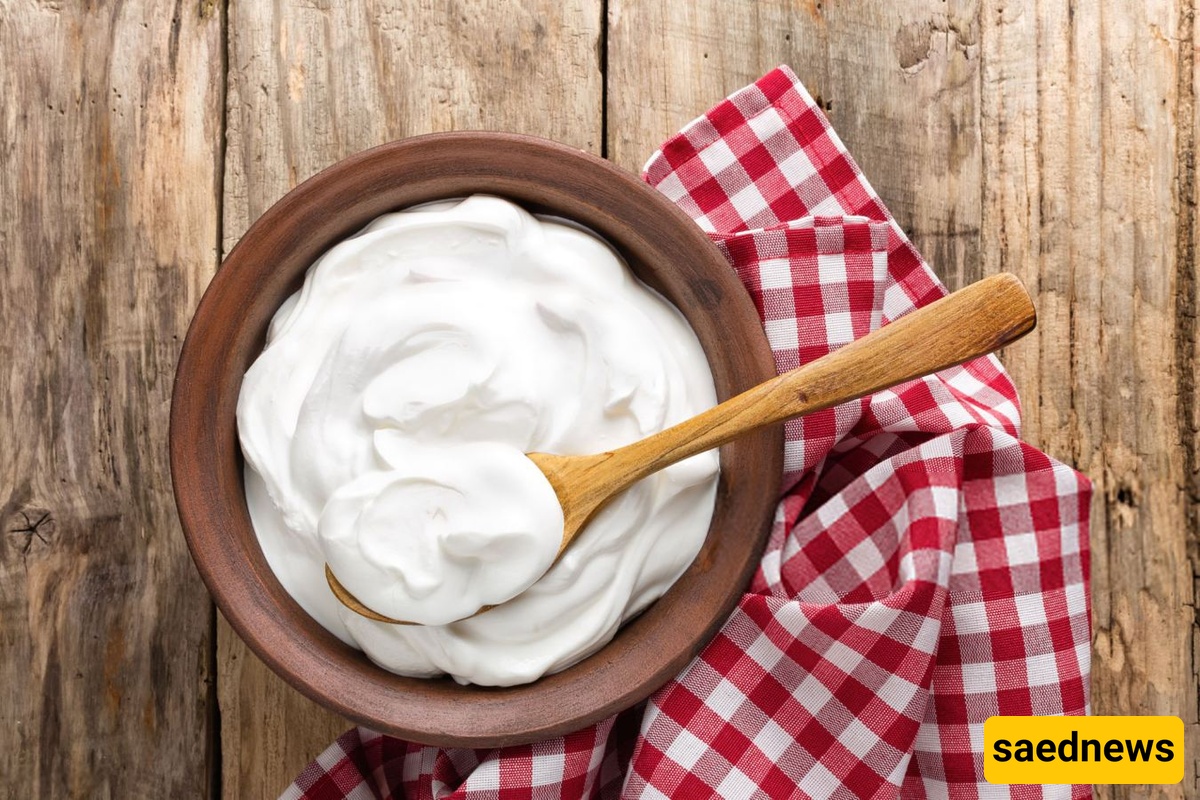
According to Saednews, Using high-quality pastry ingredients is essential for preparing smooth, stable whipped cream and preventing bubbles. Cream is one of the most fundamental ingredients in pastry making and plays an important role in the final quality of cakes, desserts, and confectionery products. High-quality cocoa products also contribute significantly to improving the flavor and texture of cream-based desserts.
However, one common problem faced by both professional and home bakers is the formation of bubbles in whipped cream during or after whipping. This not only affects the appearance of the final product but also compromises its texture.
Maintaining the correct cream temperature is essential. If the cream is not sufficiently cold before whipping, it cannot develop a stable structure capable of holding air.
Higher temperatures soften the cream, allowing air to enter unevenly and resulting in bubble formation.
Whipping cream for too long causes its fat particles to separate instead of forming a stable structure. Eventually, the cream begins to turn into butter.
This not only produces an undesirable texture but also creates large air bubbles and affects the final whipped volume.
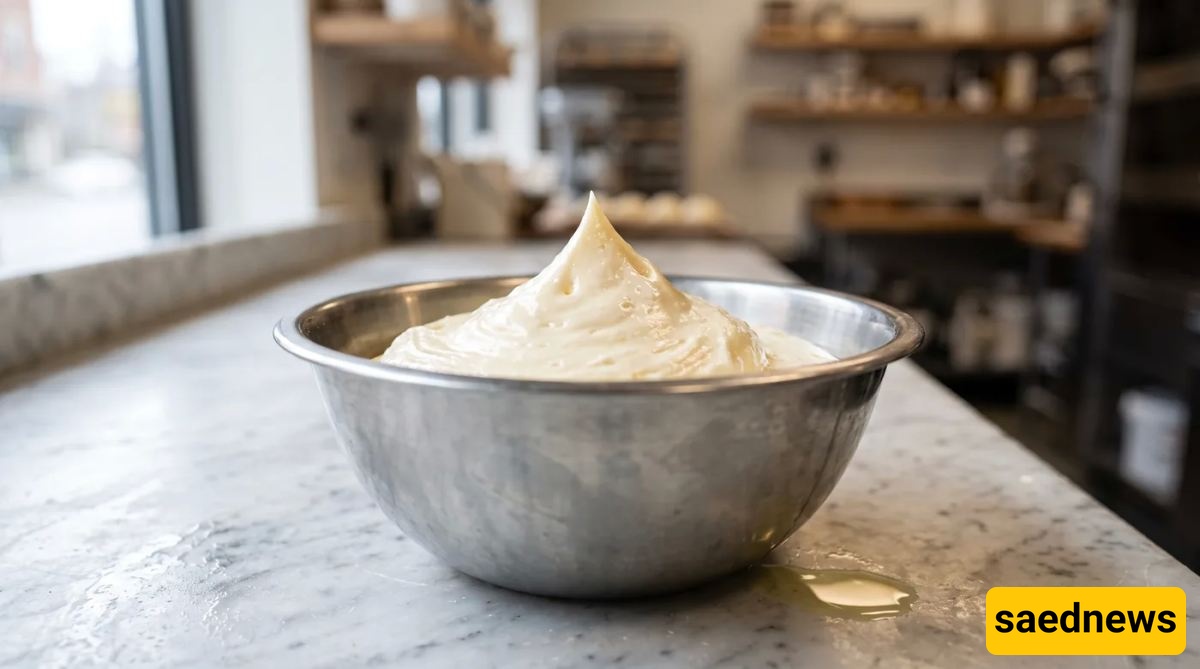
The fat content of cream plays an important role in its ability to maintain structure.
Cream containing less than 30% fat generally does not provide sufficient stability. Such cream cannot properly retain air and may quickly lose its quality, develop bubbles, and collapse in volume.
Using an electric mixer at high speed during whipping can also cause bubbles to form.
High-speed mixing introduces air into the cream suddenly and uncontrollably.
If you are using Golnan Puratos whipping cream powder, mix the powder with water or a little milk and whip it at medium speed for only six minutes.
In general, whipped cream becomes bubbly when its temperature is unsuitable, it is overwhipped, its fat content is too low, or it is whipped at excessive speed. These factors cause uneven air incorporation and damage the cream's structure.
By following a few simple techniques, you can easily prevent bubble formation and achieve a smooth, soft, and uniform texture.
To prevent bubbles, it is recommended to use cream containing at least 30% fat.
Professional whipping creams from reputable brands such as Nestlé, Président, and Emborg offer a more stable structure and can significantly reduce the likelihood of bubble formation.
Both the cream and whipping equipment, including the mixing bowl, whisk attachments, and mixer components, should be chilled before use.
Placing these items in the refrigerator or freezer for approximately 15 minutes before whipping can create ideal conditions for achieving smooth, bubble-free whipped cream.
At the beginning of the whipping process, start at a low speed and gradually increase it to medium speed.
This technique helps incorporate air evenly into the cream and prevents excessive air bubbles from forming.
If the whipped cream needs to maintain its shape for an extended period or will be served at room temperature, natural stabilizers such as gelatin, whipping cream powder, or mascarpone can help strengthen its structure and prevent bubble formation.
Using high-quality pastry cream filling (Cremefill) can also help stabilize whipped cream and reduce the formation of bubbles.
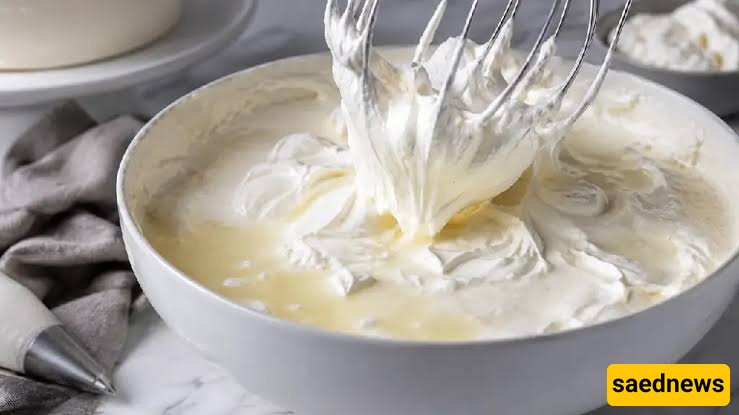
When identifying and addressing the causes of bubbly whipped cream, choosing the right equipment is just as important as selecting high-quality cream.
The following tools can help achieve better results:
Mixer with Adjustable Speed: Selecting the appropriate speed is essential for controlling how air enters the cream.
Silicone Spatula: Ideal for gently folding additional ingredients, such as chocolate powder or flavorings, into whipped cream without incorporating excessive air.
Professional Cream Whipping Machine: Commonly used in professional bakeries and pastry shops, these machines provide precise and controlled whipping.
To prevent bubbles in whipped cream, use cream with an appropriate fat content (at least 30%), chilled equipment, and a mixer set to medium speed. Adding natural stabilizers and using suitable tools, such as an adjustable mixer and silicone spatula, can also help maintain a smooth and uniform texture.
Now that we have discussed how to prevent bubbles during whipping, it is important to understand that even properly whipped cream can lose its texture and develop bubbles if it is stored incorrectly.
Follow these storage recommendations:
Use freshly whipped cream immediately after preparation whenever possible.
If you need to store it, place the cream in an airtight container and keep it refrigerated.
Avoid exposing the cream to open air, direct airflow, or heat.
If small bubbles appear after chilling, gently fold the cream with a spatula to restore a more uniform texture.
Achieving smooth, stable, and bubble-free whipped cream depends on several factors, including the quality of the cream, its fat content, temperature, whipping speed, and storage conditions.
By using high-quality cream, keeping all equipment properly chilled, avoiding overwhipping, and incorporating suitable stabilizers, you can achieve professional-quality whipped cream with a smooth, consistent texture and an attractive appearance.