SAEDNEWS: Knowing how much legumes to use per person in dishes such as Aash, soup, stews, and rice is one of the key secrets to successful cooking. Discover the ideal portions for every meal.
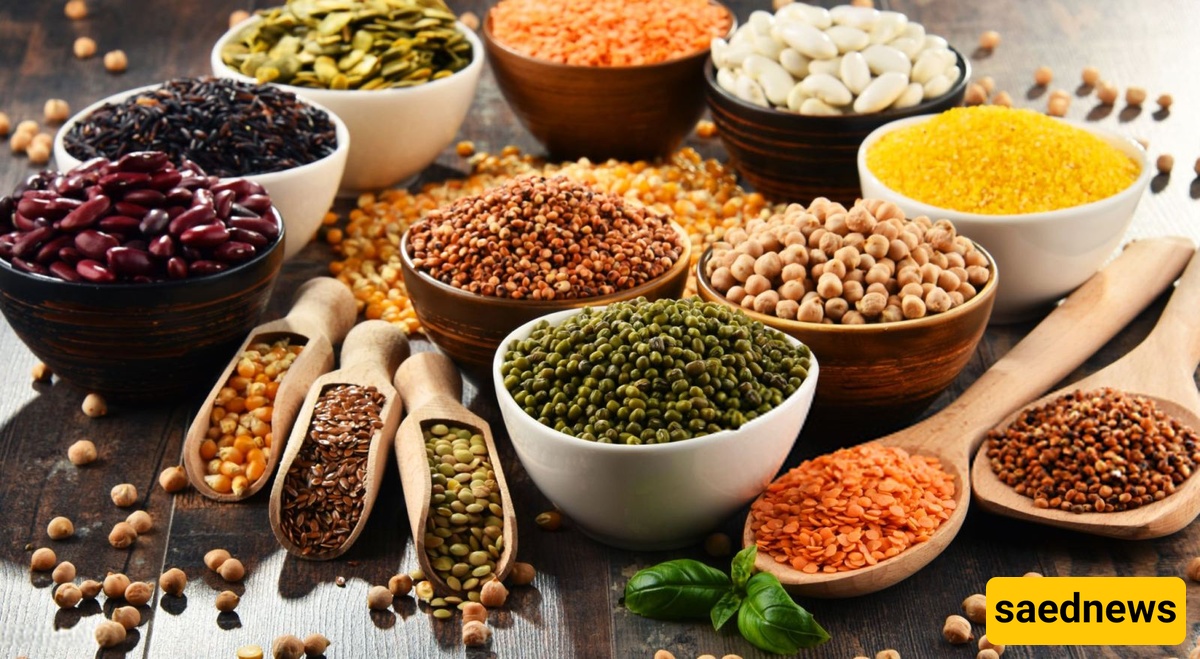
According to Saednews, Choosing the right amount of legumes per person is one of the most important aspects of both professional and home cooking. Legumes are an essential part of the Iranian diet and are widely used in dishes such as Ash (traditional Persian soup), soups, stews, rice dishes, and salads.
Using too few legumes can make a dish watery and lacking in substance, while adding too many can make it overly thick and heavy, disrupting the balance of flavors. Knowing the appropriate amount of legumes per person for different dishes can help reduce food waste, save money, and prepare delicious, well-balanced meals.
This guide provides a comprehensive overview of the recommended amount of dried legumes per person for various dishes. Keep in mind that these quantities are approximate and can be adjusted depending on appetite, age, gender, whether the dish is a main course or a side dish, and the other ingredients used.
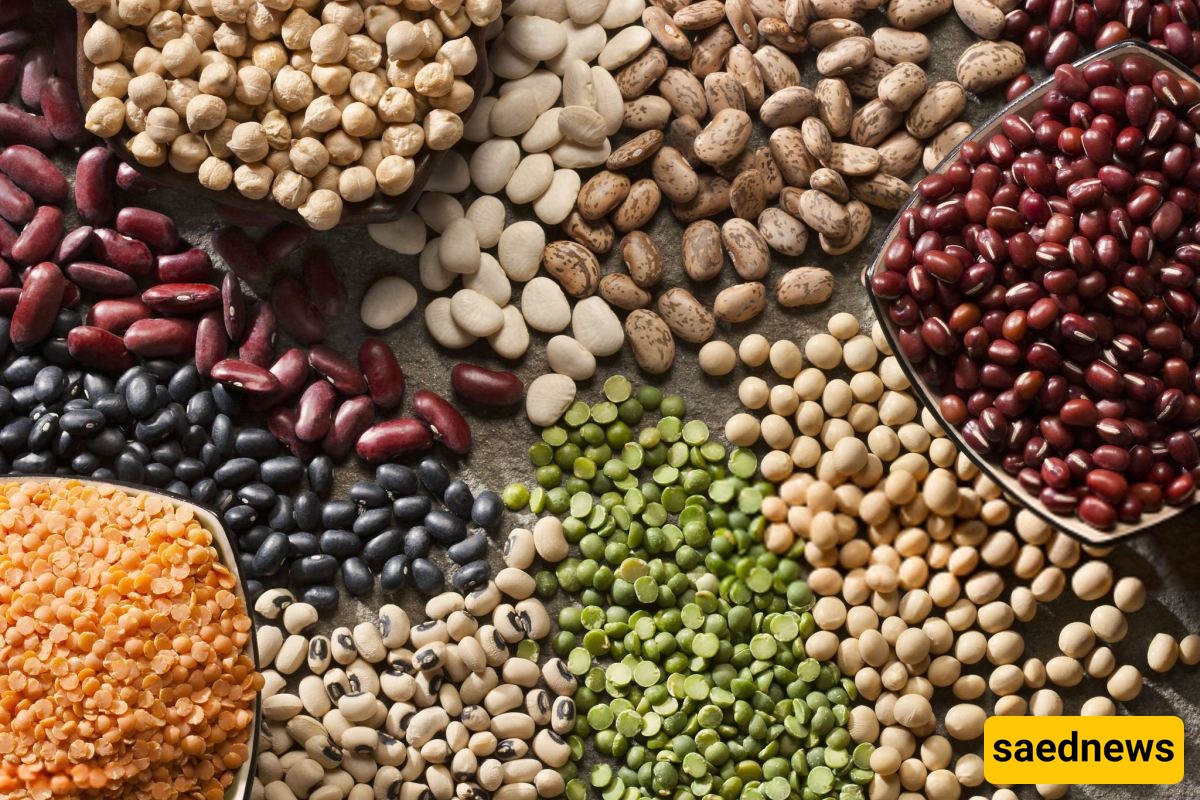
Throughout this guide, quantities refer to the weight of dried legumes before soaking. This is important because legumes increase in weight after soaking and cooking.
Generally, legumes weigh approximately 2 to 2.5 times their original dry weight after cooking.
For example, 50 grams of dried lentils will yield approximately 100–125 grams of cooked lentils. Therefore, if a recipe specifies cooked legumes, you should adjust the quantity accordingly.
Dish | Recommended Dried Legumes Per Person |
|---|---|
Lentil Ash | 30–40 g |
Mixed Legume Ash | 35–50 g |
Legume Soup | 15–25 g |
Persian Gheymeh Stew (Split Peas) | 20–30 g |
Ghormeh Sabzi (Kidney Beans) | 15–25 g |
Lentil Rice | 40–50 g |
Mung Bean Rice | 30–40 g |
Herb Rice with Beans | 25–35 g |
Bean Stew | 70–90 g |
Abgoosht (Persian Meat and Bean Stew) | 40–50 g chickpeas and beans |
Hummus | 50–60 g chickpeas |
Legume Salad | 30–40 g mixed legumes |
This table can serve as a basic reference. Below, we explore the recommended quantities for each type of dish in more detail.
For lentil Ash, 30–40 grams of dried lentils per person is generally ideal. If you prefer a thicker consistency, you can increase the amount to 45 grams.
Lentils are the main ingredient in this dish, and using less than 25 grams per person may result in a watery consistency.
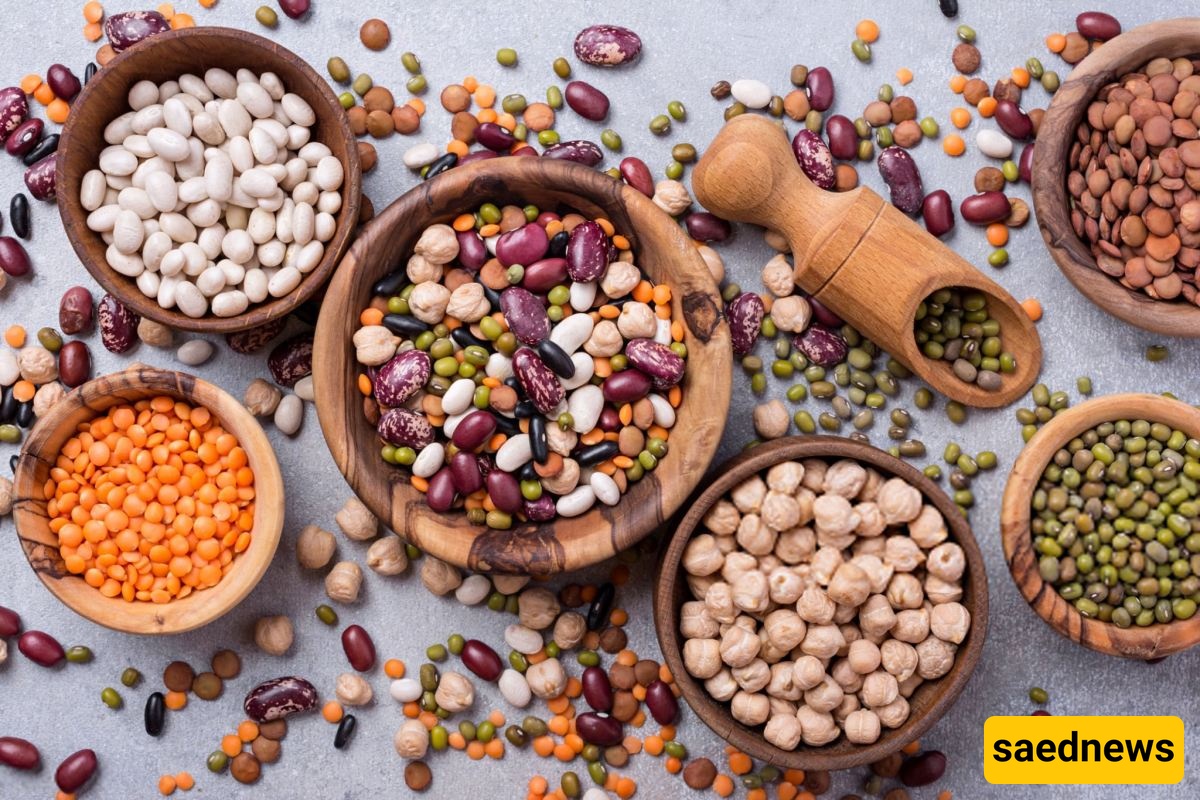
For traditional dishes such as Ash Sholeh Ghalamkar or mixed legume Ash, several types of legumes are combined, including chickpeas, beans, lentils, and split peas.
The recommended total amount of dried legumes is approximately 35–50 grams per person.
For example, you can use:
15 grams of chickpeas
15 grams of beans
10 grams of lentils
Legumes usually play a supporting role in soups. Around 15–25 grams of dried legumes per person is sufficient.
If the soup is being served as a main course, you can increase the amount to 30 grams per person.
Split peas are one of the main ingredients in Persian Gheymeh stew.
The recommended amount of dried split peas is 20–30 grams per person. If you serve the stew with rice, this quantity provides a good balance.
Using more than 35 grams per person may make the stew excessively thick and heavy.
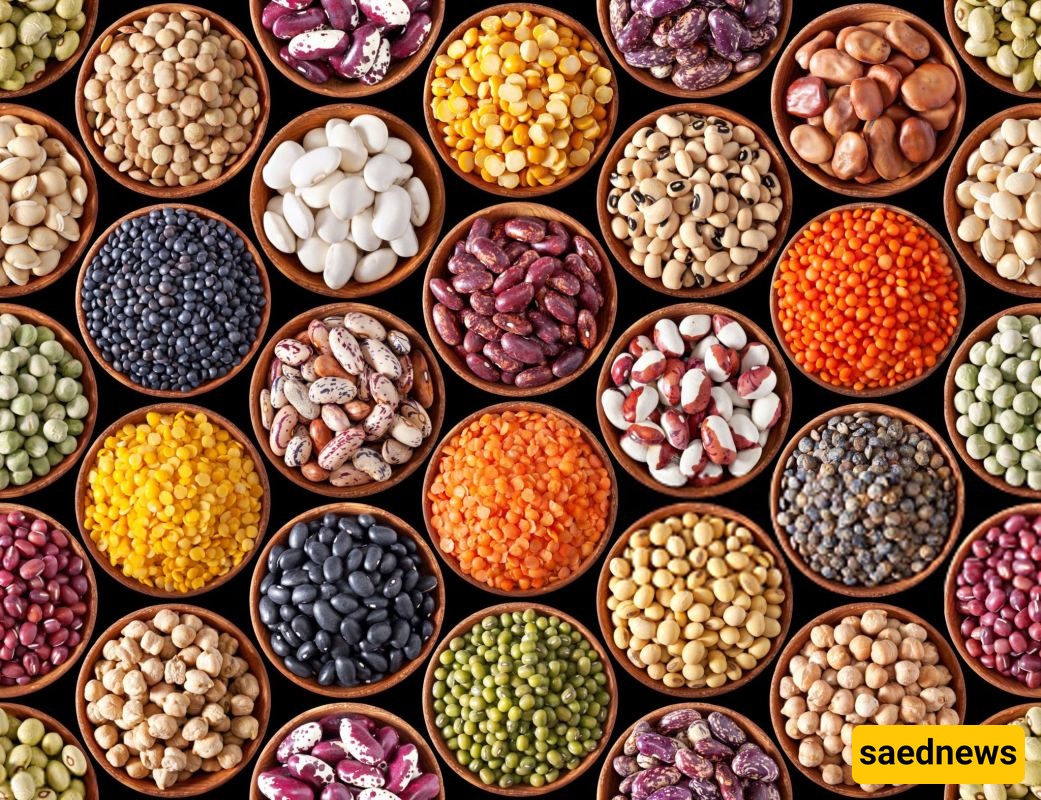
Beans are generally added to Ghormeh Sabzi in moderate quantities.
Around 15–25 grams of dried beans per person is sufficient. If you particularly enjoy beans and want them to be more noticeable in the stew, you can increase the amount to 30 grams.
For vegetarian stews in which legumes are the main ingredient, 40–60 grams of dried legumes per person is recommended.
The exact quantity can be adjusted depending on the type of legumes and other ingredients, such as mushrooms, eggplant, or soy.
Lentil rice is one of the most popular Iranian dishes.
The recommended amount of dried lentils is 40–50 grams per person. If you are serving lentil rice without meat, you can increase the quantity to 60 grams.
Be careful not to add too many lentils, as excess lentils can make the rice sticky.
For mung bean rice, use approximately 30–40 grams of dried mung beans per person.
This dish is usually served with meat or chicken, and this quantity creates a good balance between the rice and other ingredients.
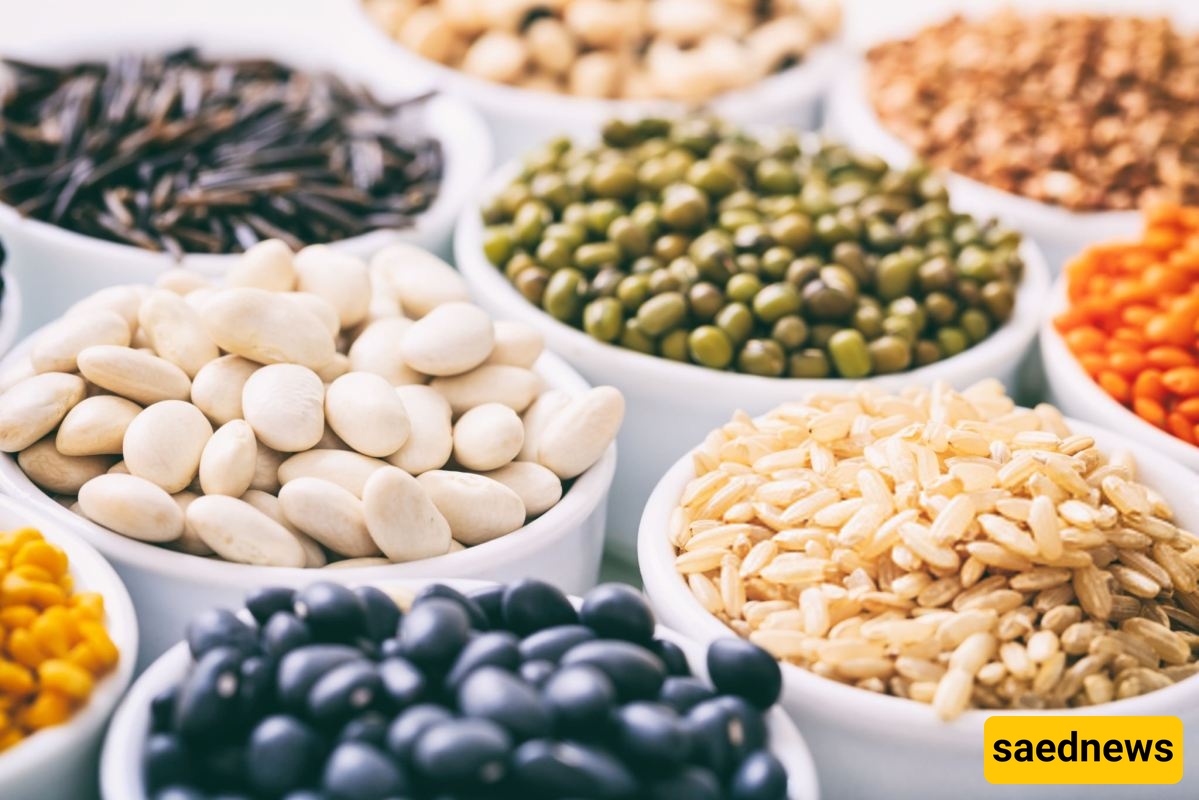
For herb rice with beans, the recommended amount of dried beans is 25–35 grams per person.
Avoid using too many beans so that the flavor of the rice and fresh herbs remains prominent.
For rice dishes such as chickpea rice, 30–40 grams of dried chickpeas per person is suitable.
Make sure the chickpeas are thoroughly cooked and tender so they blend well with the texture of the rice.
For legume salad, 30–40 grams of dried legumes per person is sufficient.
After cooking, this amount yields approximately 70–100 grams of cooked legumes.
If the salad is served as a main course, you can increase the quantity to 50–60 grams per person.
When preparing hummus, allow approximately 50–60 grams of dried chickpeas per person.
This quantity is suitable for serving as an appetizer or alongside bread.
If bean stew is served as a main course, 70–90 grams of dried beans per person is recommended.
If it is served as a side dish, 40–50 grams per person is sufficient.
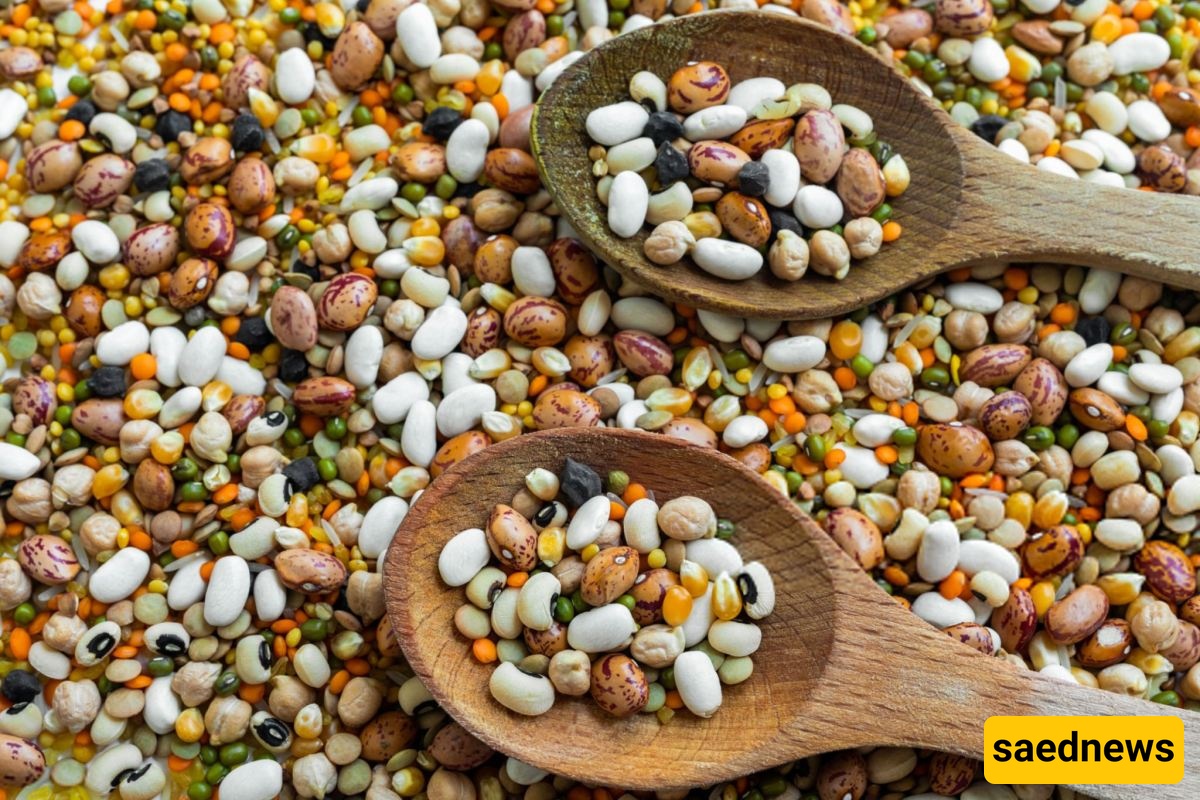
The recommended amount of legumes per person is not always fixed. Consider the following factors when adjusting quantities:
Children: Generally require half to two-thirds of an adult portion.
People with smaller appetites: Use smaller quantities and combine legumes with vegetables.
Dinner parties and gatherings: Increase the quantities by approximately 10–20%.
Main course vs. side dish: Main courses generally require more legumes.
Type of legume: Chickpeas and beans generally increase more in volume after cooking.
Avoid these common mistakes to achieve better cooking results:
Measuring cooked instead of dried legumes: Always use dry weight as your starting point.
Incorrect soaking time: Proper soaking helps legumes cook more evenly and may reduce bloating.
Adding legumes without considering other ingredients: Ingredients such as potatoes, bread, and rice can affect the amount of legumes needed.
Treating all legumes the same: Lentils cook faster and generally expand less, while chickpeas and beans require longer cooking times.
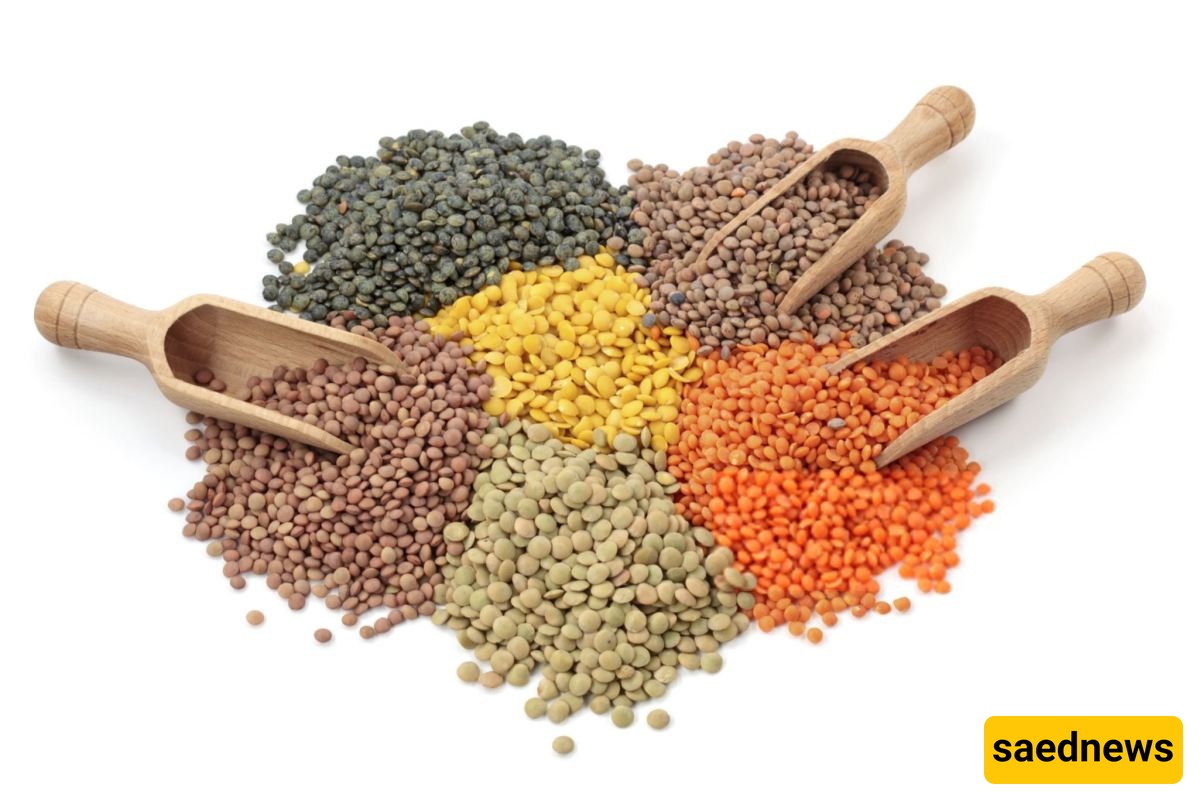
Knowing how much dried legumes to use per person can make a significant difference in the taste, texture, and nutritional balance of your meals. Whether you are preparing traditional Persian Ash, hearty stews, rice dishes, or nutritious salads, measuring legumes correctly helps you achieve consistent results while minimizing waste.
As a general rule, always measure legumes before soaking and adjust the quantities according to the type of dish, the number of servings, and individual appetites.