SAEDNEWS: Donald Trump’s aggressive trade policies are intensifying pressure on Canadian industry as Stellantis shifts planned production from Ontario to the United States. Canada is threatening legal action over the automaker’s failure to honor its investment commitments.

According to Saednews, Canada is preparing to take legal action against automaker Stellantis after the company abandoned its commitment to manufacture Jeep vehicles at its Brampton, Ontario, facility and instead moved production to the United States. The decision has raised serious concerns about the future of Canadian manufacturing jobs and the country's automotive sector.
Industry Minister Mélanie Joly announced Thursday that the federal government had issued Stellantis a formal notice of default, giving the automaker 30 days to resolve alleged breaches of its funding agreement or face a lawsuit.
Speaking to reporters in Toronto, Joly said the company had been given a final opportunity to meet its obligations, warning that legal proceedings would follow if it failed to comply.
The confrontation highlights the growing impact of US President Donald Trump's protectionist trade policies on North American manufacturing. His tariff measures and efforts to attract foreign investment to the United States have increased pressure on automakers to relocate production, creating uncertainty for Canadian employees and industrial communities.
Joly accused Stellantis of failing to honor its commitments to both the federal government and workers at the Brampton facility. The dispute intensified after the company announced an agreement to sell the unused plant to Roshel, a Canadian manufacturer specializing in armored vehicles.
According to the minister, Stellantis could face financial liabilities amounting to hundreds of millions of dollars. This figure is considerably higher than the $24 million the company's Canadian chief executive, Trevor Longley, reportedly offered to repay in federal subsidies.
Prime Minister Mark Carney has also condemned the automaker's decision, calling the situation at the Brampton plant unacceptable and describing the company's actions as a betrayal of its workforce.
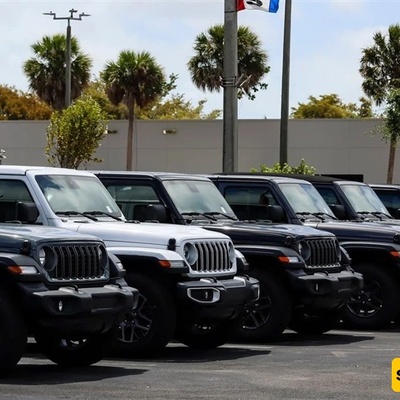
Stellantis had originally planned to produce the Jeep Compass at the Ontario facility but subsequently canceled those plans and transferred future production to a manufacturing plant in Illinois. The decision came amid US automotive tariffs and growing pressure to expand manufacturing operations within the American market.
On Monday, Stellantis confirmed that it had reached an agreement to sell the Brampton facility to Roshel, although the financial terms of the transaction were not disclosed. The sale effectively marked a departure from the company's earlier manufacturing commitments.
The automaker has defended the transaction, arguing that transferring ownership to a Canadian industrial company could help bring economic activity back to the facility.
Longley acknowledged the frustration and uncertainty surrounding the plant's future, explaining that the proposed agreement with Roshel offered an opportunity to return the site to productive industrial operations.
Stellantis also stated that it recognized its responsibilities toward affected employees and remained willing to negotiate with Unifor, Canada's largest private-sector union, to develop a compensation arrangement for unionized workers.
Nevertheless, the reported $24 million repayment proposal has failed to satisfy the Canadian government's assessment of the company's outstanding obligations, further escalating tensions between Ottawa and Stellantis.
The dispute reflects broader strains in economic relations between Canada and the United States. Trump's tariff strategy and continued efforts to encourage manufacturers to establish operations south of the border have raised concerns about Canada's competitiveness and the long-term stability of its automotive industry.
Adding to the company's difficulties, Stellantis is also experiencing significant financial challenges. Its shares listed on the Milan stock exchange have reportedly declined by more than 60% since the beginning of 2026.