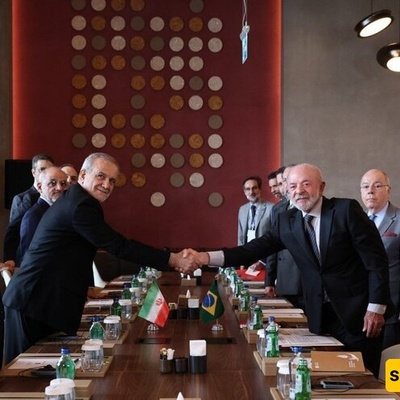
SAEDNEWS: Mohammad Javad Zarif, Iran’s former foreign minister, has criticized the UN Security Council’s one-sided approach to the war against Iran in an article examining Resolution 2817.
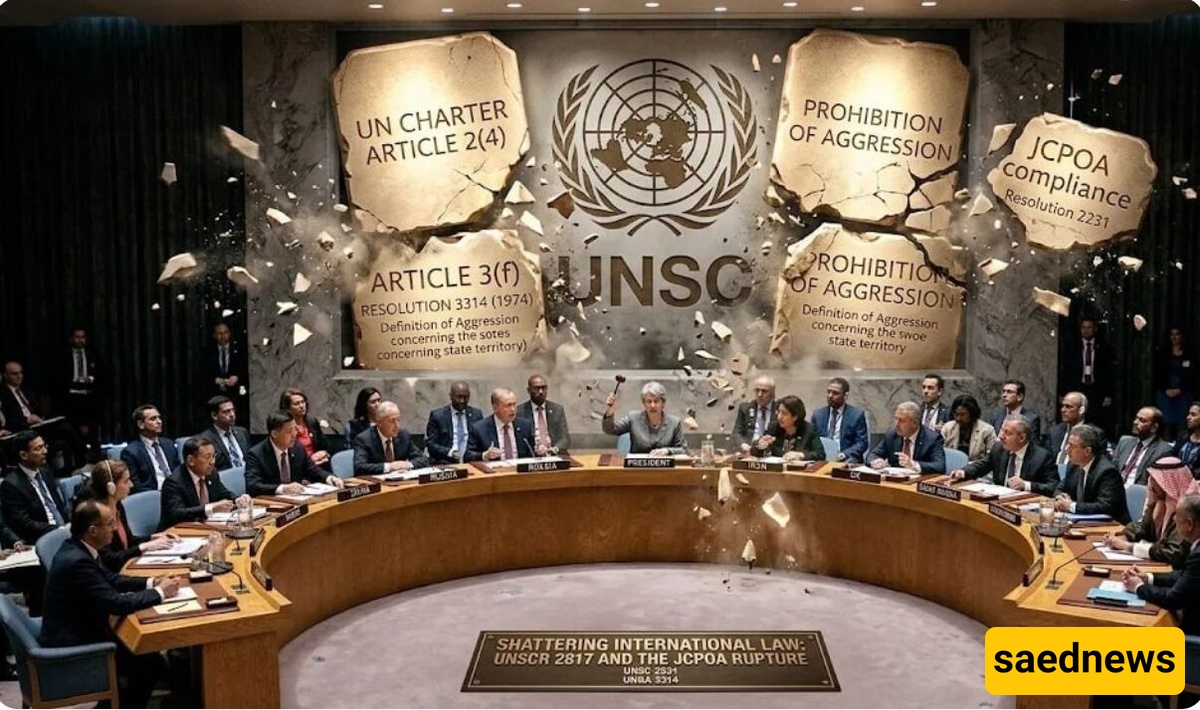
Zarif maintains that the United Nations Security Council (UNSC) has distorted the realities of the conflict by condemning Iran’s defensive responses while overlooking the military aggression carried out by the United States and Israel. In his view, this selective approach has effectively reversed the positions of the aggressor and the victim.
He presents this argument in an article entitled Moral, Political, and Legal Contradictions in the UN Security Council. The following is a comprehensive paraphrase of the article, retaining its central arguments, structure, legal references, and citations while using different wording and a more polished academic-journalistic style.
On March 11, 2026, the United Nations Security Council held its 10119th session and adopted Resolution 2817 (United Nations Security Council [UNSC], 2026a, 2026b). The resolution received thirteen votes in favor, none against, and two abstentions from China and Russia. Presented as an effort to defend the principles of the UN Charter and restore stability amid the escalating conflict in West Asia, the resolution nevertheless exposed serious inconsistencies within the international political and legal system established after the Second World War.
Resolution 2817 explicitly criticized the Islamic Republic of Iran for what it described as serious attacks against Arab countries in the Persian Gulf and Jordan, as well as for measures affecting maritime traffic through the Strait of Hormuz. However, it made no reference to the joint military offensive launched by the United States and Israel against Iranian territory on February 28, 2026.
Examining the resolution without considering the events that preceded it produces an incomplete and misleading understanding of the conflict. The Security Council's account effectively begins in the middle of the crisis, disregarding the circumstances that led to the outbreak of hostilities. It overlooks years of economic restrictions and pressure imposed on Iran, the repeated use of diplomatic negotiations alongside preparations for military attacks, and the two occasions on which military operations were launched while negotiations were underway.
The resolution also fails to address the diplomatic discussions taking place in Muscat and other regional capitals when American and Israeli forces attacked Iran. Equally significant is its silence regarding the deaths of Iranian schoolchildren and athletes in Minab and Lamerd during the initial hours of the conflict (United Nations Independent International Fact-Finding Mission on the Islamic Republic of Iran [FFMI], 2026). Furthermore, it avoids examining the responsibility of neighboring countries that allegedly made their territory and military facilities available to the attacking forces (United Nations General Assembly [UNGA], 1974).
China and Russia explained their abstentions by emphasizing that a resolution cannot genuinely contribute to peace if it disregards the original acts of aggression and condemns only the subsequent defensive actions of the country that was attacked first (UNSC, 2026b).
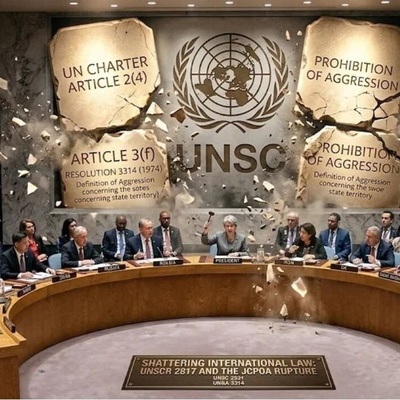
Rather than promoting peace, such an approach risks turning the Security Council into an instrument for legitimizing military aggression. It also reverses the established legal distinction between aggressors and victims while weakening Article 2(4) of the UN Charter, which prohibits the use of force against the territorial integrity and political independence of states.
A meaningful legal and ethical assessment of the 2026 conflict must begin with the gradual destruction of the diplomatic arrangements originally established to prevent such a confrontation.
In July 2015, following more than ten years of intensive international negotiations, Iran and the EU/E3+3 countries—China, France, Russia, the United Kingdom, the United States, and Germany—reached the Joint Comprehensive Plan of Action (JCPOA, 2015). The agreement was subsequently endorsed unanimously by the UN Security Council through Resolution 2231 (UNSC, 2015). Consequently, its implementation became an international obligation for UN member states under Article 25 of the Charter.
Under the agreement, Iran accepted extensive nuclear inspections and monitoring arrangements, among the most comprehensive ever established under international non-proliferation efforts. It also dismantled important parts of its uranium-enrichment infrastructure and transferred most of its enriched uranium reserves abroad.
For more than three years, the International Atomic Energy Agency (IAEA) consistently reported that Iran was fulfilling its nuclear obligations (IAEA, 2018).
Nevertheless, on May 8, 2018, the United States unilaterally withdrew from implementing the JCPOA and announced the restoration of sanctions that had previously been suspended or removed under the agreement (White House, 2018).
Washington subsequently launched its so-called maximum-pressure campaign. By exploiting the international influence of the US dollar and the extensive reach of its financial institutions, the American government reinstated direct sanctions and introduced secondary restrictions against foreign businesses and financial organizations. These measures threatened companies with losing access to American markets and the dollar-based financial system if they continued commercial relations with Iran.
As a result, American economic pressure extended beyond US borders, forcing international businesses to choose between maintaining their Iranian commercial activities and preserving their access to the American economy (Farrell & Newman, 2019; Fishman, 2025; Schmidt, 2022).
Iran and the other remaining participants in the nuclear agreement argued that Washington's withdrawal and the subsequent restoration of sanctions were inconsistent with Resolution 2231.
Within international legal studies and political ethics, the extensive use of economic restrictions against an entire country has increasingly been described as a form of economic warfare (Joyner, 2016). Some scholars have gone further, characterizing such measures as economic terrorism under broader definitions of terrorism (Zarif, 2020).
Unlike sanctions directed at particular individuals or organizations, the maximum-pressure campaign affected virtually every major sector of Iran's civilian economy. It targeted the country's central bank, oil exports, shipping industry, manufacturing capacity, and international financial transactions. Restrictions on banking activities also created serious obstacles to obtaining essential medicines, medical equipment, and humanitarian supplies (Human Rights Watch [HRW], 2019; United Nations Human Rights Council [UNHRC], 2021).
Even during major international public-health emergencies, Washington declined to remove financial restrictions that obstructed the transfer of money for pharmaceutical and humanitarian purchases. According to this argument, the consequences amounted to collective punishment affecting more than 85 million Iranian citizens (UNHRC, 2021; Zarif, 2020).
The humanitarian implications of these restrictions were also addressed by the International Court of Justice (ICJ) in its October 3, 2018 provisional-measures Order in the case concerning Alleged Violations of the 1955 Treaty of Amity, Economic Relations, and Consular Rights (Islamic Republic of Iran v. United States of America).
The Court unanimously instructed the United States to remove obstacles created by the sanctions announced on May 8, 2018 that affected the export of medicines, medical equipment, food products, agricultural goods, and materials and services essential for civil aviation safety.
Washington was also required to facilitate the necessary licenses and authorizations and ensure that financial transactions associated with these goods and services were not obstructed.
The ICJ stressed that its provisional-measures decisions were legally binding and highlighted the potential threats that restrictions on humanitarian imports posed to human health and human life (ICJ, 2018, paras. 91–92, 100, 102).
However, on the same day the Court issued its Order, US Secretary of State Mike Pompeo announced that Washington would terminate the 1955 Treaty of Amity. He explicitly connected the decision to what he characterized as Iran's misuse of the Court.
This development was particularly significant because the United States responded to the Court's humanitarian concerns not by implementing its instructions, but by announcing its withdrawal from the treaty that had provided the legal foundation for the proceedings (Pompeo, 2018; United States Department of State, 2018).
The political circumstances surrounding America's withdrawal from the JCPOA also demonstrate, according to Zarif, a deliberate departure from good-faith diplomacy.
After abandoning an agreement that had restricted Iran's nuclear activities, Washington penalized European and Asian companies seeking to preserve the agreement. It then attempted to use the economic difficulties caused by its own policies to pressure Tehran into accepting broader political and strategic concessions extending beyond the nuclear issue (White House, 2018).
Iran, meanwhile, waited an entire year for the remaining participants to deliver the economic benefits promised under the agreement. Only afterward did it begin gradually reducing certain nuclear commitments, relying on Paragraphs 26 and 36 of the JCPOA, which provided for responses to violations by other participants.
Nevertheless, the United States and some of its allies presented Iran's corrective measures as evidence of a new nuclear crisis.
The essential background omitted from Resolution 2817 is therefore the failure of the international community, particularly the Security Council, to enforce Resolution 2231 against a permanent member that had abandoned a functioning non-proliferation agreement and pursued years of economic pressure against Iran and other parties attempting to honor their commitments (UNSC, 2015, 2026a).
While the sanctions imposed after 2018 created a prolonged situation of economic confrontation, the military operations conducted in 2025 and 2026 represented, according to Zarif, clear examples of aggression under UN General Assembly Resolution 3314 (1974). He also argues that these attacks constituted armed attacks that entitled Iran to exercise its right of self-defense under Article 51 of the UN Charter.
Both offensives demonstrated a recurring strategy: conducting military preparations while diplomatic negotiations were still active, then launching surprise attacks that undermined the possibility of a peaceful settlement.
The contradictions within Resolution 2817 become particularly evident when the February 28, 2026 offensive is compared with the twelve-day conflict of June 2025.
During the spring of 2025, Iran once again entered negotiations with the United States through Oman's mediation, seeking a diplomatic solution to the nuclear dispute after years of economic pressure.
Five rounds of indirect negotiations had taken place since April. Oman's Foreign Minister had also confirmed that a sixth meeting was scheduled to take place in Muscat on June 15, 2025 (Oman, 2025).
However, on June 13, only two days before the planned meeting, Israel launched a large-scale military operation against Iran. The attacks targeted nuclear facilities, military installations, senior military officers, and nuclear scientists.
The offensive made the scheduled negotiations impossible and effectively brought the diplomatic process to an end (Porter, 2025). Its timing led several international observers to suggest that one of its political objectives was to derail the negotiations and prevent an agreement between Tehran and Washington (Mills & Curtis, 2025).
Throughout the twelve-day conflict, Israeli forces systematically attacked Iran's senior military leadership and nuclear scientific community. Among those killed were several high-ranking commanders, including the Chief of Staff of the Armed Forces and the commander of the Islamic Revolutionary Guard Corps, alongside prominent nuclear scientists and senior security officials (Reuters, 2025; Congressional Research Service, 2025).
Israel also struck a prison, an attack that Human Rights Watch considered potentially constituting a war crime (Human Rights Watch, 2025).
On June 22, the United States entered the conflict directly by bombing three Iranian nuclear facilities in Fordow, Natanz, and Isfahan (Congressional Research Service, 2025).
The attacks reportedly resulted in approximately 1,100 deaths, including 276 civilians, while more than 5,600 people were injured. A fragile ceasefire eventually came into effect on June 24, 2025, after Iran demonstrated its ability to retaliate against Israel and American military bases across the region.
Despite this experience, Tehran agreed in early 2026 to participate in another diplomatic initiative, hoping that Washington and its partners might finally pursue a serious negotiated settlement.
During February 2026, Iran was involved in intensive diplomatic discussions intended to resolve the nuclear dispute and prevent a broader regional confrontation.
Several regional countries, including Turkey, Egypt, and Qatar, contributed to the preliminary diplomatic efforts. Indirect negotiations between Tehran and Washington subsequently resumed in Muscat on February 6, 2026, under the mediation of Oman's Foreign Minister, Badr bin Hamad Al Busaidi.
Iran's delegation was headed by Foreign Minister Abbas Araghchi, while the American side included senior representatives Steve Witkoff and Jared Kushner.
A second round of discussions took place in Geneva on February 17.
Iranian officials demonstrated a willingness to consider substantial compromises concerning their nuclear activities. Among the proposals discussed was the dilution of uranium enriched to 60 percent in return for the comprehensive removal of sanctions.
Subsequent reports also indicated that Tehran was prepared to transfer part of its highly enriched uranium reserves to another country, dilute the remaining material, and accept extensive international monitoring.
These proposals were linked to Iran's demand for recognition of its right to peaceful uranium enrichment and the lifting of economic restrictions (Al Jazeera, 2026; Reuters, 2026a, 2026b; Associated Press, 2026).
Nevertheless, the same pattern witnessed in June 2025 appeared to unfold once again.
While negotiations were continuing and diplomatic communication channels remained open, President Donald Trump authorized Operation Epic Fury on February 27, 2026. American and Israeli forces then launched coordinated military strikes across Iran at approximately 9:45 a.m. local time on Saturday, February 28, during the Muslim holy month of Ramadan (Reuters, 2026c).
During the first 24 hours, the Israeli Air Force reportedly carried out the largest combat sortie in its history (IDF, 2026). Its operations were coordinated with American aircraft operating from aircraft carriers and land-based facilities, as well as cruise missiles. More than 1,200 munitions were reportedly deployed against hundreds of targets.
From the standpoint of international law, Zarif argues that the June 2025 and February 2026 offensives were clearly unlawful.
Article 2(4) of the UN Charter prohibits states from threatening or using force against the territorial integrity or political independence of other countries. This prohibition is considered a fundamental and peremptory rule of international law, reinforced by Article 103 of the Charter (Simma et al., 2012).
The prohibition recognizes only limited exceptions. These include military action authorized by the Security Council under Chapter VII and the inherent right of individual or collective self-defense under Article 51, provided that an armed attack has occurred against a UN member state (International Court of Justice [ICJ], 1986).
According to Zarif, Iran had not launched an armed attack against either the United States or Israel before June 13, 2025, or February 28, 2026.
He further argues that neither country could convincingly rely on the controversial doctrine of anticipatory or pre-emptive self-defense.
Even the broadest interpretation of this doctrine, based on the customary international-law principles associated with the Caroline incident, requires an imminent threat so serious that defensive action becomes unavoidable. The necessity must be "instant, overwhelming, and leaving no choice of means, and no moment for deliberation" (Jennings, 1938).
However, the United States was actively engaged in negotiations with Iran immediately before both offensives. The sixth round of talks was approaching in June 2025, while the Muscat-mediated diplomatic process was still underway in February 2026.
Consequently, the decision to launch military operations instead of continuing negotiations raises serious questions about the justification for invoking anticipatory self-defense.
Using diplomatic negotiations repeatedly as a means of creating a false sense of security before launching surprise military attacks can be compared, in political and legal terms, to perfidy (International Committee of the Red Cross [ICRC], 1977, art. 37).
Such conduct undermines the trust necessary for international diplomacy. Negotiations are supposed to provide an alternative to armed conflict, not serve as an opportunity to prepare an ambush.
Yet Resolution 2817 makes no meaningful reference to either the June 2025 military offensive or the February 28, 2026 attack.
By removing these initiating acts of aggression from its account of the conflict, the Security Council presents Iran's subsequent military response as an unexplained act of hostility rather than a response to repeated bombardments and an exercise of its claimed right to self-defense under Article 51 and customary international law (ICJ, 1986).
Beyond the technical questions of international treaties and the UN Charter, the omissions in Resolution 2817 raise fundamental moral concerns.
International humanitarian law, particularly the 1949 Geneva Conventions and their 1977 Additional Protocols, establishes three essential principles governing armed conflict: distinction, proportionality, and precaution (ICRC, 1977, arts. 48, 51, 57).
These rules require armed forces to distinguish between civilians and combatants and between civilian infrastructure and legitimate military objectives. They also require parties to take necessary precautions to minimize civilian casualties.
According to the article, these principles were gravely violated during the opening hours of the American-Israeli offensive on February 28, 2026, particularly in the southern Iranian cities of Minab and Lamerd (FFMI, 2026).
In Iran, Saturday marks the beginning of the normal working and school week. Consequently, when the attacks began at approximately 9:45 a.m., millions of children were attending classes across the country.
At around 11:22 a.m., several precision strikes hit the city of Minab in Hormozgan Province (FFMI, 2026).
One of the buildings struck was Shajareh Tayyebeh Primary School. The attack caused the school building to collapse onto the students and employees inside.
According to the figures cited in the article, 156 people were killed, including 120 children—73 boys and 47 girls—as well as 26 female teachers, parents who had rushed to the school gates following closure instructions, and other school personnel. Another 110 people were injured (FFMI, 2026).
Subsequent investigations involving satellite imagery, forensic assessments of the weapons used, and an independent United Nations fact-finding mission concluded that American forces had struck the school, apparently more than once within a short period.
The findings reportedly indicated that the building was an identifiable civilian educational institution rather than an object accidentally affected by nearby military operations (FFMI, 2026).
Later that day, another devastating attack took place in Lamerd, located in Fars Province.
According to the article, four American Precision Strike Missiles exploded above the city, each releasing approximately 180,000 projectiles (De Silva & Doroudgar, 2026).
One of the affected locations was a municipal sports facility where a girls' volleyball team was conducting its regular training session. Residential neighborhoods and a nearby school were also reportedly affected (FFMI, 2026).
The attack killed 22 civilians, including two schoolgirls, two schoolboys, and a two-year-old girl. More than 100 other people reportedly suffered serious injuries and burns amid the destruction caused by the explosions (FFMI, 2026).
The article also highlights what it describes as a particularly disturbing contradiction in the subsequent response to the attack.
Following the Lamerd incident, the US Department of War awarded Lockheed Martin a contract worth $8.4 billion for the missile system involved (De Silva & Doroudgar, 2026). The United Kingdom, one of the E3 countries, also placed an order for the same weapon (United Kingdom Ministry of Defence, 2026).
Zarif additionally criticizes the Trump administration's decision to rename the Department of Defense as the Department of War. He interprets the change as evidence of disregard for the international legal framework established by the UN Charter, which prohibits aggressive war and recognizes limited circumstances in which force may lawfully be used.
The civilian casualties in Minab and Lamerd prompted immediate reactions from international organizations.
The United Nations Educational, Scientific and Cultural Organization (UNESCO, 2026) described the bombing of the Minab school as a serious violation of international humanitarian law. The UN Secretary-General also condemned the incident (United Nations Secretary-General, 2026).
Subsequently, an independent UN investigation reportedly concluded that there were reasonable grounds to believe that American forces had committed war crimes in both Minab and Lamerd by attacking clearly identifiable civilian facilities (FFMI, 2026).
Nevertheless, when the Security Council met eleven days after these events to adopt Resolution 2817, it made no mention of the children killed in either city.
The Council devoted considerable attention to expressing concern about possible damage to infrastructure and threats to civilian populations in the Persian Gulf countries. Yet the deaths of more than a hundred Iranian schoolchildren in attacks involving American precision-guided weapons launched from US military bases in Bahrain and Kuwait were entirely omitted.
For Zarif, this contrast reveals a deeply troubling hierarchy of human value within international politics.
Civilian casualties receive urgent international attention when they support the political positions of powerful Western states. Conversely, even large-scale civilian deaths can be disregarded when the alleged perpetrators are their strategic allies.
He argues that this selective treatment not only undermines the credibility of Resolution 2817 but may also raise questions about the responsibility of those who knowingly support or legitimize violations of international humanitarian law.
One of the principal arguments used by Western governments and Persian Gulf diplomats to defend Resolution 2817 is that Arab countries in the region were neutral states that had been drawn into a conflict against their will (UNSC, 2026a, 2026b).
Zarif challenges this interpretation, arguing that it is incompatible with established principles of international law governing the use of force and neutrality.
For many years, several Persian Gulf countries have hosted extensive American military infrastructure. This includes military bases, airfields, command centers, radar systems, logistical facilities, and naval installations.
Among the examples mentioned are American facilities in Saudi Arabia and Iraq, Al Udeid Air Base in Qatar, Al Dhafra Air Base in the United Arab Emirates, Ali Al Salem and Camp Arifjan in Kuwait, and the headquarters of the US Navy's Fifth Fleet in Bahrain (Congressional Research Service, 2006).
Although many of these facilities were established following Iraq's invasion of Kuwait, Zarif argues that their strategic function has increasingly involved containing and confronting Iran.
In the period preceding February 28, 2026, these military installations reportedly received additional offensive and defensive equipment as preparations for possible military operations against Iran intensified (Hair & Doman, 2026).
When Operation Epic Fury began, a number of the attacks against Iranian territory were reportedly launched from American military facilities and command centers located throughout the region, alongside operations conducted by aircraft carriers in international waters.
US Central Command (2026) confirmed that the military campaign involved precision weapons launched from air, land, and sea platforms, with regional American forces participating in the operation.
Zarif argues that international law does not permit a country to claim neutrality while allowing foreign military forces to use its territory as a platform for attacking another state.
This principle is explicitly reflected in UN General Assembly Resolution 3314 (XXIX), adopted unanimously on December 14, 1974. The resolution establishes the internationally recognized Definition of Aggression and provides guidance for the Security Council when determining whether aggression has occurred under Article 39 of the UN Charter.
The International Court of Justice has also recognized important elements of this definition as reflecting customary international law (ICJ, 1986; UNGA, 1974).
Article 3 of the resolution identifies several actions that constitute aggression, regardless of whether a formal declaration of war has been issued.
In addition to invasion and bombardment, Article 3(f) identifies the following conduct:
The action of a State in allowing its territory, which it has placed at the disposal of another State, to be used by that other State for perpetrating an act of aggression against a third State. (UNGA, 1974, Annex, art. 3(f))
This provision makes clear that responsibility for aggression may extend beyond the country directly carrying out the attack.
A state that knowingly provides its territory, airspace, military bases, or logistical infrastructure to another country for the purpose of attacking a third state may also incur legal responsibility.
The article further refers to customary international law on neutrality, reflected in the 1907 Hague Conventions V and XIII.
These conventions establish obligations requiring neutral states to prevent belligerent powers from using their territory as a base for military operations (Hague Convention V, 1907, arts. 2, 5; Hague Convention XIII, 1907, art. 5).
According to Zarif's interpretation, a country that allows its territory to facilitate attacks against another state cannot simultaneously insist on retaining the full legal protections associated with neutrality.
Such conduct may amount to participation in hostilities and could affect the legal status of military installations used in the attacks, subject to the applicable rules of international humanitarian law.
The article also invokes Articles 2, 16, 30, and 31 of the International Law Commission's Articles on Responsibility of States for Internationally Wrongful Acts (ARSIWA).
These provisions address the legal consequences of internationally wrongful conduct, including circumstances in which states assist or facilitate another state's unlawful actions. Such responsibility may entail obligations to cease the wrongful conduct and provide full reparation for the resulting damage (International Law Commission [ILC], 2001).
Zarif therefore argues that countries whose territory was knowingly used to launch attacks against Minab and Lamerd could face questions of international responsibility, particularly if the attacks originated from military installations located in Bahrain and Kuwait.
By overlooking Article 3(f) of Resolution 3314, the Security Council allegedly creates an inconsistent legal position.
Under this interpretation, certain states can host foreign military forces, permit them to launch attacks against neighboring countries, and subsequently claim complete protection from retaliation by invoking the principles of sovereignty and neutrality.
Zarif rejects this position, emphasizing that sovereignty involves responsibilities as well as rights. A state cannot knowingly facilitate aggression through its territory while expecting to retain absolute immunity from the legal consequences of that conduct.
The legality of Iran's defensive maritime measures in the Strait of Hormuz must, according to the article, be considered in the context of an ongoing armed conflict rather than through the ordinary rules governing peacetime navigation.
Critics of Iran's maritime restrictions frequently rely on Part III of the 1982 United Nations Convention on the Law of the Sea (UNCLOS), which establishes the regime of transit passage through international straits (United Nations, 1982).
However, Zarif argues that this approach overlooks several important legal considerations.
First, Iran is not a party to the 1982 UNCLOS. When signing the convention, it submitted an interpretative declaration maintaining that the transit-passage regime constitutes a treaty-based obligation rather than a rule of customary international law. Iran therefore sought to preserve its position regarding coastal-state security rights within its territorial waters (United Nations, 1982).
Second, UNCLOS primarily regulates peacetime maritime activities and the use of ocean resources. It does not comprehensively establish the rules governing the rights and obligations of belligerent states during armed conflicts (Baharvand, 2026).
The International Court of Justice addressed the question of passage through international waters in its 1949 judgment in the Corfu Channel case. Zarif interprets that judgment as recognizing innocent passage during peacetime without eliminating the ability of coastal states to take necessary defensive measures, establish exclusion zones, or restrict navigation when confronted with active military hostilities (ICJ, 1949).
Another relevant source is the 1994 San Remo Manual on International Law Applicable to Armed Conflicts at Sea, which provides an authoritative synthesis of customary rules governing naval warfare.
The manual recognizes the legality of certain naval measures, including blockades, exclusion zones, and the interception of commercial vessels that make an effective contribution to an enemy's military operations, travel under hostile military protection, or refuse lawful inspection and search procedures (Doswald-Beck, 1995).
In an active naval conflict involving sustained American and coalition attacks against coastal infrastructure and military operations in the Strait of Hormuz, the legal status of commercial vessels may depend on their actual activities and their contribution to military operations.
The article argues that merchant ships operating under hostile military escort may lose their civilian protection under applicable rules governing naval warfare (Doswald-Beck, 1995).
Zarif also refers to the International Court of Justice's 2003 judgment in the Oil Platforms case. He argues that this decision undermined American attempts to justify military attacks against Iranian offshore installations by referring to the protection and escort of commercial shipping in an active conflict zone (ICJ, 2003).
These legal questions are also connected to the broader issue of Iran's economic survival.
The article recalls the International Court of Justice's 1996 Advisory Opinion and its discussion of the relationship between state survival and the limitations imposed by international law on the use of force (ICJ, 1996).
For almost two decades, Iran has faced extensive American secondary sanctions, restrictions on international banking, and financial barriers that have affected its ability to participate in global trade (Farrell & Newman, 2019; Fishman, 2025).
These restrictions have exploited the international dominance of the US dollar and the influence of dollar-clearing networks to limit Iran's access to revenue generated through energy exports and maritime commerce.
The article also refers to an operation called Operation Economic Outcast, presenting it as part of the broader financial pressure directed against Iran (Zarif, 2026).
As a result, the Strait of Hormuz, which facilitates enormous volumes of international commercial traffic, has allegedly become a point of economic exclusion for Iran itself.
Zarif argues that the international community cannot reasonably expect Iran to guarantee unrestricted and cost-free maritime commerce for countries it considers responsible for its economic isolation and military confrontation, while those same countries use international financial and trading systems to restrict Iran's access to global markets.
In his view, the legal argument for maintaining unrestricted maritime passage must therefore be considered alongside the principles of self-defense, military necessity, and the economic circumstances created by prolonged sanctions (Zarif, 2026).
The moral, political, and legal inconsistencies attributed to Resolution 2817 have implications extending beyond the immediate conflict in the Persian Gulf.
According to Zarif, they threaten the credibility and institutional legitimacy of the United Nations Security Council itself.
Article 24 of the UN Charter assigns the Security Council primary responsibility for maintaining international peace and security. Member states agree that the Council exercises this authority on their behalf.
This arrangement depends on the expectation that the Council will apply the Charter's principles fairly, distinguish between aggressors and victims through objective legal standards, and hold powerful states to the same requirements imposed on weaker countries (Simma et al., 2012).
Resolution 2817, however, is presented as a violation of this fundamental expectation.
When powerful states use their influence within the Security Council to secure the adoption of a resolution condemning a country that has been attacked while avoiding criticism of those responsible for the initial offensive, the institution risks moving beyond political weakness into active complicity.
The article identifies several dangerous precedents arising from this approach.
1. International treaty obligations become selective.
A permanent member of the Security Council can abandon a multilateral agreement endorsed by the Council, disregard Resolution 2231, and impose years of economic pressure without facing meaningful consequences. Meanwhile, the state that attempts to respond to those violations is subjected to international condemnation.
2. Diplomatic negotiations become instruments of deception.
Military powers can initiate attacks immediately before scheduled diplomatic meetings, as occurred in June 2025, and again while negotiations mediated by Oman were underway in February 2026. Yet the Security Council fails to hold them accountable, despite its responsibility under Chapter VI of the Charter to promote peaceful dispute settlement.
3. War crimes can disappear from the international record through political decisions.
Even when UN institutions and independent investigators document the killing of children in attacks against civilian facilities, the Security Council can omit these events from its resolutions in order to avoid damaging the political positions of its allies (FFMI, 2026; UNESCO, 2026).
4. The principles of self-defense and the prohibition of aggression lose their practical meaning.
Article 51 of the UN Charter recognizes the inherent right of self-defense following an armed attack, while Resolution 3314 establishes the legal framework for identifying aggression, including the provision of territory for attacks against third states.
According to Zarif, these principles are effectively disregarded whenever their application conflicts with the strategic interests of dominant military powers.
In the short term, Resolution 2817 provides political and diplomatic support for Washington, Tel Aviv, and their regional partners. It enables them to portray their military operations as legitimate defensive measures supported by international consensus.
Over time, however, this selective interpretation of international law risks accelerating the fragmentation of the international system and weakening the authority of the institutions established to preserve peace.
Resolution 2817 is likely to be remembered, according to Zarif, not as a meaningful contribution to peace but as an example of institutional hypocrisy within the international system.
By disregarding the events that preceded the 2026 conflict, the Security Council failed to address the destruction of the JCPOA, the repeated use of military attacks to undermine diplomatic negotiations in June 2025 and February 2026, and the civilian deaths in Minab and Lamerd.
It also failed to consider the implications of Article 3(f) of the 1974 Definition of Aggression, which addresses the responsibility of states that make their territory available for military attacks against third countries.
Taken together, these omissions create a distorted account of the conflict in which the distinction between aggressor and victim is effectively reversed.
A lasting peace in West Asia, and the continued credibility of international law, cannot be established through selective interpretations of history, political convenience, or the deliberate exclusion of inconvenient facts.
The UN Charter does not establish different legal standards for powerful and weaker countries. Nor does it grant influential states special permission to disregard fundamental restrictions on the use of force.
When the Security Council condemns the country subjected to military aggression while protecting those responsible for initiating it, its ability to claim that it is defending international peace and security becomes seriously compromised.
In these circumstances, Resolution 2817 functions more as a political instrument than as a genuine contribution to conflict resolution. Its language is forceful when condemning Iran, but evasive when addressing the original acts of aggression and the equal application of international law.
The adoption of a resolution does not automatically establish its legal legitimacy or moral authority. Such legitimacy cannot be achieved through selective references to international principles that are not applied consistently to all parties.
Rather than creating the conditions for a fair and sustainable peace, the resolution further damages confidence in the international system and its institutions.
A Security Council that demands accountability from the victim while shielding the aggressor does not protect international law. Instead, it demonstrates how easily legal principles can become subordinate to political and military power.
For these reasons, Zarif considers Resolution 2817 fundamentally lacking in legal legitimacy, political credibility, and moral authority.
More seriously, by selectively endorsing the conduct of the party accused of aggression while condemning the state that claims to be defending itself, the resolution could raise questions concerning the international responsibility of governments that supported or implemented it, particularly in relation to assistance or complicity in aggression and war crimes.
Former Minister of Foreign Affairs.