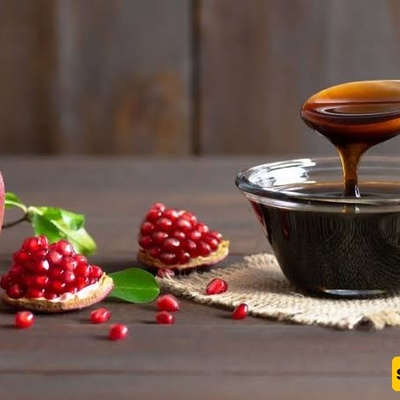
SAEDNEWS: Sour pomegranate molasses can significantly affect the flavor of Iranian stews and sauces. This guide explores effective ways to sweeten pomegranate molasses using sugar, honey, date syrup, and grape molasses, including recommended ratios, storage tips, and important precautions.
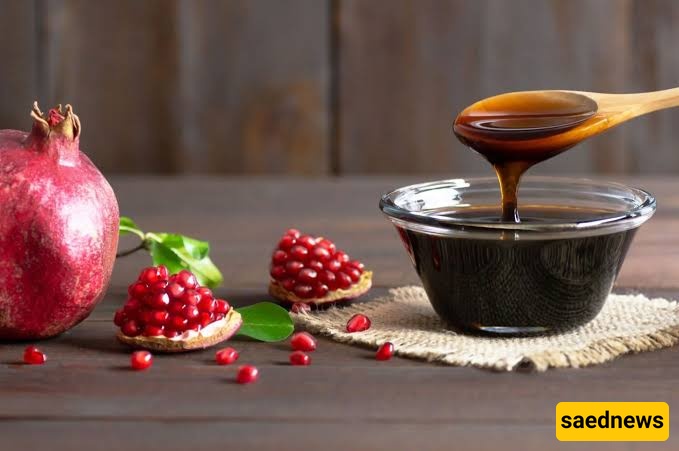
According to Saednews, Sour pomegranate molasses is a popular ingredient in Persian cuisine. However, sometimes its sourness is stronger than expected, affecting the flavor of dishes such as Fesenjan (Persian walnut and pomegranate stew), sour chicken, sour broth, and various sauces. When homemade or store-bought pomegranate molasses turns out too sour, many people either stop using it or try different methods to improve its flavor.
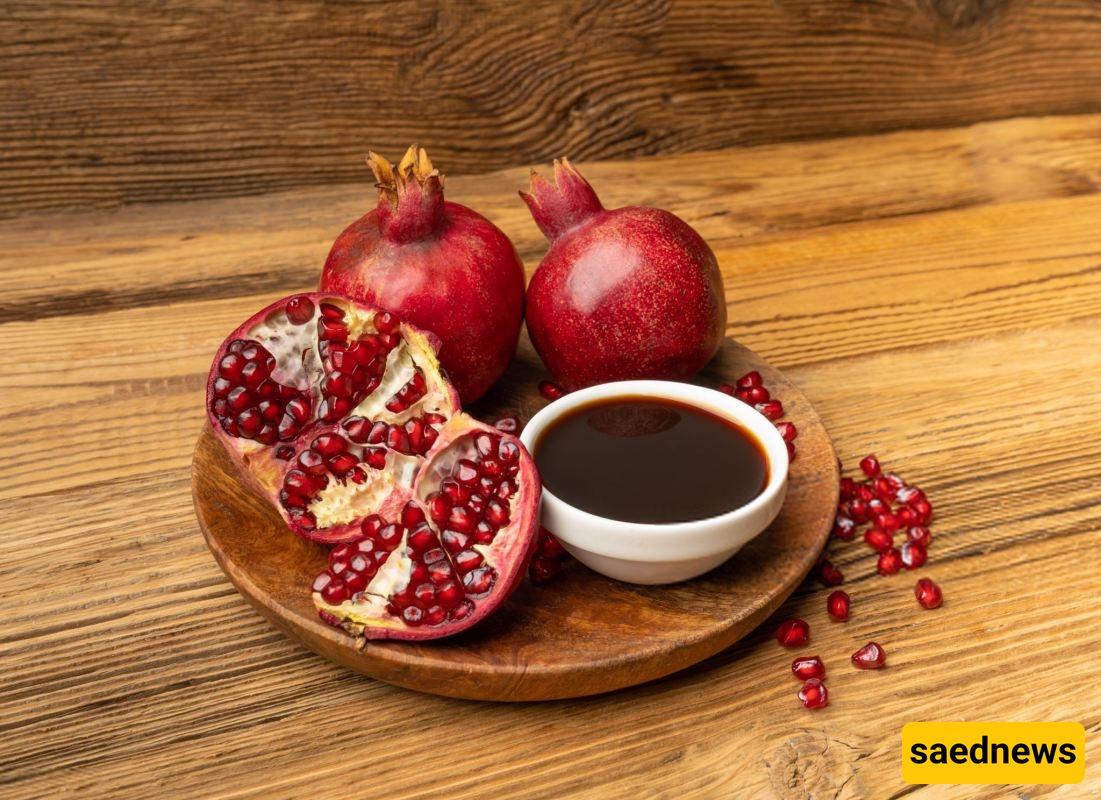
The sourness of pomegranate molasses depends on several factors, including the type of pomegranate, harvesting time, fruit ripeness, weather conditions, cooking duration, and whether sugar is added during preparation.
Unripe or naturally sour pomegranates produce more acidic molasses. Similarly, pomegranate molasses made entirely from pomegranate juice without added sugar tends to have a stronger sour taste.
It is important to remember that sourness is not necessarily a flaw. A balanced level of acidity is desirable in many recipes. However, when the sourness becomes overpowering and masks the other flavors in a dish, adjusting the taste may be necessary.
The goal is not to eliminate the sourness completely but to create a pleasant balance between sweetness and acidity.
Before exploring the different methods, keep these important tips in mind:
Add sweeteners gradually rather than all at once.
Stir thoroughly after each addition and wait a few minutes for the flavors to blend.
Liquid sweeteners may thin the molasses, requiring additional cooking to restore its consistency.
Always stir over low heat to prevent burning.
Maintain proper hygiene and storage conditions to extend shelf life.
Avoid excessive amounts of alkaline ingredients, such as baking soda, as they can affect the molasses' flavor and color.
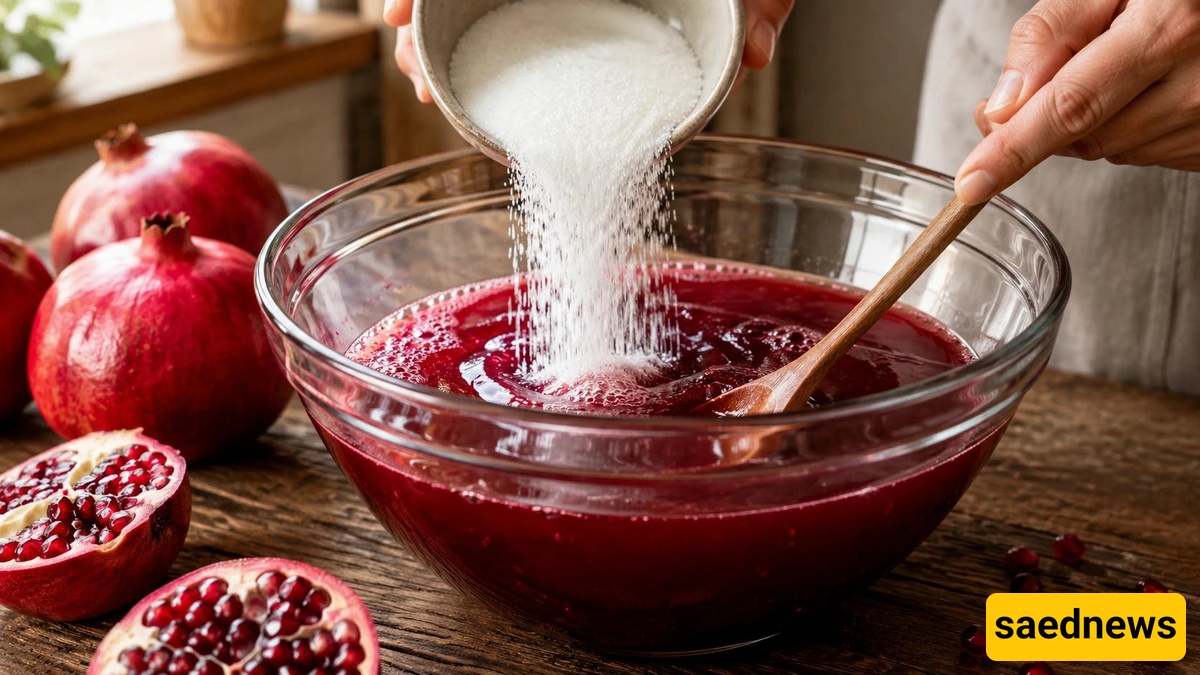
The simplest and most common way to sweeten sour pomegranate molasses is by adding sugar. Sugar has a relatively neutral flavor and does not significantly alter the molasses' natural aroma or color.
For every 1 kilogram (2.2 pounds) of sour pomegranate molasses, start by adding 100 grams (3.5 ounces) of sugar. If it is still too sour, gradually increase the amount to 200 or even 250 grams (7–9 ounces), depending on the level of acidity.
Instructions:
Add the sugar to the pomegranate molasses.
Place the mixture over low heat.
Stir continuously until the sugar dissolves completely.
Simmer for 5–10 minutes until the molasses thickens slightly.
Allow it to cool before tasting and adjusting the sweetness if necessary.
Keep in mind that sugar can release moisture and make the molasses appear thinner. Brief additional cooking can help restore its consistency.
One advantage of this method is that properly cooked molasses stored in a clean container can have a relatively good shelf life. However, adding too much sugar may make it taste more like pomegranate syrup and reduce its authentic flavor.
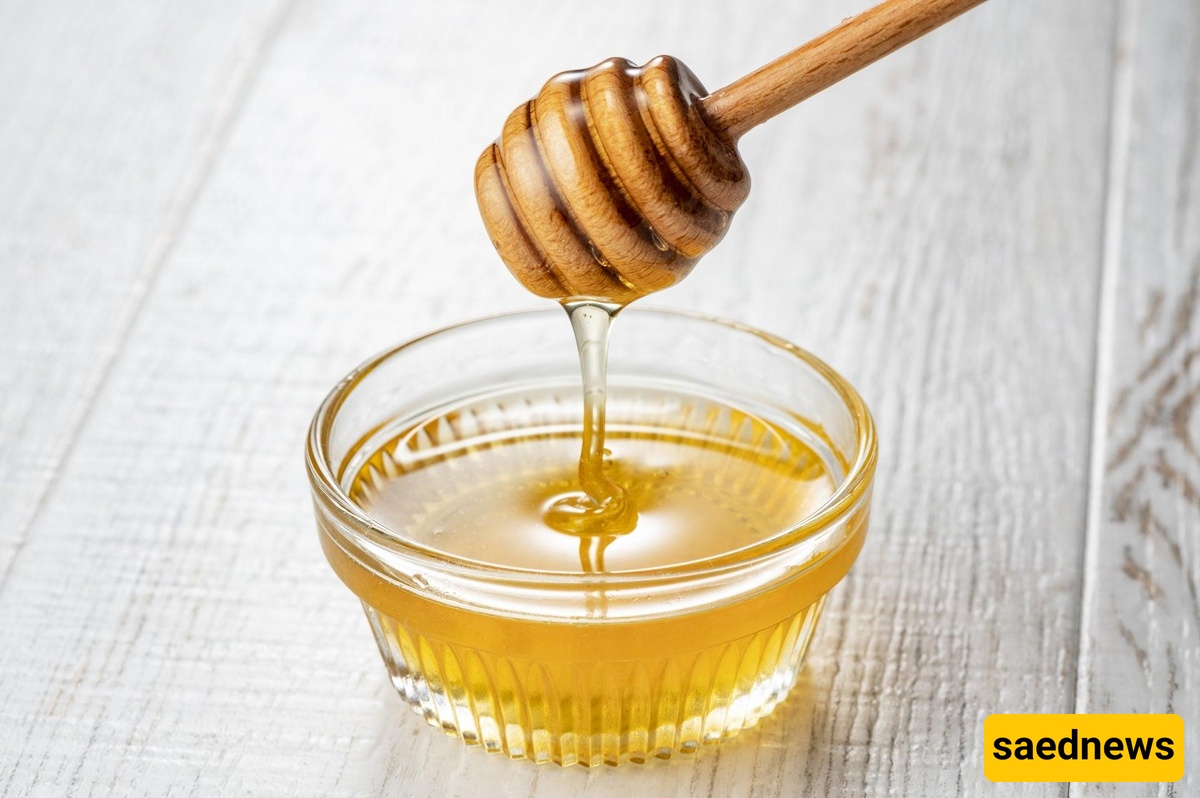
Honey is a natural sweetener that adds a distinctive aroma and flavor to pomegranate molasses.
For the best results, add honey after removing the molasses from the heat and allowing it to cool slightly. This helps preserve the honey's aroma.
The recommended ratio is approximately 5–15% of the molasses' weight. For 1 kilogram of pomegranate molasses, use 50–150 grams of honey.
Honey may slightly thin the molasses and darken its color. Since high temperatures can also alter its flavor, adding it toward the end of preparation is recommended.
Pomegranate molasses sweetened with honey should preferably be refrigerated and consumed within a shorter period. If you plan to store it for longer, sugar and thorough cooking may be more suitable options.
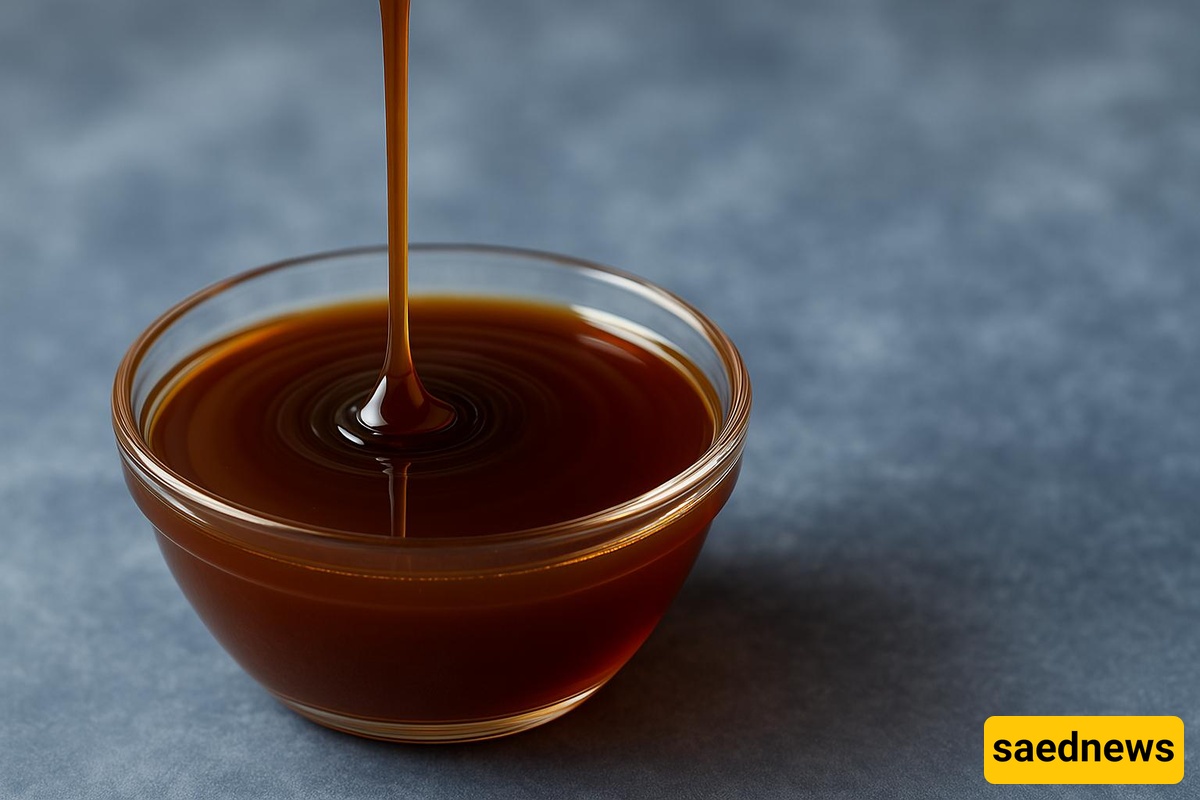
Date syrup is another excellent option for balancing the sourness of pomegranate molasses. It provides natural sweetness while adding an appealing texture and rich color.
For every 1 kilogram of pomegranate molasses, add approximately 100–200 grams of date syrup.
Instructions:
Add the date syrup to the molasses.
Place the mixture over low heat.
Stir for several minutes until completely combined.
Date syrup makes the molasses darker, so use a smaller amount if preserving its original color is important to you.
Because date syrup contains natural sugars, store the sweetened mixture in a clean glass container in the refrigerator.
This method works particularly well for stews and flavorful sauces.
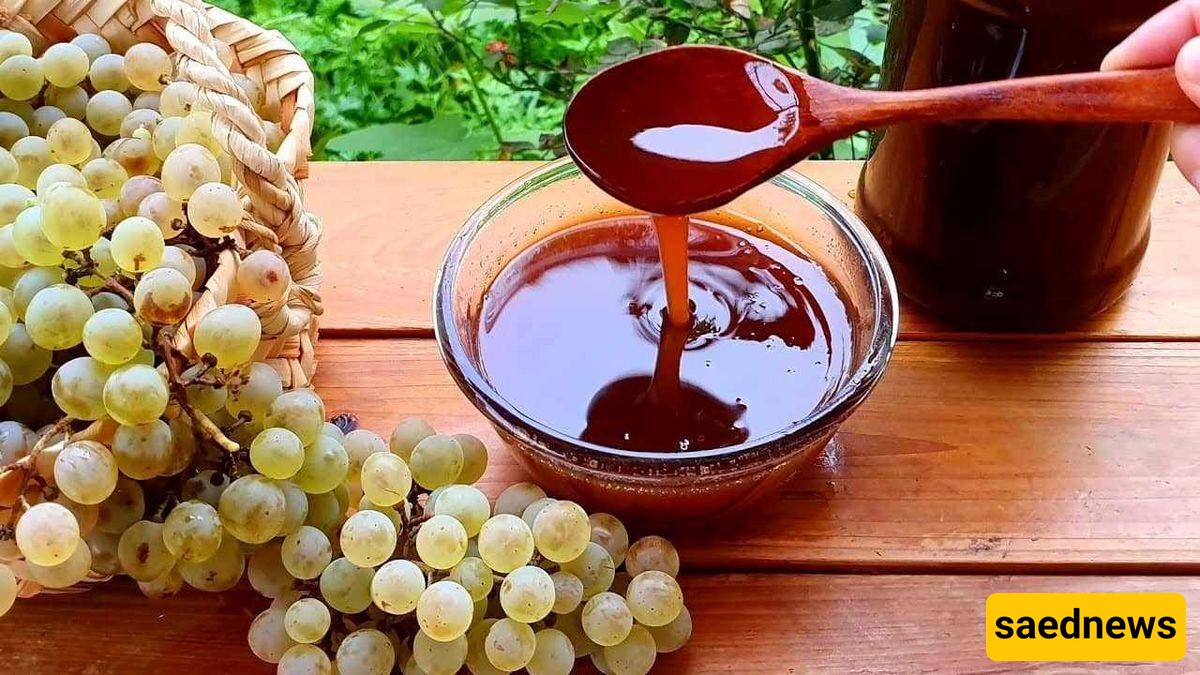
Grape molasses, concentrated apple juice, and sweet pomegranate juice can also help balance excessive sourness.
These ingredients add sweetness along with a subtle fruity aroma.
For every 1 kilogram of pomegranate molasses, add approximately 100–150 grams of grape molasses or concentrated fruit juice.
Mix the ingredients and simmer over low heat until the excess liquid evaporates and the desired consistency is achieved.
An important consideration is that these additions may reduce the product's shelf life. After mixing, cook the molasses thoroughly, transfer it to a clean, sterilized container, and refrigerate it.
If you intend to store it at room temperature, using sugar and following an appropriate, validated preservation process is a more suitable option.
For people who need to limit their sugar intake because of dietary restrictions or conditions such as diabetes, low-calorie sweeteners like stevia may be an option.
Stevia is significantly sweeter than regular sugar, so only a very small amount is needed. However, it may leave an aftertaste and does not improve the texture of pomegranate molasses in the same way sugar does.
If you choose stevia:
Dissolve a very small amount in a little pomegranate molasses.
Taste the mixture.
Gradually add more until you achieve the desired sweetness.
Remember that stevia does not provide the same preservation benefits as sugar. Therefore, refrigerate the molasses and consume it promptly.
Some home cooking methods recommend adding a tiny amount of baking soda to reduce the acidity of pomegranate molasses.
Baking soda is alkaline and can neutralize some of the acids present in the molasses. However, this method requires considerable care.
A suggested amount is as little as 1/8 teaspoon per kilogram of pomegranate molasses.
Dissolve the baking soda in a small amount of water before adding it to the molasses. Stir thoroughly. The mixture may foam or change color during the process.
Using too much baking soda can create an unpleasant, soapy taste and significantly affect the molasses' flavor.
For most situations, natural sweeteners are a better choice. Baking soda should not be considered a reliable preservation method.
Follow these simple steps to achieve a balanced flavor:
Pour the pomegranate molasses into a heavy-bottomed saucepan.
Set the stove to low heat and begin stirring.
Gradually add your preferred sweetener.
Simmer gently for 5–10 minutes.
Taste the mixture and add more sweetener if necessary.
If the molasses becomes too thin, continue cooking over low heat while stirring until excess moisture evaporates.
Transfer the molasses to a clean, dry glass container.
Allow it to cool and store it in the refrigerator.
Sweetened pomegranate molasses, especially varieties mixed with honey, date syrup, or fruit juice, may be more sensitive to spoilage than the original product.
To help maintain its quality:
Thoroughly wash and dry the glass container before use.
Use clean utensils when handling the molasses.
Keep the container tightly sealed.
Store it in the refrigerator.
Always use a clean, dry spoon when removing molasses.
If you notice mold, an unpleasant odor, or unusual discoloration, discard the product.
Also, if you have added liquid sweeteners, consume the molasses sooner rather than storing it for extended periods.
The best method depends on your taste preferences and how you intend to use the molasses.
Sugar: Best for maintaining a relatively neutral flavor.
Honey: Ideal for adding natural sweetness and a distinctive aroma.
Date syrup: Excellent for rich, flavorful stews and sauces.
Grape molasses: A great option for a deeper fruity sweetness.
Stevia: Suitable for those looking to reduce their sugar intake.
Baking soda: Can reduce acidity but should be used with extreme caution.
For the best results, add your chosen sweetener gradually and taste as you go. This will help preserve the characteristic flavor of pomegranate molasses while creating a more balanced and enjoyable taste.