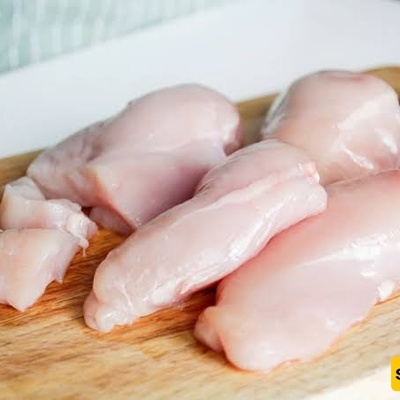
SAEDNEWS: The main difference between chicken breast and chicken tenderloin lies in their texture. Chicken breast is a moist and tender cut of meat, while tenderloin tends to have a drier, more fibrous texture.
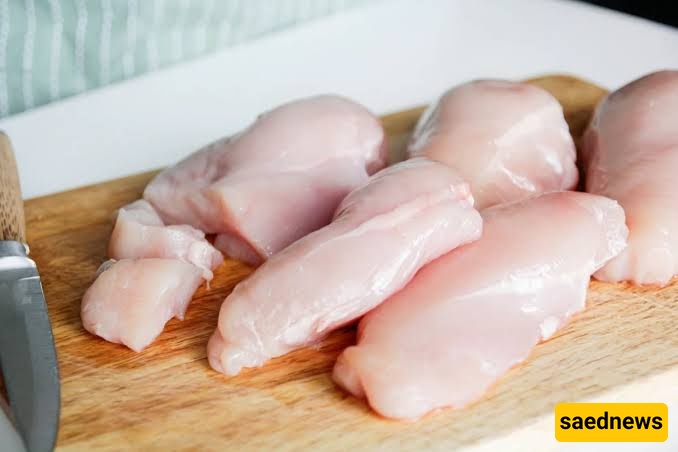
According to Saednews, Chicken breast and chicken tenderloin are two popular cuts of chicken, each offering unique benefits and distinct flavors that make them staples in a variety of recipes. Understanding their differences can help you choose the best option for your cooking needs and dietary preferences.
Chicken breast is known for being lean and rich in protein. It is a versatile cut favored by health-conscious individuals and works well with various flavors and cooking methods, from grilling to baking.
Chicken tenderloin, on the other hand, is a smaller, more delicate strip of meat located beneath the chicken breast. Its tender texture and smaller size make it ideal for quick-cooking dishes, including stir-fries, pan-fried meals, and grilled recipes.
Although the two cuts may look similar, several factors distinguish them, including nutritional content, cooking time, texture, and flavor.
Both chicken breast and tenderloin are considered white meat. However, they come from different parts of the chicken's breast muscles.
Chicken breast: The larger pectoralis major muscle, which makes up most of the breast.
Chicken tenderloin: The smaller pectoralis minor muscle, located directly beneath the breast.
Chicken breasts are generally larger, thicker, and firmer than tenderloins. Tenderloins are smaller, thinner, and naturally more delicate.
Because the tenderloin muscle performs less work, its meat tends to have a softer texture than the main breast muscle.
Feature | Chicken Breast | Chicken Tenderloin |
|---|---|---|
Size | Larger and thicker | Smaller and thinner |
Texture | Firmer | More tender |
Cooking time | Generally longer | Generally shorter |
Best uses | Baking, roasting, grilling | Stir-frying, quick pan-frying, grilling |
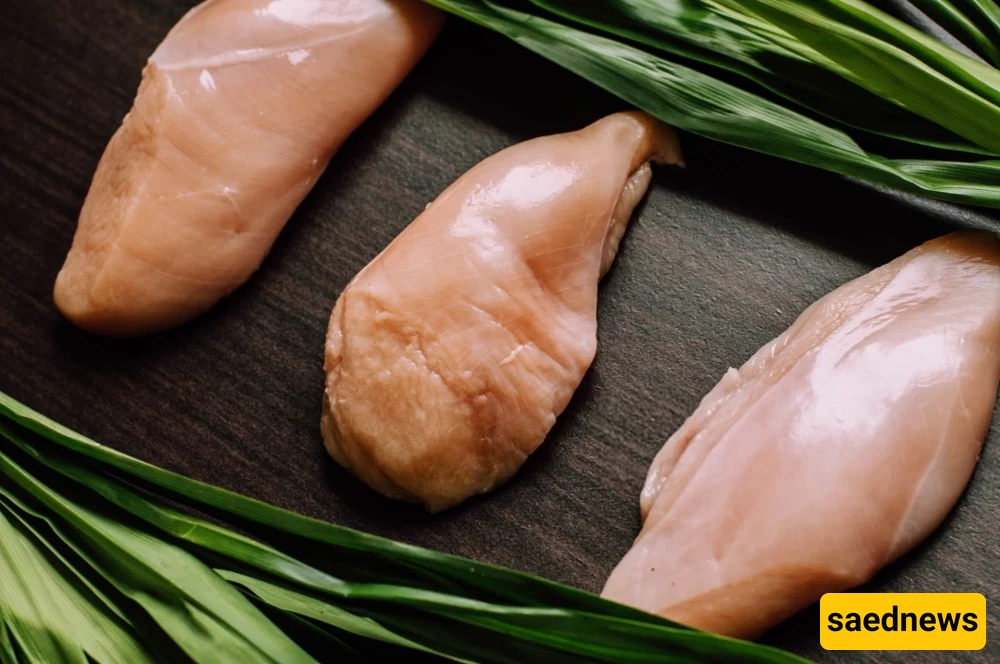
Chicken breasts are typically broad and relatively uniform in shape, while tenderloins are long, narrow strips of meat.
Tenderloins often have a visible white tendon running along one side. This connective tissue helps distinguish them from the main breast meat and can be removed before cooking if desired.
Both cuts are excellent sources of lean protein. However, their calorie, protein, and fat content can vary depending on preparation, trimming, and whether the meat is weighed raw or cooked.
Approximate nutritional values per 100 grams are as follows:
Nutrient | Chicken Breast | Chicken Tenderloin |
|---|---|---|
Calories | 165 kcal | 144 kcal |
Protein | 31 g | 26 g |
Based on these figures, chicken tenderloin provides fewer calories per 100 grams, while chicken breast contains more protein.
These figures are approximate and may vary depending on the source and preparation method.
Both cuts provide essential vitamins and minerals that support overall health.
Nutrient | Chicken Breast | Chicken Tenderloin |
|---|---|---|
Vitamin B6 | 0.5 mg | 0.4 mg |
Vitamin B12 | 0.3 mcg | 0.2 mcg |
Vitamin D | 15 IU | 10 IU |
Iron | 0.7 mg | 0.5 mg |
Magnesium | 29 mg | 26 mg |
Potassium | 340 mg | 310 mg |
Zinc | 1.0 mg | 0.8 mg |
Calcium | 11 mg | 9 mg |
Chicken breast contains slightly higher amounts of these nutrients in the figures above, making it a good option for those seeking a protein-rich food with a range of essential micronutrients.
Vitamin B12, in particular, plays an important role in red blood cell formation and normal nervous system function.
Both cuts can be prepared using several cooking methods. The main difference is that tenderloins cook faster, while chicken breasts often require more time to cook through because of their thickness.
Baking is a convenient way to prepare both cuts while preserving their flavor and moisture.
To prepare chicken in the oven:
Brush the chicken with olive oil and season with your preferred herbs and spices.
Preheat the oven to 175°C (350°F).
Bake until the chicken reaches an internal temperature of 74°C (165°F).
Cooking time varies depending on the thickness of the meat. Tenderloins generally cook faster than whole chicken breasts, so check them earlier to prevent them from drying out.
Steaming uses moist heat to cook chicken without requiring much added fat.
To steam chicken:
Place the chicken pieces in a steamer basket over simmering water.
Cover and cook until the meat reaches an internal temperature of 74°C (165°F).
Season with herbs, spices, or a light sauce before serving.
Steaming can help retain moisture and reduce the need for added oil, making it a suitable option for lighter meals.
Pan-frying and deep-frying are popular methods for preparing chicken with a golden exterior.
Boneless, skinless chicken is often preferred, and marinating the meat beforehand can enhance its flavor and tenderness.
For frying, cut the chicken into evenly sized pieces to help it cook consistently. Cook until the thickest part reaches 74°C (165°F).
Tenderloins are particularly suitable for quick frying because of their smaller size.
Grilling gives chicken a smoky flavor and lightly caramelized exterior.
To grill chicken successfully:
Preheat the grill to medium-high heat.
Season or marinate the chicken as desired.
Grill, turning as needed, until the thickest part reaches 74°C (165°F).
Tenderloins typically require less time on the grill than chicken breasts, so monitor them closely to avoid overcooking.
Chicken breast has a mild, versatile flavor that works well with a wide range of marinades, seasonings, and sauces. Its relatively neutral taste makes it suitable for everything from salads and sandwiches to curries and grilled dishes.
Chicken tenderloin tastes very similar to chicken breast because it comes from the same general area of the chicken. However, its softer texture can make it seem more delicate and enjoyable to eat.
Both cuts readily absorb marinades and seasonings, so their final flavor depends largely on how they are prepared.
Yes. Chicken tenderloin can replace chicken breast in most recipes, and chicken breast can also be used instead of tenderloin.
However, a few differences are worth considering:
Portion size: Tenderloins are smaller, so you may need several pieces to replace one chicken breast.
Cooking time: Tenderloins cook faster, so reduce the cooking time as needed.
Texture: Tenderloins are generally more delicate, while chicken breast has a firmer texture.
Seasoning: Both cuts work well with similar marinades, herbs, spices, and sauces.
When substituting one for the other, adjust the cooking time according to the thickness of the meat rather than relying solely on the recipe's original instructions.
Both chicken breast and chicken tenderloin can be part of a healthy, balanced diet. The better choice depends on your nutritional goals and cooking preferences.
Choose chicken breast if:
You want a high-protein food.
You prefer larger portions of lean meat.
You need a versatile ingredient for meal preparation.
You want a firm texture suitable for baking, roasting, and grilling.
Choose chicken tenderloin if:
You prefer naturally tender meat.
You want a cut that cooks quickly.
You enjoy stir-fries, grilled strips, or quick weeknight meals.
You prefer smaller pieces that are easy to portion.
Ultimately, neither cut is universally healthier than the other. Both provide high-quality protein, and their nutritional differences are relatively modest. Cooking methods and added ingredients, such as oil, butter, breading, and sauces, can have a greater impact on the overall nutritional value of a meal.