SAEDNEWS: Iran’s Foreign Minister Araqchi Says War Will Not Change Tehran’s Policies, Calls for Regional Security Framework Without Foreign Forces
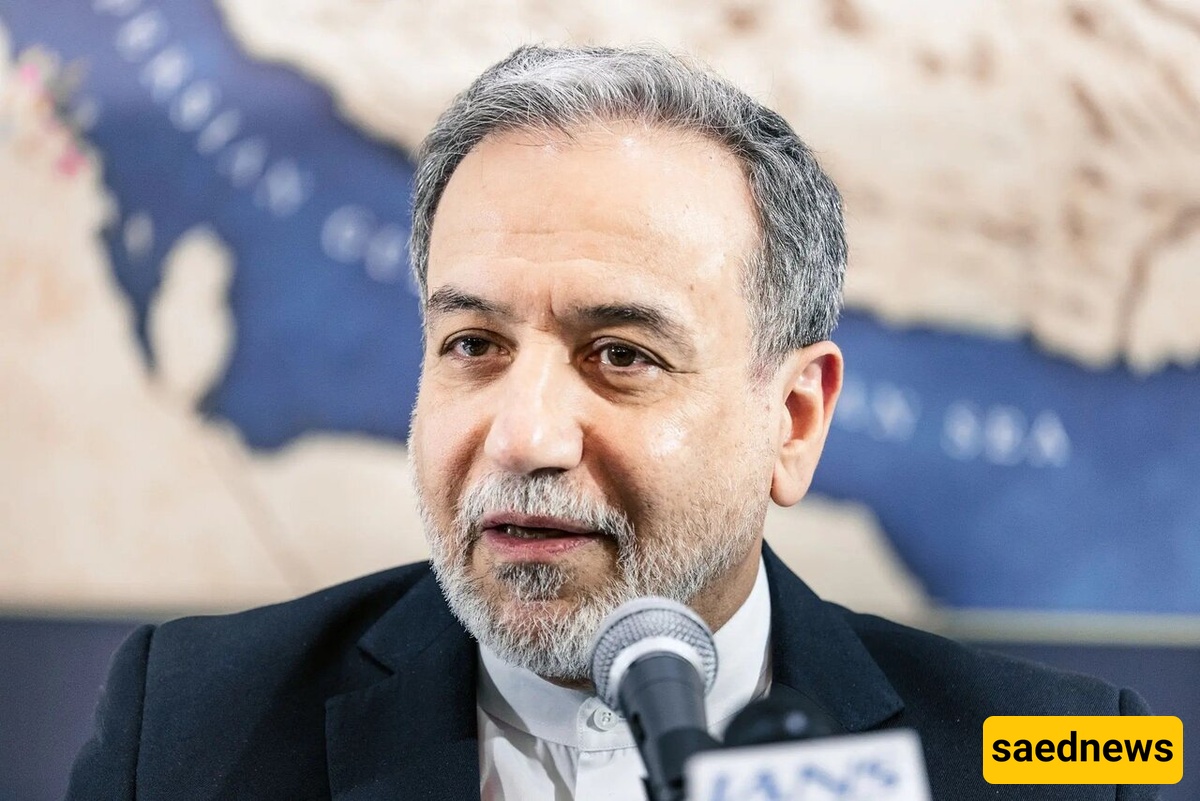
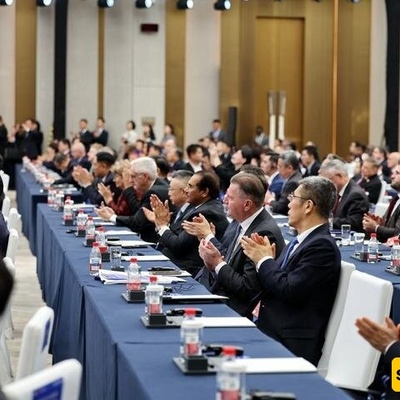
According to Saednews, Speaking at a special meeting in Tehran on Sunday commemorating the role of martyred diplomat Kamal Kharrazi in building consensus on foreign policy, Iranian Foreign Minister Abbas Araqchi reaffirmed Iran’s commitment to a regional order based on peace and stability, maintained by regional countries themselves without foreign interference.
Araqchi described the wars of the past 18 months, particularly the US-Israeli war against Iran, as a turning point, stressing that “nothing will be the same as before” following the conflict.
He said US military bases in the region have failed to provide peace and security for their host countries or other regional states. Instead, he argued, their presence has become a source of insecurity. Iran, he added, welcomes initiatives that enable regional countries to rely on their own capabilities.
The foreign minister said the role of the Israeli regime in regional tensions has become evident, accusing it of driving warmongering and repeatedly obstructing efforts to establish regional security and stability. He also accused Israel of seeking to fuel conflicts and weaken neighboring countries.
Araqchi called for the complete withdrawal of foreign forces as a prerequisite for lasting regional peace and stability, arguing that they had come to the region to protect Israel. Their continued presence, he warned, would only deepen insecurity across the region.
He added that recent developments had demonstrated that foreign forces were unable to protect Israel, their host countries or even themselves.
The Iranian foreign minister emphasized that regional conflicts could not be considered separately, saying peace could not be achieved in one part of the region while war and confrontation continued elsewhere.
Referring to negotiations with the United States mediated by Pakistan, Qatar and other parties, Araqchi said Iran had insisted that hostilities must end on all fronts. Without such an outcome, he warned, regional stability would remain unattainable.
Addressing the Strait of Hormuz, Araqchi noted that the strategic waterway had remained open for decades, with neither Iran nor Oman, its two coastal states, imposing restrictions on maritime traffic. Instead, he said, the two countries had worked to ensure maritime safety, security and environmental protection.
However, he stressed that the management of the Strait of Hormuz “will not be the same as before.”
Responding to renewed speculation about another war, Araqchi said Iran’s policies would remain unchanged regardless of whether hostilities resumed. He added that if reason prevailed, military aggression against the Iranian people would not be repeated.
Araqchi reiterated that Iran and other regional countries should coexist peacefully without foreign interference, describing this approach as the only path toward regional peace, security and stability.
He said Tehran had consistently pursued this policy and maintained relations with all countries in the Persian Gulf region.
Iran, he added, would continue efforts to develop a shared understanding of a new regional security framework, describing such an arrangement as essential to achieving lasting peace and stability.
The meeting also honored Kharrazi, whom Araqchi said had dedicated his life to serving Iran before being killed in an Israeli attack. He described the veteran diplomat as deeply committed to the ideals of the Islamic Revolution and widely respected for his thoughtful approach, consultation, dialogue and diplomatic engagement.
Kharrazi served as Iran’s foreign minister from 1997 to 2005 and as the country’s ambassador and permanent representative to the United Nations from 1989 to 1997. He was also a university professor and an advocate of multilateralism, international law and the peaceful resolution of disputes. His international activities included participation in the annual Leaders for Peace conference in Paris.
On April 1, 2026, the Israeli regime attacked Kharrazi’s residence in Tehran, critically injuring him and killing his wife. He died from his injuries on April 9.
Iran condemned the attack as an act of state terrorism, asserting that it violated international law and formed part of a broader campaign targeting Iranian civilians, civilian infrastructure and senior civilian officials during the war that began on February 28, 2026. Tehran also denounced what it described as US complicity in and support for the attack.