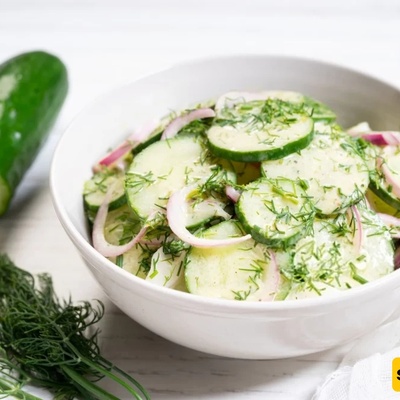
SAEDNEWS: Dill salad is a popular Iranian appetizer made with the fresh aroma of dill and a creamy yogurt dressing. It offers a unique flavor and is rich in vitamins and minerals that support overall health.
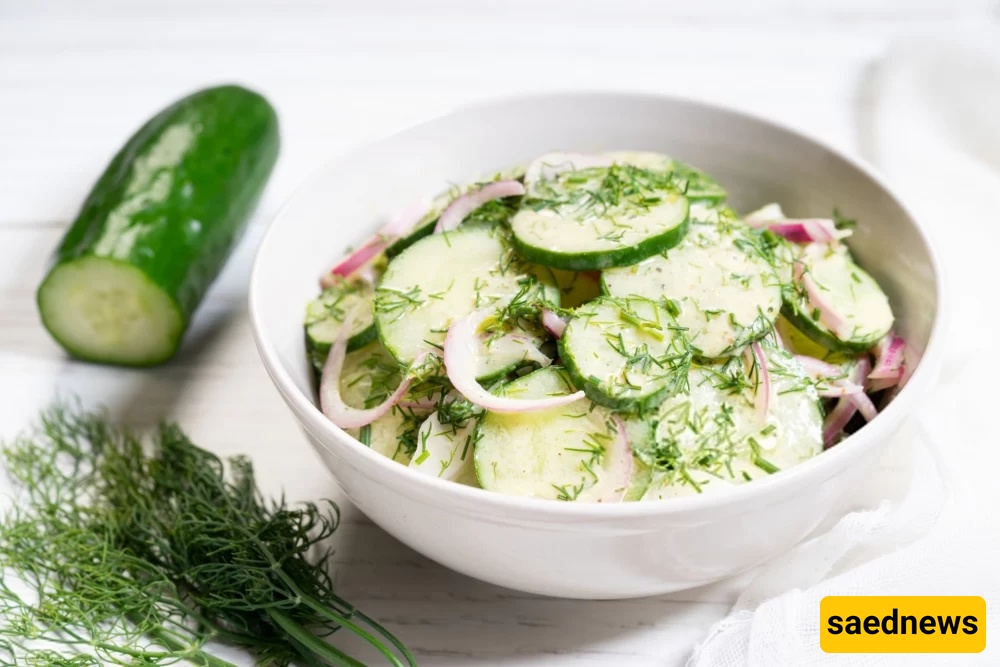
According to Saednews, Dill salad is a traditional Iranian-inspired salad known for its refreshing taste, fragrant herbs, and creamy dressing. Often served as an appetizer or alongside main dishes such as grilled fish, chicken, and kebabs, this salad combines fresh vegetables, aromatic dill, and a tangy yogurt dressing.
In this article, you’ll learn how to make dill salad step by step, along with practical tips for achieving the perfect flavor and texture.
Fresh dill is rich in various vitamins and plant compounds, while the vegetables provide fiber and essential nutrients. This salad is a delicious way to add freshness and variety to your everyday meals.
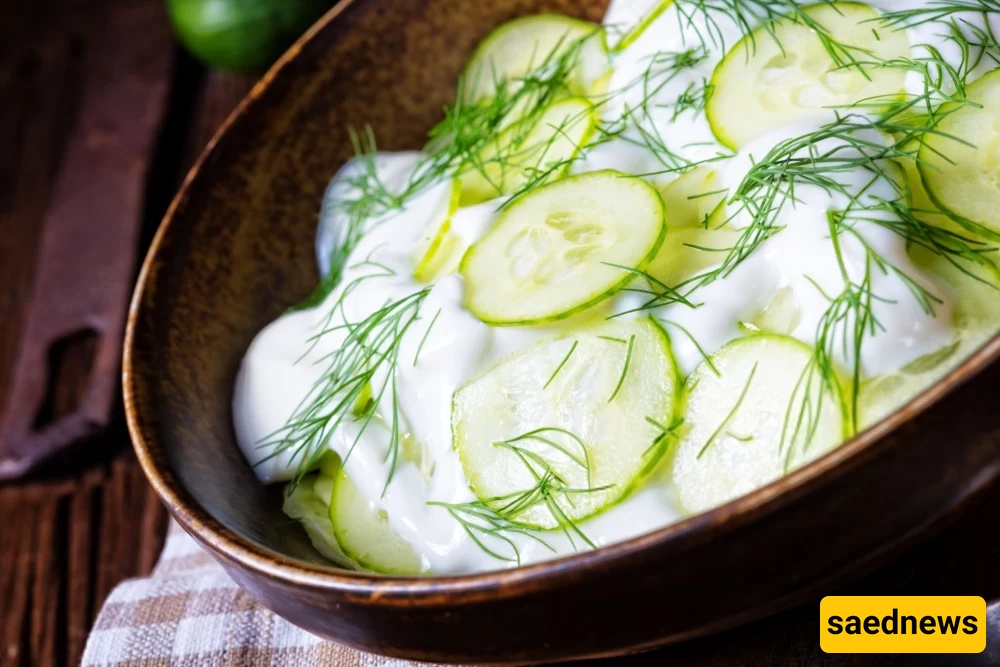
Dill is widely used in northern Iranian cooking, where it features in many traditional dishes. Over time, fresh herb salads have become popular throughout Iran, often served at family gatherings, celebrations, and everyday meals.
Dill salad offers a refreshing contrast to rich and hearty dishes. Its combination of fresh vegetables, aromatic herbs, and creamy dressing makes it a versatile addition to the Iranian dining table.
Fresh dill: 2 cups, chopped
Cucumber: 2 medium, diced
Tomatoes: 2 medium, diced
Scallions: 5–6, chopped
Lettuce: 1 small head, chopped
Fresh parsley: ½ cup, chopped
Fresh mint: ¼ cup, optional
Greek yogurt or strained yogurt: 1 cup
Fresh lemon juice: 2 tablespoons
Olive oil: 2 tablespoons
Salt: to taste
Black pepper: ½ teaspoon
Garlic: 1 clove, grated
Chopped walnuts
Raisins
Dried rose petals
Fresh dill sprigs
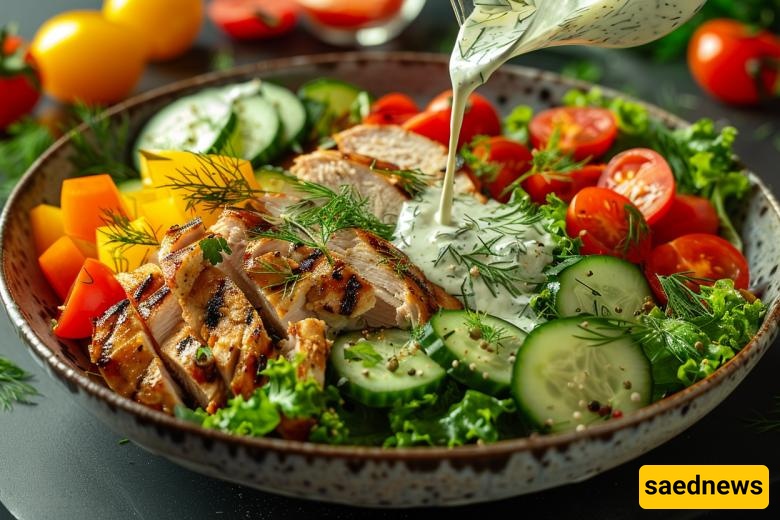
Wash all the vegetables and herbs thoroughly, then dry them completely.
Finely chop the fresh dill without crushing it. Dice the cucumbers and tomatoes, slice the scallions, and cut the lettuce into thin strips. Chop the parsley and mint if using.
Drying the vegetables well helps prevent excess moisture from making the salad watery.
In a medium bowl, combine the Greek yogurt, lemon juice, olive oil, salt, black pepper, and grated garlic.
Mix until smooth and creamy. Refrigerate the dressing for a few minutes if you want the flavors to blend before combining it with the vegetables.
Place the chopped vegetables and herbs in a large bowl. Toss gently to distribute the ingredients evenly.
Add the yogurt dressing gradually, stirring carefully until the vegetables are lightly coated. Avoid overmixing to preserve their crisp texture.
Cover the bowl and refrigerate for 30 minutes to 1 hour before serving. This helps the flavors blend and makes the salad more refreshing.
For the best texture, avoid refrigerating the dressed salad for too long.
Transfer the salad to a serving dish and garnish with chopped walnuts, raisins, or dried rose petals, if desired.
Serve chilled as an appetizer or alongside grilled fish, chicken, kebabs, or other main courses.
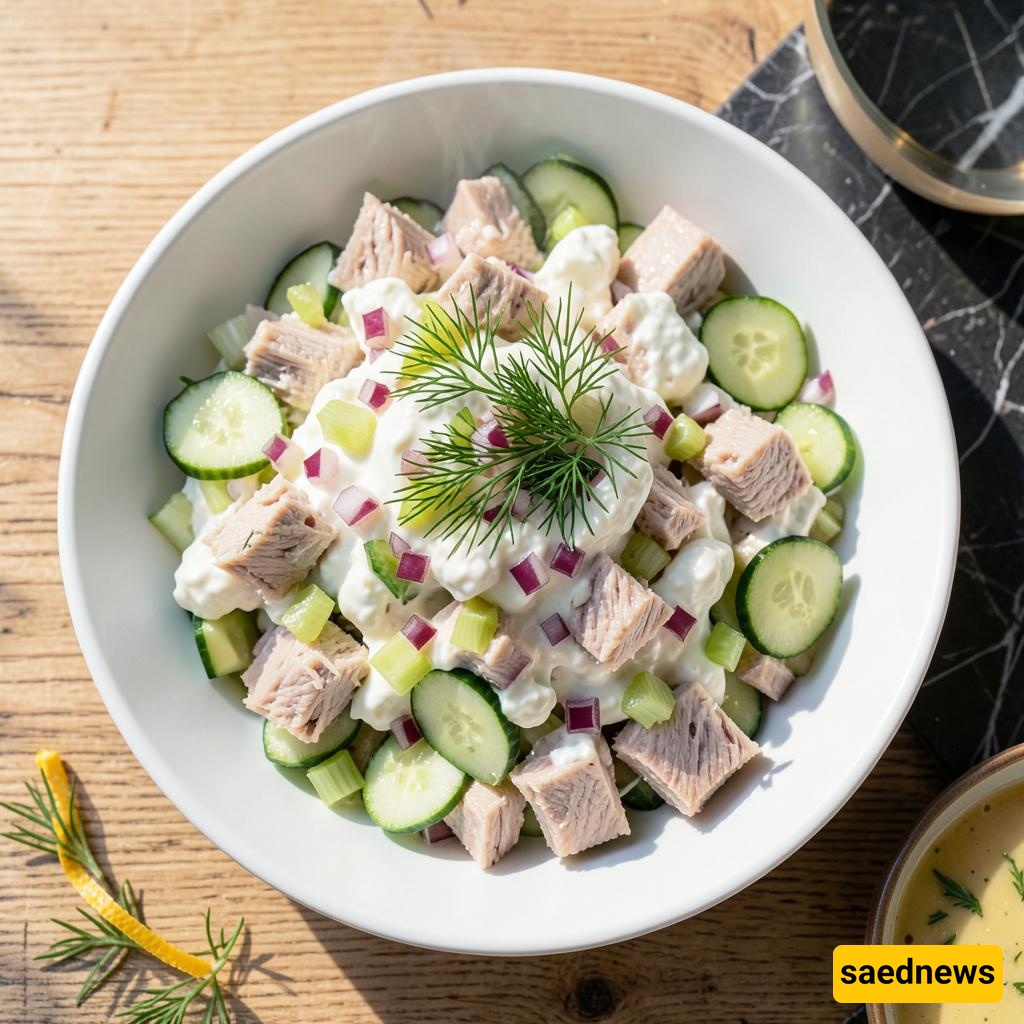
Fresh, aromatic dill is the key to this salad's distinctive flavor. Choose crisp cucumbers, ripe tomatoes, and fresh herbs. Frozen dill can be used as an alternative, although the texture may differ.
Dill should be the dominant flavor without overpowering the other vegetables. Avoid adding too many tomatoes, as their juice can make the salad watery.
Greek yogurt or strained yogurt creates a rich, creamy dressing that coats the vegetables well. If using regular yogurt, strain it through a clean cheesecloth in the refrigerator to remove excess liquid.
Allowing the salad to rest in the refrigerator for 30 minutes to 1 hour helps the flavors develop. Add the dressing shortly before serving if you want to preserve maximum crispness.
Dill Salad with Chicken: Add cooked, shredded chicken breast to make the salad more filling and increase its protein content.
Dill Salad with Fish: Mix in smoked fish or canned tuna for a savory variation that works well as a light lunch.
Dill Salad with Avocado: Add diced avocado for a creamy texture and a source of healthy unsaturated fats.
Dill Salad with Feta Cheese: Sprinkle crumbled feta over the salad for a salty, tangy flavor that complements the fresh herbs.
The vegetables and herbs supply vitamins, minerals, and beneficial plant compounds. The exact nutritional value depends on the ingredients and quantities used.
The vegetables contribute dietary fiber, which supports normal digestion and bowel function.
Fresh dill, parsley, and other herbs contain antioxidant compounds that help protect cells from oxidative stress.
Dill salad can be a satisfying addition to a balanced diet. Vegetables provide volume and fiber, while yogurt adds protein. The overall calorie content depends on the dressing and optional toppings.
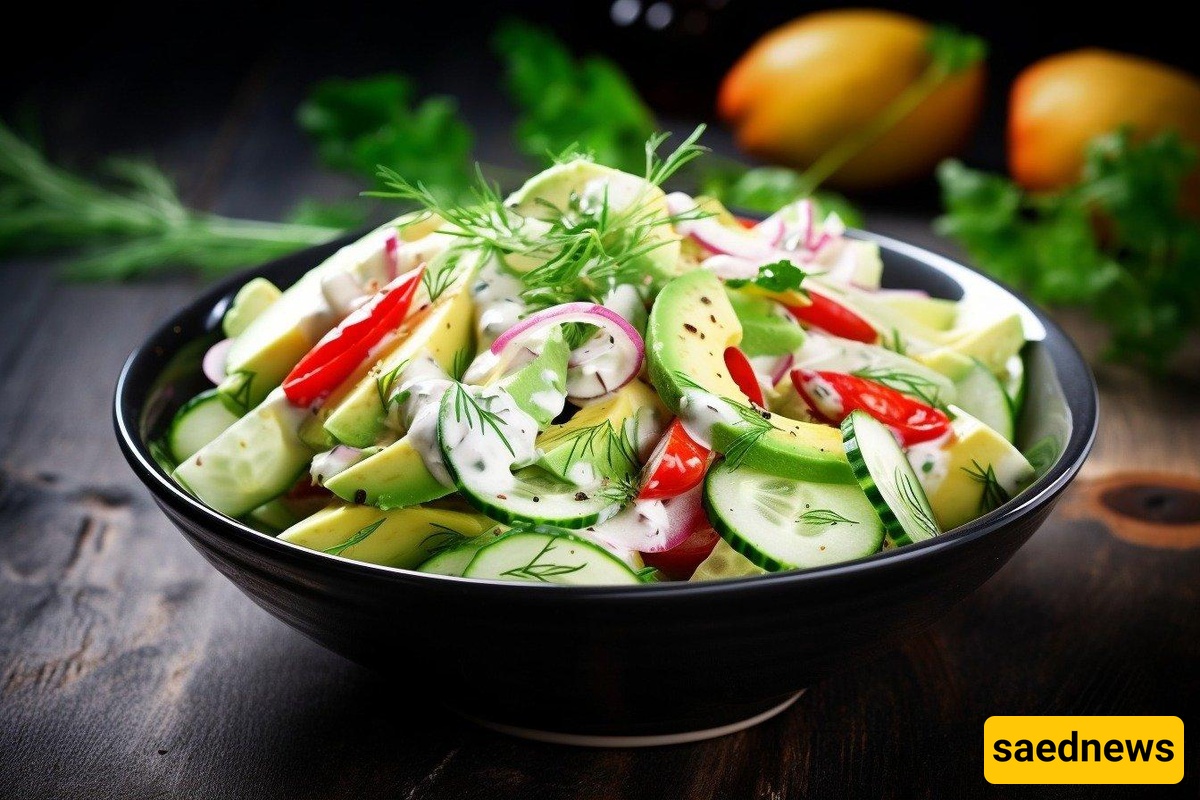
Fresh dill is the best choice for its bright aroma and flavor. Frozen dill is a suitable alternative when fresh dill is unavailable. Dried dill can also be used, but it produces a different taste and texture.
Store the salad in an airtight container in the refrigerator and consume it within 24 hours for the best quality. The vegetables may release water and become softer over time.
Yes. You can use a dressing made with lemon juice and olive oil or try a pomegranate-based dressing. These alternatives create a lighter salad with a different flavor profile.
Dill salad pairs well with grilled fish, roasted chicken, kebabs, and other main courses. It can also be served as a light meal with an additional source of protein.
Dill salad is a fresh, flavorful, and easy-to-prepare dish that combines aromatic herbs, crisp vegetables, and a creamy yogurt dressing. With fresh ingredients, the right balance of flavors, and a short chilling period, you can prepare a delicious salad for everyday meals or special occasions.
Whether you serve it alongside traditional Iranian dishes or customize it with chicken, fish, avocado, or feta cheese, dill salad offers a versatile and refreshing addition to your table.