SAEDNEWS: Hardened jam can be softened by gently heating it and gradually adding water or natural fruit juice, provided there are no signs of spoilage. In this section, Delgarm explains why jam becomes too hard and how to prevent it.
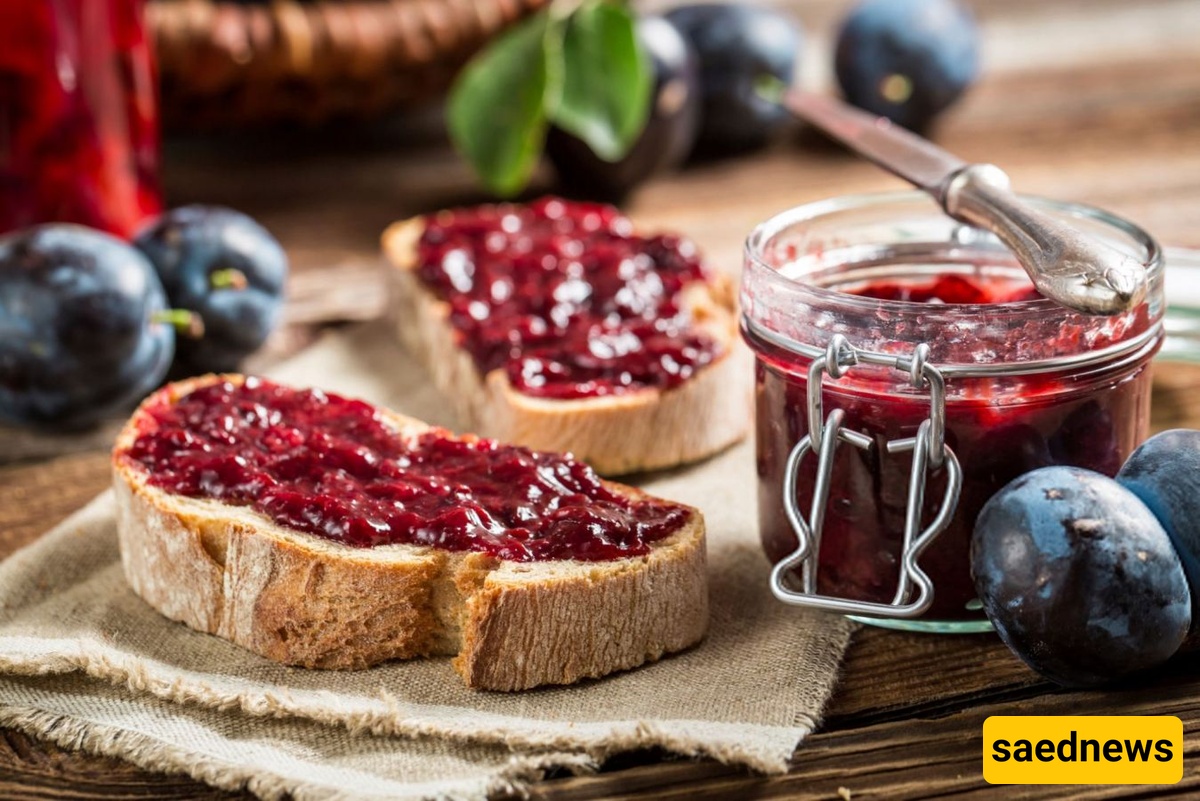
According to Saednews, Thickened jam is a common household problem that usually occurs after prolonged cooking, refrigeration, or an imbalance in the ratio of sugar to fruit. When jam develops a firm, jelly-like consistency or even becomes similar to caramel, many people throw it away. However, in most cases, it can be softened using a few simple methods.
Jam becoming too thick does not always mean it has spoiled. In many cases, its consistency has simply become too concentrated, or the sugar has undergone changes. The main reasons include:
The longer jam boils, the more water evaporates. As a result, the jam becomes thicker, heavier, and firmer. This is especially likely when the heat is too high or the cooking time is not properly controlled.
Excess sugar does more than increase sweetness. Once the jam cools, it can make the texture firmer. In some cases, excess sugar can also cause crystallization.
Some fruits, such as apples, quinces, citrus fruits, and certain varieties of plums, contain high levels of pectin. If these fruits are not balanced with lower-pectin fruits or are cooked for too long, the jam may become excessively gelatinous and firm.
If the fruit is very ripe, dry, or naturally low in moisture, the jam may thicken more quickly. Under these conditions, the water in the fruit may evaporate before the jam reaches its desired flavor and consistency.
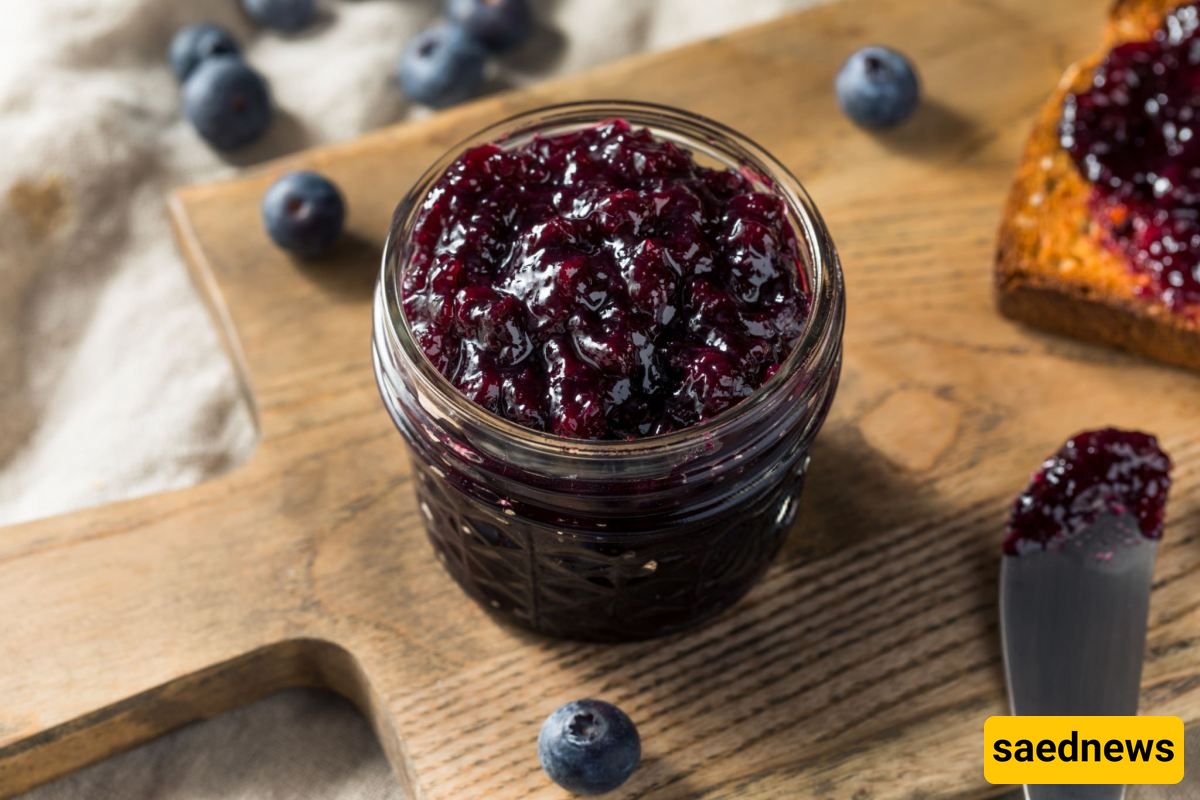
Sometimes jam becomes firm in the refrigerator but remains soft at room temperature. This is usually normal and does not necessarily indicate spoilage. If the jam has only hardened in the refrigerator, remove the required amount and leave it at room temperature for a few minutes.
If the jam feels grainy or sandy, or contains tiny sugar crystals, it has probably crystallized. This differs from ordinary thickening and can often be corrected by gently heating the jam and adding a little water.
Before trying to fix the jam, determine what has caused the problem. If the jam has simply become thick but retains its normal smell, appropriate color, and an intact surface, it may be possible to restore its consistency.
However, jam should not be consumed if it shows signs of spoilage, including:
Mold on the surface or beneath the lid.
An alcoholic, sour, or otherwise unpleasant smell.
Excessive bubbling or unusual foaming.
Significant and unusual discoloration.
An unexplained sour or bitter taste.
If any of these signs are present, discard the jam. Attempting to fix spoiled jam is unsafe and is not recommended.
If the jam is safe to eat and has only become too firm, the following methods can help restore its texture. The key is to use gentle heat and add liquid gradually.
Transfer the thickened jam to a suitable saucepan and place it over very low heat. Stir gently to help soften the texture.
Avoid high heat and vigorous boiling, as these can cause the jam to thicken further or alter its flavor.
For every 250 grams of jam, add one to two tablespoons of boiled water. If the jam is extremely firm, you can increase the amount to three tablespoons.
Add the water gradually, stirring gently after each addition. Avoid adding too much, as this may make the jam runny and shorten its storage life.
If you want to preserve the jam's flavor, consider replacing water with apple juice, orange juice, or another fruit juice that complements its color and taste.
This method can be particularly effective for thickened jam. The juice softens the texture while adding a fresh aroma and flavor.
Place the jar or heat-safe container of jam inside a larger vessel filled with warm water. Indirect heat gradually softens the jam while reducing the risk of burning.
Stir the jam every few minutes to distribute the heat evenly.
Transfer the jam to a microwave-safe container and heat it at low power in short intervals. Stir after each interval.
This method is quick, but take care not to overheat the jam.

Follow these steps to restore the consistency of your jam:
Transfer the required amount of jam to a small saucepan.
Place the saucepan over low heat.
Add one tablespoon of boiled water or fruit juice.
Stir gently until the jam warms evenly.
If it remains too thick after a few minutes, add a little more liquid.
Turn off the heat and allow the jam to cool slightly.
Check the consistency. If it has softened and is easy to use, transfer it to a clean container.
Store the adjusted jam in the refrigerator and consume it promptly.
If you bring the jam back to a boil after adding water, simmer it for a few minutes to allow some excess liquid to evaporate. Then transfer it to clean, dry jars.
Keep the adjusted jam refrigerated and do not assume that reheating or placing it in hot, sterilized jars makes it shelf-stable. Once water has been added, its original preservation conditions may no longer apply.
After softening the jam, follow these precautions:
Use a clean, dry container.
Keep the adjusted jam refrigerated.
If you have added a significant amount of water, consume it within a few days.
Avoid putting a wet spoon into the jar.
If you have reheated the jam, handle and store it safely rather than relying on hot jars alone for preservation.
Prevention is the best way to avoid this problem. To maintain the right consistency:
Maintain a balanced ratio of sugar to fruit.
Use moderate, controlled heat during cooking.
Avoid cooking the jam for too long.
Avoid excessive or prolonged stirring.
Check the consistency before the jam cools completely, remembering that it will naturally become firmer as it cools.
The simplest solution: If your jam is not spoiled but has become too thick, gently warm a small portion and gradually add one or two tablespoons of boiled water or suitable fruit juice per 250 grams of jam until it reaches the desired consistency.