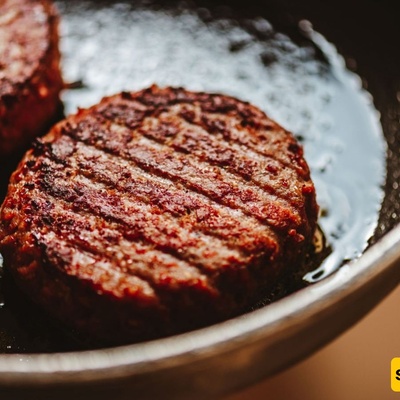
SAEDNEWS: Homemade burgers can fall apart during frying due to an improper fat ratio, excess moisture, incorrect mixing, or unsuitable cooking temperatures. This article explores the main causes and how to prevent them.
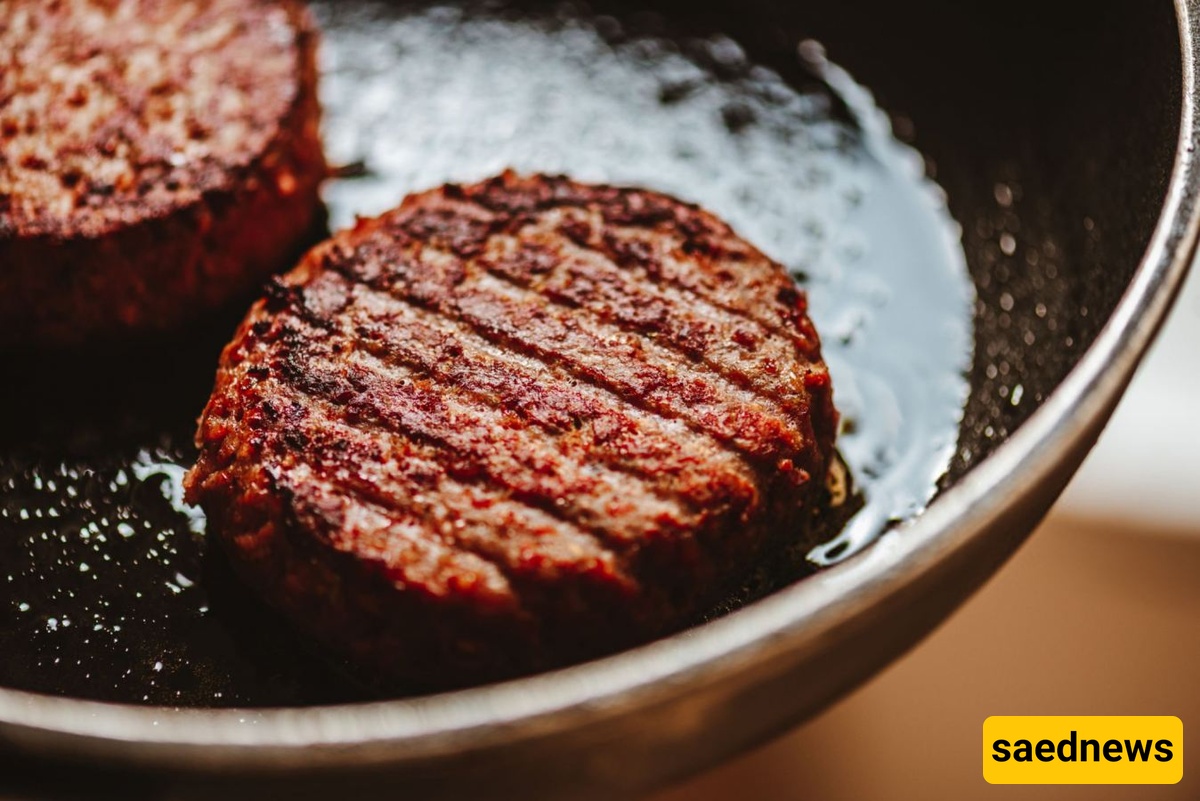
According to Saednews, Homemade burgers are a popular comfort food, but many people struggle with patties falling apart in the pan. A burger may break when flipped, pressed with a spatula, or even before a browned crust forms. This usually happens because of an improper ingredient balance, excess moisture, insufficient fat, incorrect mixing, or improper cooking techniques. This article explores the main reasons homemade burgers fall apart, offers practical solutions, and provides a reliable basic recipe.
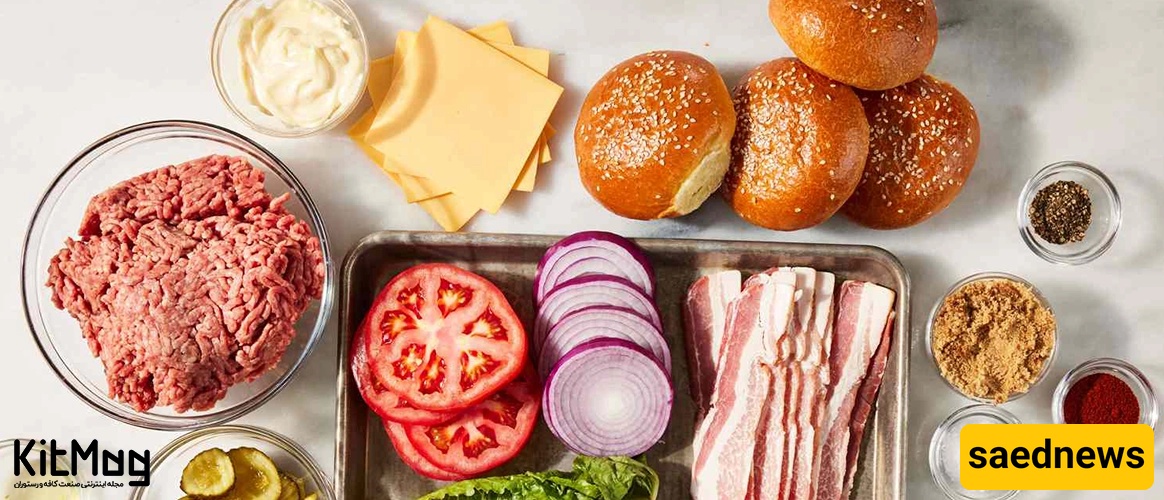
One of the main reasons homemade burgers fall apart is the type of meat and its fat content. Very lean ground beef may not provide the ideal balance of proteins and fat needed for a juicy, cohesive patty. Fat enhances flavor and juiciness while also helping the burger maintain its structure.
In general, ground beef containing around 15–20% fat is ideal for homemade burgers. Using completely lean meat can result in dry, fragile patties that are more likely to crumble. Fresh, chilled ground beef also tends to hold its texture better. Meat that has been ground multiple times or processed until excessively soft may lose its desirable texture.
Grinding meat at home using a medium grinding plate produces a better texture. If the meat is ground too finely, it can become paste-like and fall apart during cooking.
Adding salt before shaping can also alter the meat's protein structure and affect its texture. For better control, season the patties shortly before cooking or sprinkle salt over their surfaces.
Excess moisture is one of the most common reasons burger patties fall apart. Grated onions, garlic, juicy vegetables, excessive sauces, or thawed meat that still contains excess liquid can make the mixture too loose. When the mixture is too wet, the proteins may not bind properly, causing the patties to break apart in the pan.
To prevent this, squeeze excess liquid from grated onions and vegetables before adding them to the meat. If you use eggs, breadcrumbs, or a panade (a mixture of bread and liquid used as a binder), keep the quantities under control.
Too much egg can give the burger a meatball-like texture, while excessive breadcrumbs can overpower the natural flavor of the beef. In many professional burger recipes, eggs and breadcrumbs are unnecessary when the meat has an adequate fat content.
Overmixing compresses and tightens the meat proteins, resulting in burgers that are rubbery or tough. On the other hand, insufficient mixing can leave the ingredients unevenly distributed, causing parts of the patty to separate.
The best approach is to mix gently with your fingertips or two forks, just until the ingredients are combined.
If you add onions, garlic, seasonings, or binders, incorporate them gently into the meat. Avoid using a food processor or electric mixer, as these can alter the meat's texture too much.
Related article: Essential Seasonings for Homemade and Restaurant-Style Burgers
Incorrect shaping is another reason homemade burgers fall apart. Patties that are too thin can break easily in the pan, while patties that are too thick may burn on the outside before cooking through on the inside.
A thickness of approximately 1.5–2 cm (0.6–0.8 inches) is generally suitable.
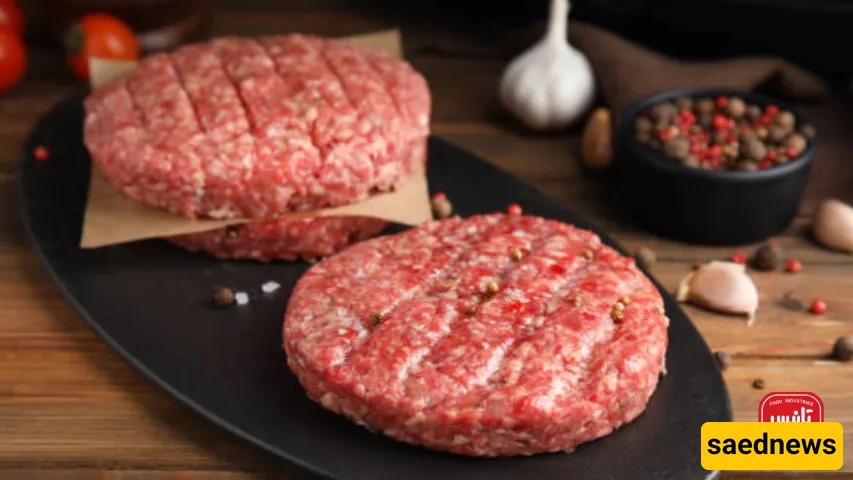
When shaping the patties, avoid compressing the meat too firmly. Make a small indentation in the center of each patty to help it maintain a more even shape as the meat contracts during cooking.
After shaping, refrigerate the patties for at least 30 minutes. This resting period helps the patties firm up, making them less likely to break apart during frying.
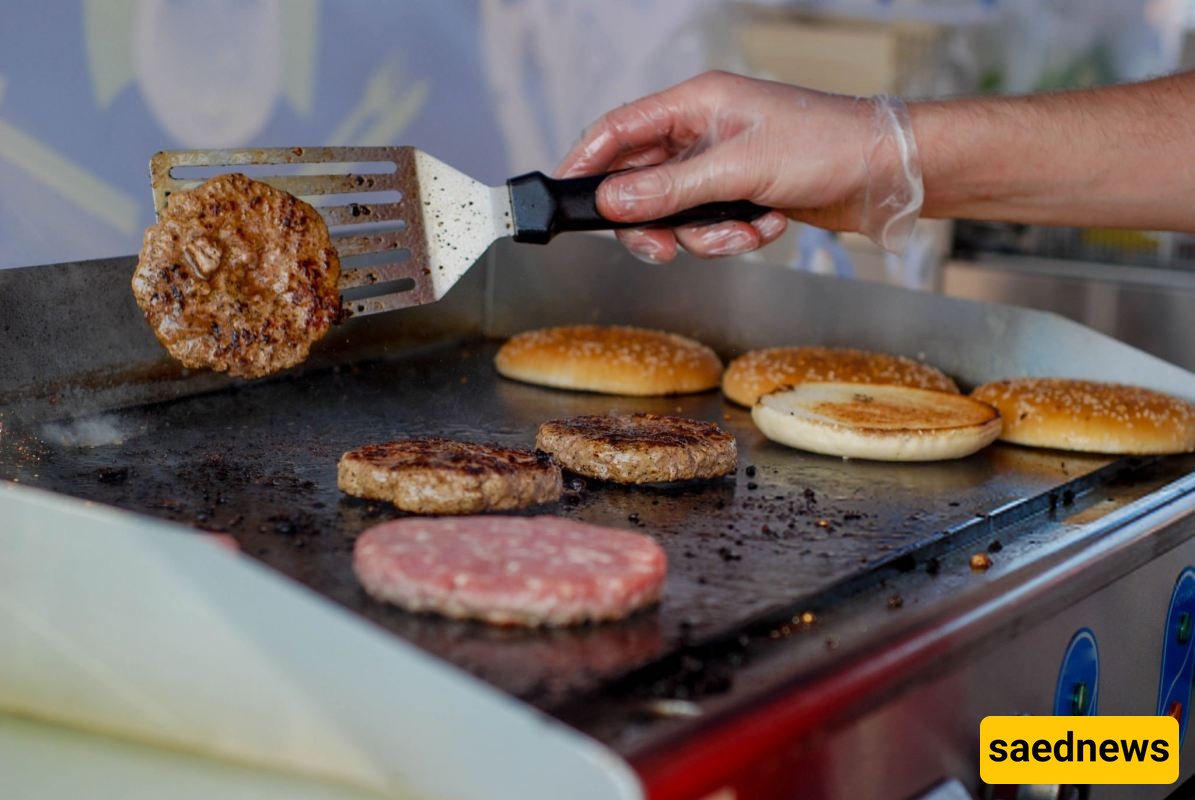
If the meat is cold and placed in a cold pan, it may stick to the surface and break apart. Preheat the pan thoroughly, but avoid excessive heat that could burn the outside while leaving the center undercooked.
A cast-iron skillet or a nonstick pan with a thick base helps distribute heat more evenly.
Never press the burger with a spatula while it cooks. Pressing forces out the juices and fat and can compromise the patty's structure. Flip the burger only once whenever possible, as repeated flipping increases the risk of it breaking apart.
Common mistakes include:
Using meat that is too lean or contains very little fat.
Adding grated onions without squeezing out excess liquid.
Using too much egg or too many breadcrumbs.
Overmixing the meat in a food processor.
Salting the meat too early.
Shaping patties that are too thin or too thick.
Skipping the refrigeration step before cooking.
Placing cold meat in a cold pan.
Pressing the patties with a spatula while frying.
Flipping the patties repeatedly before a browned crust forms.
Using a thin pan that distributes heat unevenly.
Adding sauces or acidic ingredients directly to the meat mixture.
Even if you follow all the recommended steps, a patty may occasionally start to crumble. Fortunately, there is no need to throw it away. Here are a few practical ways to salvage it:
If the patty develops small cracks: Gently bring the pieces together with a spatula without pressing down. Reduce the heat slightly and allow a crust to form.
If the patty breaks apart completely: Serve the cooked meat as crumbled beef or shape it into smaller slider portions and place them in buns.
Turn it into a flavorful alternative: Add the crumbled meat to tomato sauce, barbecue sauce, or a specialty sauce and serve it as a homemade taco filling.
Save it for another meal: Use the cooked meat in pasta, lasagna, or pizza.
However, prevention is always the best solution. Maintaining the right balance of fat and moisture, mixing the meat gently, shaping the patties properly, and cooking them at the correct temperature can significantly reduce the chances of homemade burgers falling apart.