SAEDNEWS: In the world of coffee, Arabica and Robusta are the two main varieties, each offering its own distinctive characteristics. But what is the ideal way to combine them? In this article, we explore the best ratios and key tips for creating a well-balanced blend.
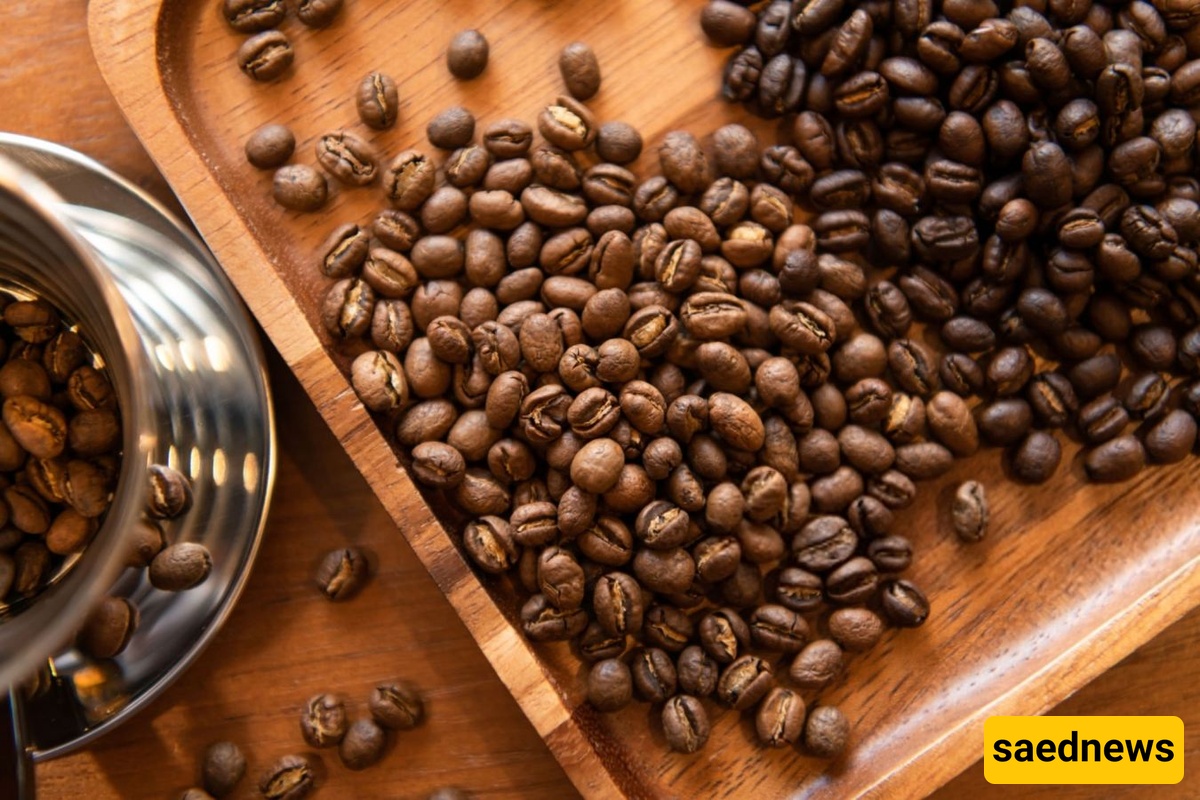
According to Saednews, Coffee is a magical beverage that has always held a special place in the hearts of enthusiasts thanks to its incredible variety. In the world of coffee, two main species—Arabica and Robusta—each offer a distinctive experience with their own unique characteristics.
One question frequently asked by baristas, coffee professionals, and even home coffee drinkers is: What is the best Arabica-to-Robusta coffee ratio? The answer depends not only on personal taste, but also on the brewing method, bean characteristics, roast level, and the purpose of the coffee.
This guide takes an in-depth look at both species, explains why they are blended, explores common ratios, and shares practical tips for creating an exceptional cup.
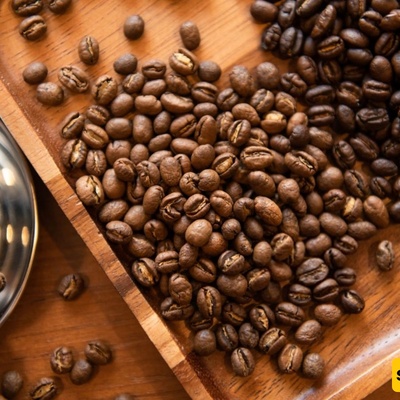
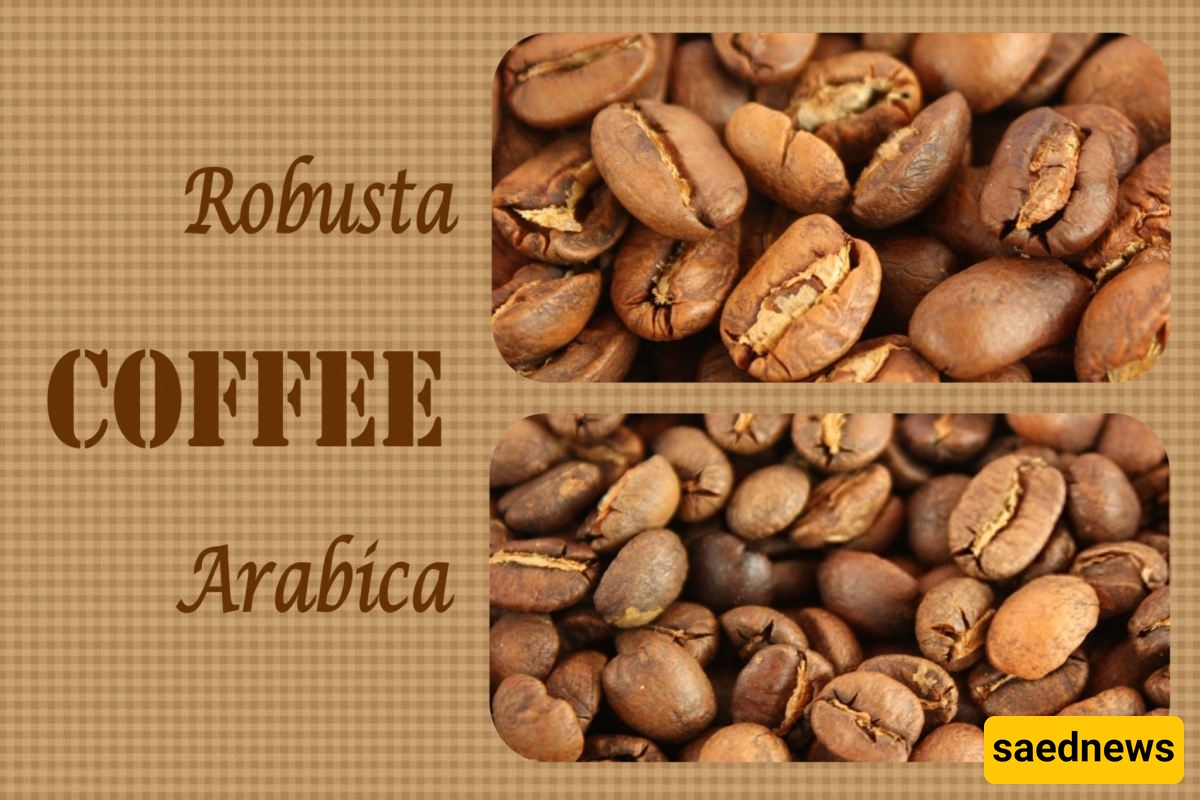
Arabica coffee (Coffea arabica) accounts for approximately 60–70% of global coffee production and is the world's most popular coffee species because of its high cup quality.
These beans generally grow at higher elevations, between approximately 600 and 2,000 meters, and prefer cooler climates and volcanic soils. Key characteristics of Arabica include:
Complex and sweet flavor: Arabica offers a wide range of flavors, including fruity, floral, chocolatey, nutty, and caramel notes. Its acidity is usually bright and pronounced, giving the coffee a refreshing character.
Lower caffeine content: Arabica beans typically contain around 1.2–1.5% caffeine, considerably less than Robusta. This contributes to a milder bitterness and a sweeter perceived flavor.
Light to medium body: Arabica tends to have a delicate, lighter body, making it particularly suitable for filter and brewed coffee.
High sensitivity: Arabica plants are more vulnerable to pests, diseases, and changes in weather. This is one reason they are generally more expensive than Robusta.
Overall, pure Arabica is an excellent choice for people seeking delicate flavors, refined aromas, and an enjoyable drinking experience. However, for certain applications—particularly espresso—it can sometimes benefit from the addition of Robusta.
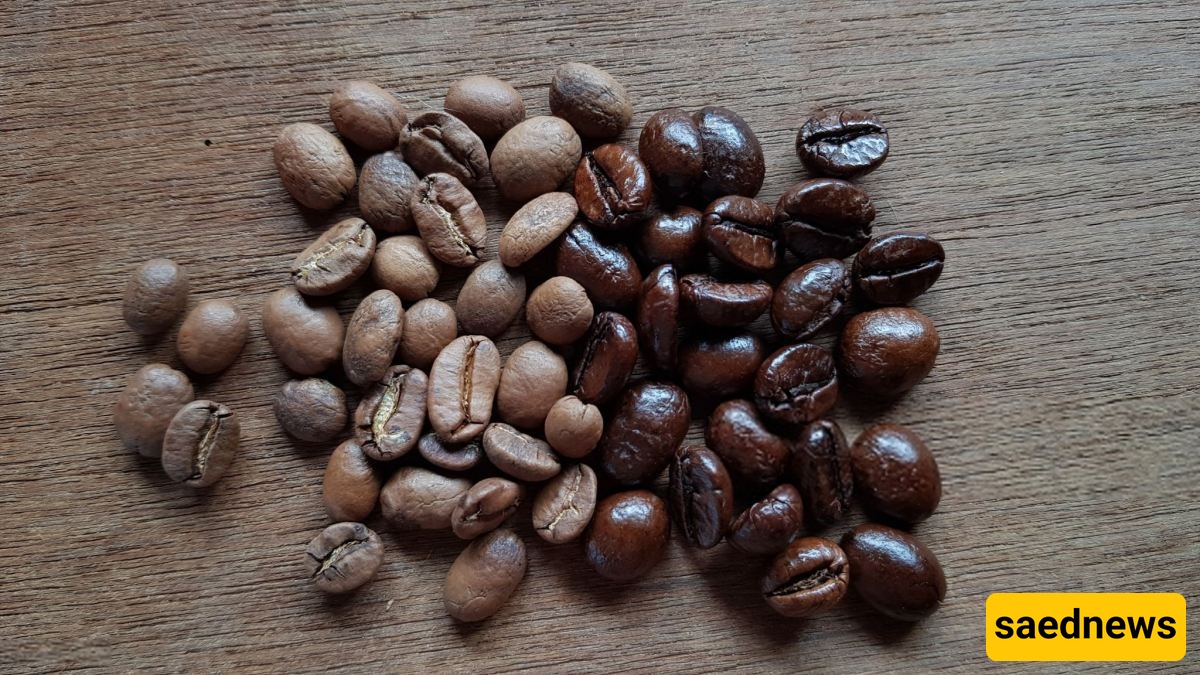
Robusta coffee (Coffea canephora) represents roughly 30–40% of global coffee production and generally grows at lower elevations, from sea level to around 800 meters. The plant is hardy and highly tolerant of diseases and unfavorable weather conditions.
Its main characteristics include:
Pronounced bitterness and a straightforward flavor: Robusta often has bitter, earthy, and slightly nutty flavors. Its acidity is low, producing a smoother but less delicate cup than Arabica.
High caffeine content: Robusta typically contains around 2–2.7% caffeine—roughly twice as much as Arabica. Its high caffeine content acts as a natural defense mechanism for the plant and contributes significantly to its bitterness.
Heavy body: Robusta can produce thick, persistent crema and gives coffee a rich, heavy mouthfeel.
Higher yield and lower cost: Because Robusta plants are highly resistant, they generally produce larger yields and are less expensive on the market.
Traditionally, Robusta has been used in instant coffee and commercial blends, but high-quality Robusta has also gained a following in the specialty coffee world.
Now that we understand the characteristics of each species, why combine them at all? Does blending coffee mean sacrificing quality?
Not necessarily. Combining Arabica and Robusta can be an art form with several distinct advantages:
Better espresso crema: Robusta can produce thicker and longer-lasting crema because of its composition. Adding it to Arabica can give espresso a more professional and visually appealing crema.
More body and structure: Robusta adds weight and structure, helping espresso maintain its character in the cup. This is particularly useful for milk-based drinks such as lattes and cappuccinos.
A balance of caffeine and bitterness: People looking for a stronger caffeine kick can choose blends with a higher Robusta percentage. Its bitterness can also balance Arabica's acidity and prevent the coffee from tasting overly sharp.
Lower cost: Robusta is generally cheaper than Arabica. Adding a portion of Robusta can reduce the overall cost while maintaining a satisfying cup quality, making it particularly useful for cafés and restaurants.
Greater flavor depth: Although Robusta can taste relatively straightforward on its own, when blended with Arabica it can contribute notes reminiscent of dark chocolate, cocoa, and spices, adding depth to the cup.
There is no universally perfect ratio. The ideal blend depends on personal preference and the intended brewing method. However, several ratios are commonly used in the coffee industry.
This is a popular ratio for people who enjoy Arabica's delicate flavor but want a little more bitterness, body, and strength.
Twenty percent Robusta can improve espresso crema without overpowering the character of the Arabica while also adding some caffeine.
This blend can work well for brewed coffee, French press, and home espresso.
This is often associated with classic Italian-style coffee blends. Traditional cafés and restaurants frequently use similar ratios because they provide a good balance between sweetness, bitterness, body, and crema.
Thirty percent Robusta creates medium-to-heavy body, excellent crema, and a stronger overall character. If you want rich, aromatic espresso with noticeable bitterness, this is a strong option.
This blend is suited to people who enjoy pronounced bitterness and higher caffeine levels.
The resulting espresso has a very heavy body and thick, rich crema, while the Arabica's character becomes less prominent and the Robusta's bitterness takes center stage.
It works particularly well in drinks such as mochas and lattes, where the coffee needs enough strength to stand up to milk and sugar.
Using Robusta at this level is generally intended for people seeking a powerful caffeine hit and a distinctly bitter flavor.
Such blends may be used for Turkish coffee or certain traditional coffee styles.
At this ratio, however, much of Arabica's delicacy can disappear, and earthy or overly roasty Robusta flavors may become dominant.
Finding your ideal blend involves more than simply choosing a ratio.
Arabica and Robusta behave differently during roasting because of differences in their physical structure. Robusta is often roasted at higher temperatures and for shorter periods.
One practical approach is to purchase separately roasted Arabica and Robusta beans and blend them yourself according to your preferred ratio.
If you buy a pre-blended coffee, check the packaging for information about the roast level and blend composition.
For espresso, a blend containing around 30–40% Robusta can provide durable crema and a heavier body.
For filter methods such as V60 or Chemex, it is generally better to keep the Robusta percentage lower—around 10–20%—so that Arabica's acidity and delicate flavors remain prominent.
Turkish coffee is often prepared with blends containing a higher proportion of Robusta.
Buy coffee in relatively small quantities and as close to the consumption date as practical.
Robusta may retain its freshness somewhat longer than Arabica because of its structure, but freshly roasted coffee generally provides a better flavor experience.
Arabica beans from different origins can have dramatically different flavor profiles.
Brazilian Arabica often has nutty and chocolate-like characteristics and can pair well with Indian or Vietnamese Robusta.
Ethiopian Arabica, with floral and fruity notes, can be more challenging to combine with Robusta because the flavor profiles may compete rather than complement each other.
Ultimately, the best blend is the one you enjoy drinking.
Experiment with different ratios and origins. Keeping notes on flavor, crema, bitterness, acidity, and body can help you identify your ideal combination.
Here are a few interesting combinations to experiment with:
70% Brazilian Arabica + 30% Indian Robusta
The Brazilian Arabica contributes chocolate-like flavors, while the Indian Robusta adds bitterness, body, and crema.
The result is a balanced espresso with excellent crema that pairs especially well with milk.
80% Ethiopian Yirgacheffe Arabica + 20% Ugandan Robusta
This is a more adventurous combination. The floral and citrus-like Ethiopian notes meet the earthy character of Ugandan Robusta, creating a complex cup with bright aromas and a lingering bitter finish.
50% Colombian Arabica + 50% Vietnamese Robusta
This blend is ideal for people who enjoy very strong, bitter, full-bodied coffee with high caffeine content.
Served over ice with condensed milk, it can create an excellent Vietnamese-style iced coffee, known as cà phê sữa đá.
To get the best results from an Arabica-Robusta blend, pay attention to more than just the ratio and roast.
Ideally, blend Arabica and Robusta after roasting and shortly before grinding.
If you mix them long before use, the coffee will gradually lose freshness. If you purchase a pre-blended coffee, check its roast date and buy smaller quantities whenever possible.
Arabica-Robusta blends, particularly for espresso, require a consistent and appropriately fine grind.
Robusta is harder than Arabica, so careful grinder adjustment is important to avoid an uneven distribution of fine and coarse particles.
For filter brewing, a coarser grind combined with an appropriate water temperature can help bring out the flavors more effectively.
Store coffee beans in an airtight, opaque container away from light, heat, and moisture.
Robusta may retain its quality somewhat longer, but Arabica can lose its aroma relatively quickly.
Avoid storing coffee in the refrigerator, as moisture and odors can negatively affect the beans.
If you want deeper bitterness and more crema, Indian Robusta—often characterized by chocolate and spicy notes—can be an interesting choice.
Vietnamese and Indonesian Robusta often have earthy and slightly woody characteristics and can pair well with South American Arabica.
There is nothing inherently harmful about combining Arabica and Robusta. The main difference is their caffeine content.
Because Robusta contains considerably more caffeine, people who are sensitive to caffeine may experience effects such as a racing heartbeat or difficulty sleeping when consuming high-Robusta blends.
If you are sensitive to caffeine or have concerns about its effects, choosing a blend with a lower Robusta percentage—around 10–20%—or opting for pure Arabica may be preferable.
If you do not have time to experiment with your own combinations, you can examine the labels of commercial espresso blends.
Many Italian espresso brands, such as Lavazza and illy, offer blends that may contain varying proportions of Robusta depending on the product.
Turkish and Arabic-style coffees may also use higher proportions of Robusta, producing a stronger, more bitter, caffeine-rich, and economical cup.
There is no single blend that is perfect for everyone. The best combination is the one that matches your taste, brewing method, and purpose.
As a general guide:
For espresso with a balance of sweetness, bitterness, and crema: Try 70% Arabica + 30% Robusta.
For filter coffee such as V60, Chemex, or French press, especially if you enjoy fruity and floral flavors: Try 85–90% Arabica + 10–15% Robusta.
For high caffeine and a strongly bitter flavor: Try 50% Arabica + 50% Robusta, or a blend with an even higher Robusta percentage.
The two biggest secrets to a great cup are still fresh coffee and grinding just before brewing.

Experiment with different ratios, origins, and brewing methods, keep track of what you taste, and enjoy discovering the blend that suits you best. Brew your coffee with care—and enjoy your cup.