SAEDNEWS: In this article, we’ll explore how to prepare chamomile tea using both traditional and alternative methods, along with the required ingredients, flavoring combinations, health benefits, and essential storage tips, step by step.
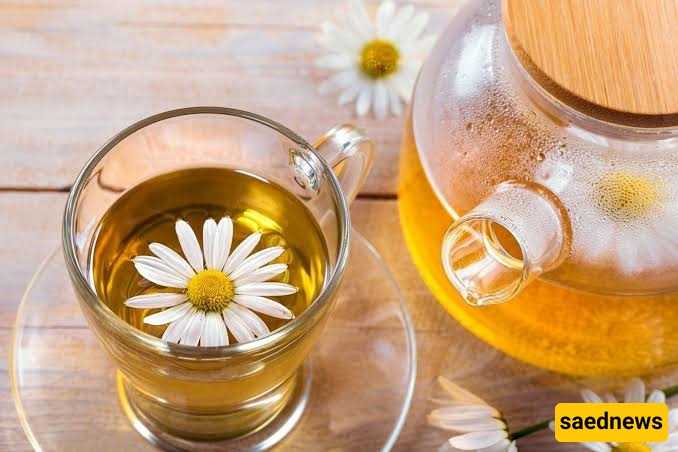
According to Saednews, Chamomile tea is one of the most popular and widely used herbal teas around the world. For centuries, different cultures have valued it as a soothing, relaxing, and sleep-supporting beverage.
The small white chamomile flowers have a gentle, slightly sweet aroma. They not only give the drink a pleasant flavor but also contain beneficial compounds that may support better sleep, reduce stress, and contribute to normal immune function.
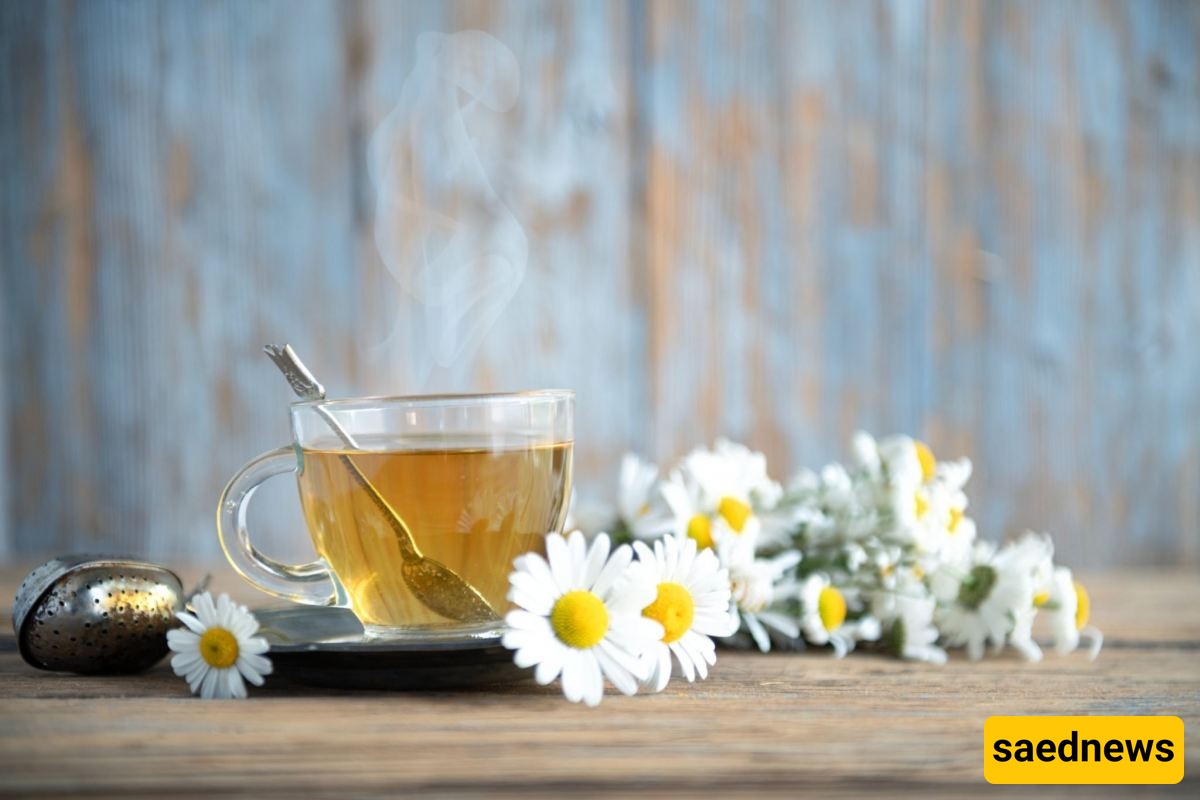
If you want to learn how to prepare chamomile tea properly at home, this guide explains the process step by step—from choosing quality dried chamomile flowers to different brewing methods, flavor combinations, and proper storage.
Chamomile is an annual herb belonging to the daisy family and grows in many parts of Iran and around the world. Two of the most commonly used species are German chamomile (Matricaria chamomilla) and Roman chamomile (Chamaemelum nobile).
Chamomile flowers contain active compounds such as flavonoids, apigenin, bisabolol, and chamazulene. These compounds are associated with chamomile's traditionally recognized calming, anti-inflammatory, and antimicrobial properties.
As an herbal beverage, chamomile tea has an important place in traditional Iranian medicine as well as in many other cultures. It has traditionally been used to support sleep, soothe stomach discomfort, reduce bloating, aid digestion, and promote relaxation.
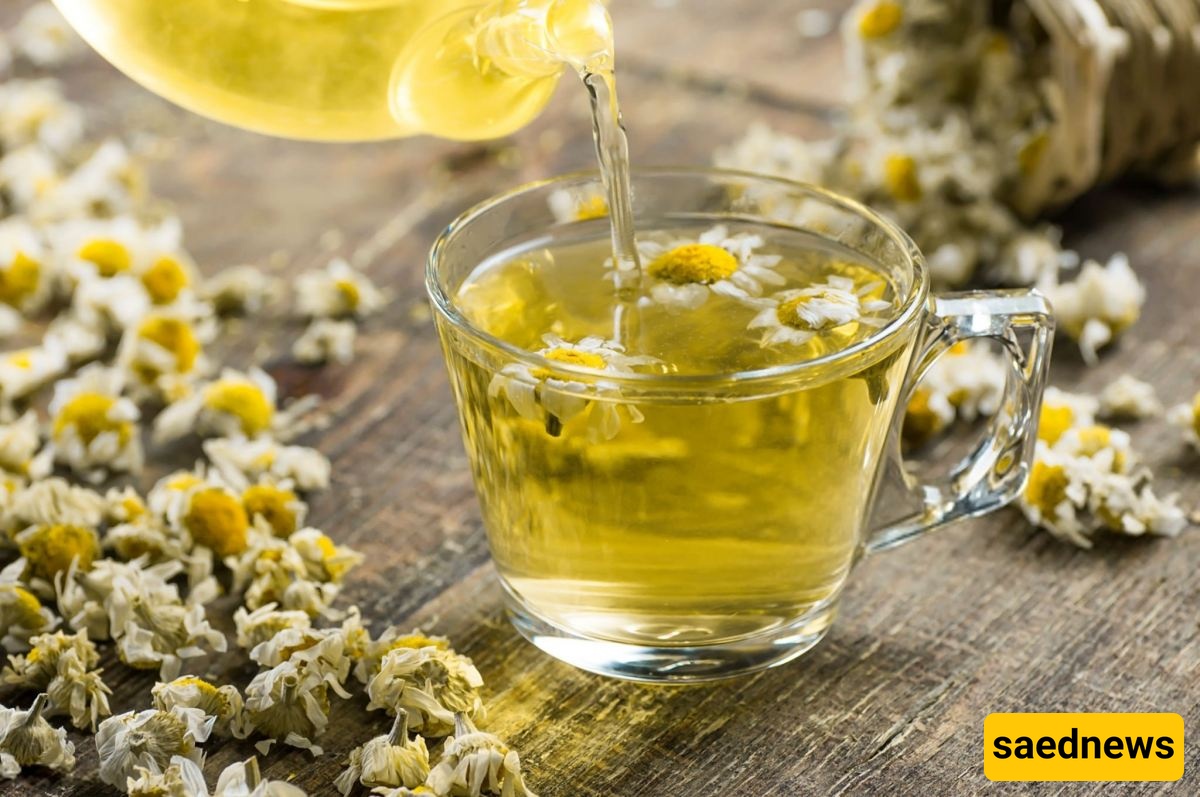
To prepare one cup of chamomile tea, you will need:
Dried chamomile flowers: 1–2 teaspoons (about 2–3 grams)
Boiling water: 1 cup (about 220–250 ml)
Honey, sugar, or rock candy: to taste, optional
Fresh lemon or lemon juice: a few drops, optional
Teapot or glass teapot: for brewing
Fine strainer: for removing the flowers
Fresh chamomile flowers can also be used. However, because fresh flowers contain more moisture, they may produce a somewhat different flavor. Dried chamomile generally provides a stronger aroma and is easier to store.
Measure the chamomile.
Use the recommended amount of dried flowers. If you are using whole flowers, gently crush them between your fingers to help release their aromatic oils.
Heat the water.
Bring the water to a boil. A temperature of approximately 90–100°C (194–212°F) is suitable for brewing chamomile.
Add the flowers to the teapot.
Porcelain, glass, or ceramic teapots are good choices because they help preserve the aroma and flavor.
Pour in the hot water.
Slowly pour the boiling water over the flowers. Cover the teapot immediately to help retain the volatile aromatic compounds.
Steep for 5–10 minutes.
Around 7 minutes is a good middle ground for a balanced flavor. Steeping for too long may make the tea taste bitter, while insufficient steeping may result in a weaker aroma and flavor.
Strain and serve.
Pour the tea through a fine strainer into a cup. Add honey, rock candy, or a few drops of lemon if desired.
Place the chamomile flowers and water in a small saucepan and heat gently for 3–5 minutes. Remove from the heat and let it rest for a few additional minutes before straining.
This method can produce a stronger and more concentrated infusion.
For a quicker option, place one chamomile tea bag in a cup, pour boiling water over it, and steep for 3–5 minutes. This is the simplest method when you have limited preparation time.
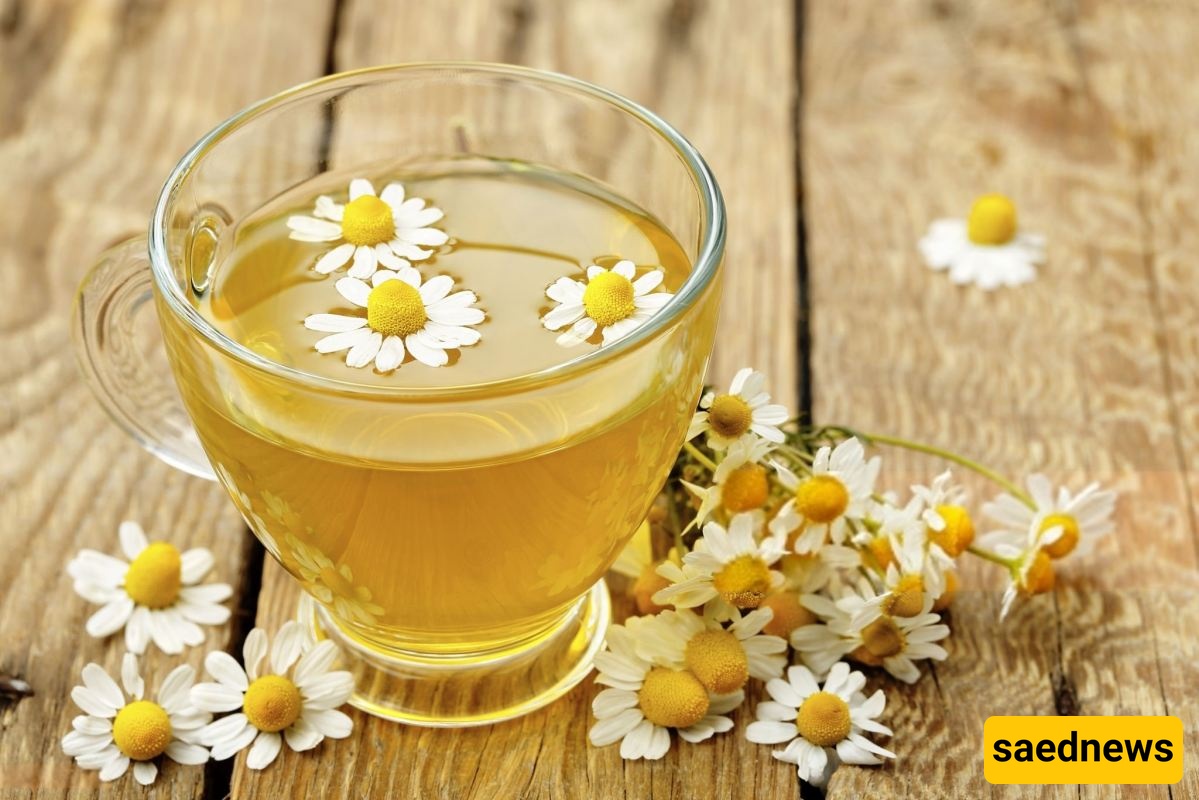
For a refreshing cold version, place chamomile flowers in a glass container, add cold or cool water, and refrigerate for 6–12 hours.
Cold brewing produces a mild, smooth-tasting drink that is particularly suitable for warm weather.
Chamomile tea tastes pleasant on its own, but several ingredients can add different flavors and aromas:
Honey: Adds gentle sweetness and complements chamomile's floral character.
Lemon: Provides a fresh, citrusy flavor.
Cinnamon: Adds a warm, aromatic note.
Ginger: Gives the tea a spicy, warming character.
Lavender: Creates a particularly soothing floral combination.
Mint: Adds freshness and pairs well with chamomile after meals.
Saffron and cardamom: Create a distinctly Persian-inspired flavor.
Chamomile combined with lavender or lemon balm is also a popular herbal combination traditionally used to promote relaxation and support better sleep.
Chamomile tea is associated with several potential health benefits, including:
Relaxation and stress support: Chamomile contains compounds that may have calming effects on the nervous system.
Sleep support: Drinking chamomile tea before bedtime may help create a relaxing nighttime routine and support sleep quality.
Digestive comfort: Traditionally used to ease bloating, stomach discomfort, and indigestion.
Anti-inflammatory properties: Certain compounds in chamomile have anti-inflammatory activity.
Antioxidant support: Chamomile contains antioxidants that contribute to the body's natural defenses.
Skin and hair care: Chamomile is also used in some topical and personal-care applications.
Although chamomile tea is generally well tolerated, it may not be suitable for everyone.
People allergic to plants in the daisy family, including chrysanthemums and ragweed, should use caution.
Excessive consumption may cause nausea, dizziness, or allergic reactions in some people.
Pregnant or breastfeeding women should consult a healthcare professional before consuming it regularly.
People taking blood-thinning medications should discuss regular chamomile consumption with their healthcare provider.
A common time to drink chamomile tea is 30–60 minutes before bedtime, as part of a relaxing nighttime routine.
It can also be enjoyed after meals for digestive comfort or during stressful periods of the day when you want a calming, caffeine-free beverage.
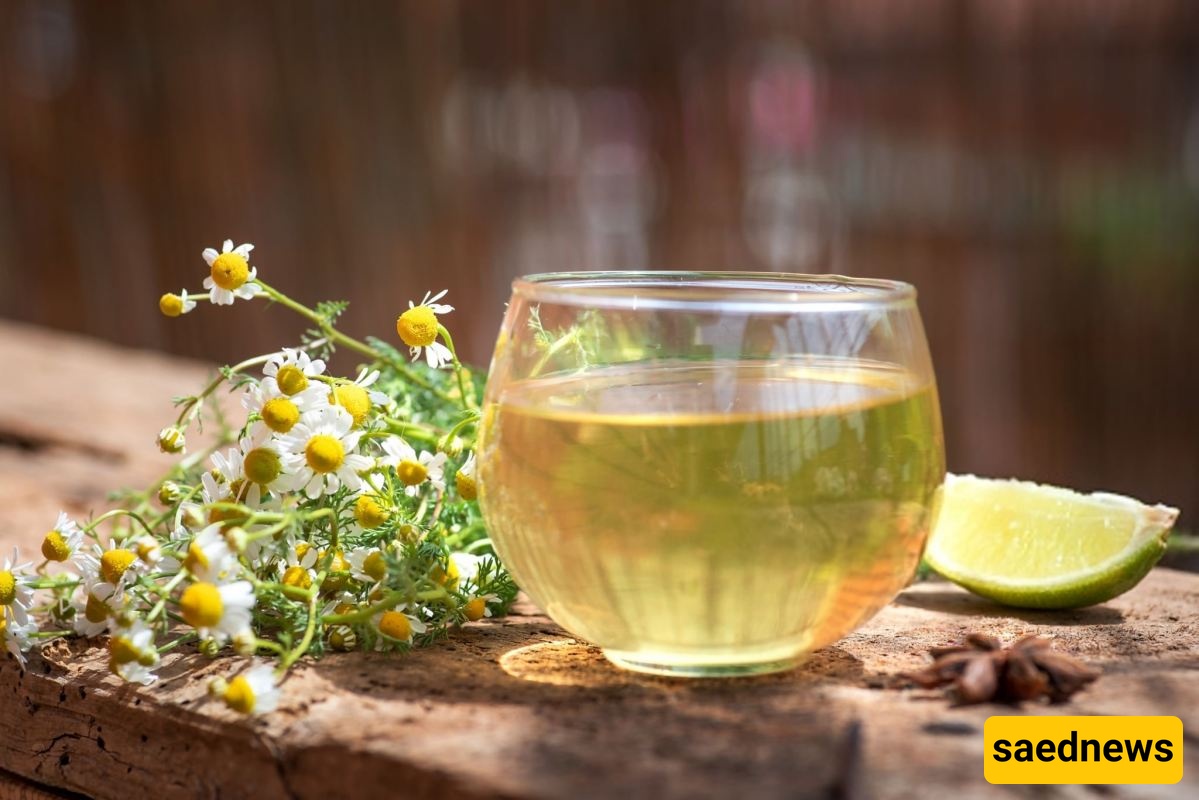
To preserve their aroma and quality:
Store dried chamomile in an airtight glass container.
Keep it away from direct sunlight, heat, and moisture.
Dried chamomile is generally best used within approximately 6 months to 1 year.
Avoid keeping dried chamomile in a humid environment such as the refrigerator for extended periods.
If you prepare chamomile tea in advance, refrigerate it and consume it within 24 hours.
For most people, one to two cups per day is generally considered a moderate amount. However, excessive consumption is not recommended, and people with allergies or certain medical conditions should seek professional advice.
Approximately 1 teaspoon of dried chamomile flowers per cup is usually sufficient. You can adjust the amount according to your preferred strength.
Fresh and dried chamomile can both be used. Dried flowers generally have a stronger aroma and are easier to store, while fresh flowers contain more moisture and may produce a lighter, somewhat different flavor.
Chamomile tea is a simple, fragrant, and versatile herbal beverage that can easily be prepared at home. With the right brewing technique, you can enjoy its delicate floral aroma and soothing character.
The basic process is straightforward: choose good-quality dried chamomile flowers, heat the water, steep the flowers for 5–10 minutes, strain the tea, and add your preferred ingredients.
Whether you are looking for a relaxing evening drink, a caffeine-free beverage, or a traditional herbal infusion to accompany your daily routine, chamomile tea is a versatile option. By storing the flowers properly and keeping the recommended precautions in mind, you can enjoy this classic herbal tea as part of a balanced daily routine.