SAEDNEWS: Salt is essential in bread baking, improving flavor, texture, and quality. This article covers its role, benefits, potential drawbacks, and the best time to add it.
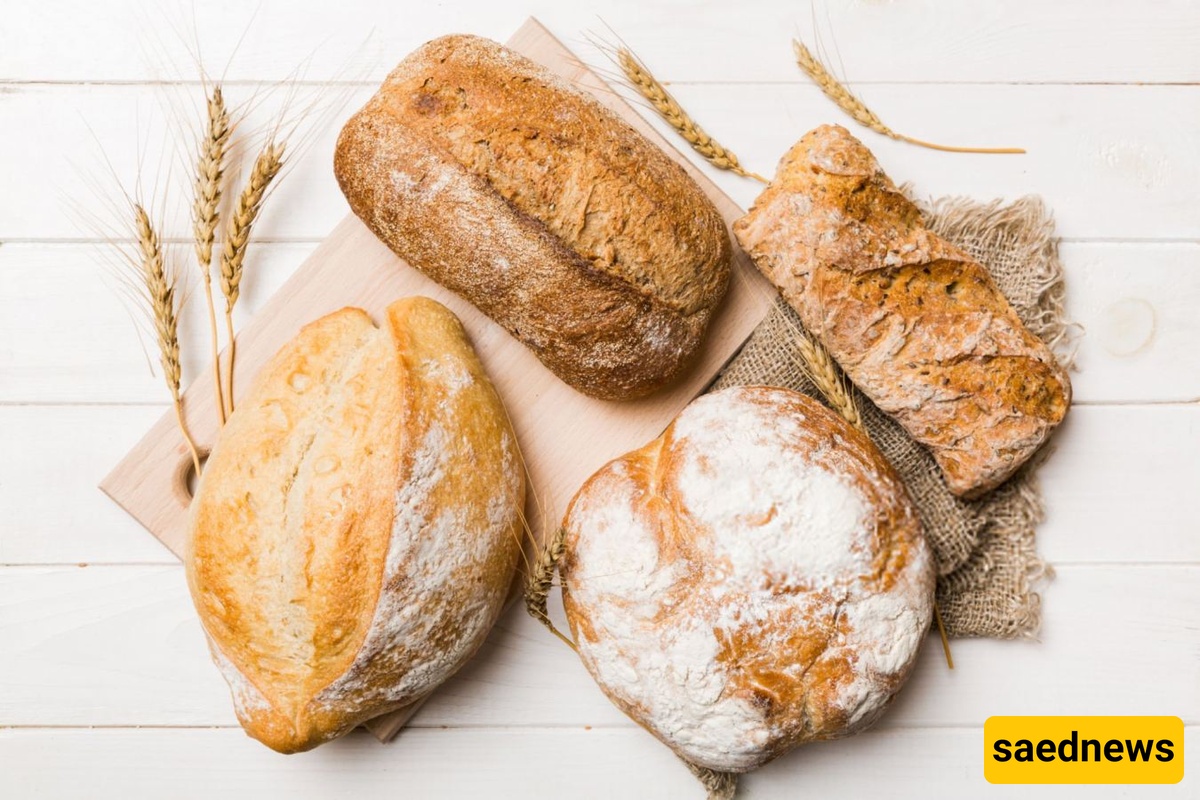
According to Saednews, Salt plays an important role in bread making and should be used in the appropriate amount. Using the right quantity of salt helps improve the flavor of bread; however, excessive salt consumption through foods such as bread, which is eaten daily, may contribute to health problems such as high blood pressure. The following sections examine the role of salt in bread making in greater detail.
Adding salt to bread dough helps prevent excessive fermentation and souring. Salt is incorporated during dough preparation to help produce bread that is uniform, soft, and has a fine texture after baking. Ingredients such as salt need to be measured accurately and used in the proper amounts.
For bakeries producing bread on a large scale with commercial baking equipment, understanding the function of salt, the appropriate quantity, and the best time to add it to the dough becomes particularly important.
Not every type of salt is suitable for bread production. A specific type known as bakery salt is commonly used. Salt intended for bread making should have the following characteristics:
Hygienic and compliant with approved food-industry standards
Fine-grained so that it dissolves quickly in the dough
Free from any unwanted odor or foreign taste
Less than 5% moisture in non-iodized salt
Using salt in bread making can have a positive effect on both the flavor and appearance of the finished bread. Its main benefits include:
Improving the flavor and color of baked bread
Increasing the strength and elasticity of gluten in the dough
Producing a softer and more uniform bread texture
Helping control and inhibit the growth of yeast microorganisms
Providing essential minerals needed by the body
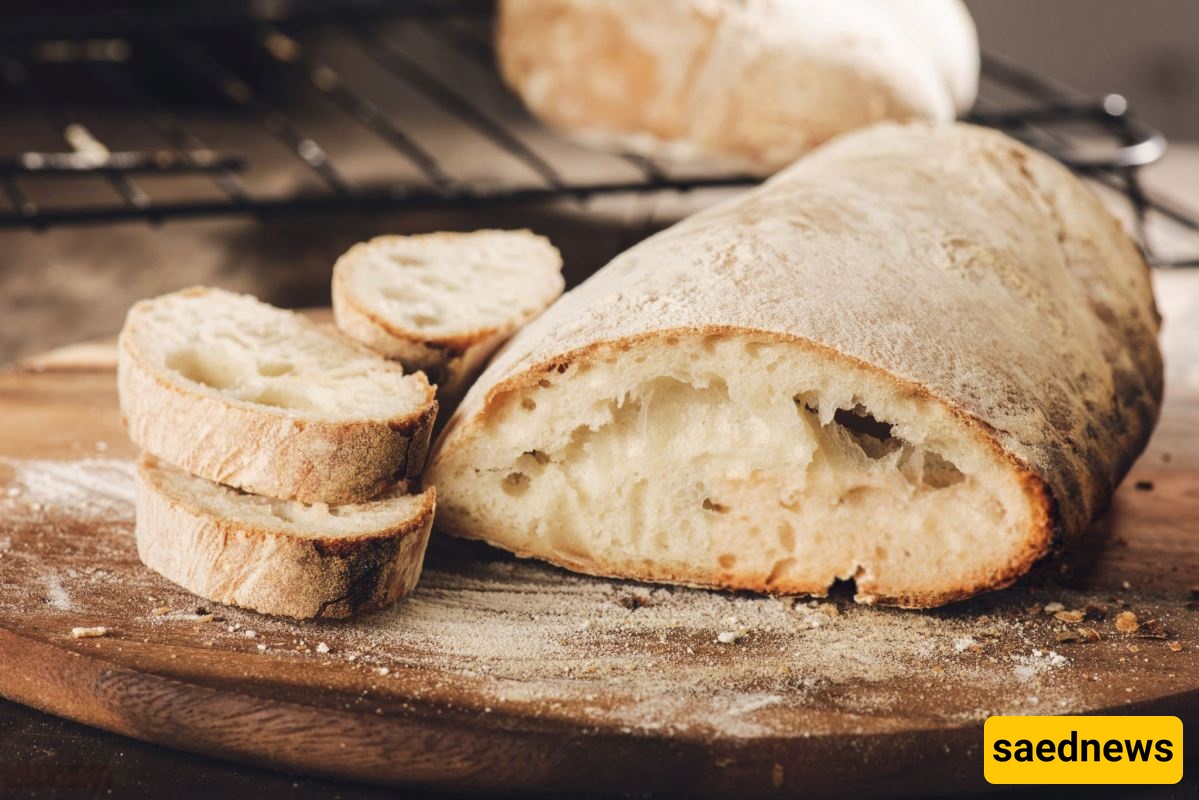
The amount of salt used in bread making should be carefully measured and follow appropriate standards.
According to the text, salt may be used at approximately 1.8% of the weight of the flour. Some bakeries may use excessive amounts of salt because of poor-quality flour or inadequate baking equipment. This can potentially create health concerns for consumers.
The problems associated with excessive salt consumption may include:
Increased blood pressure
Stomach discomfort
Osteoporosis
Asthma
Heart attack and sudden death
Reduced kidney function
One way to maintain bread quality without relying excessively on salt and other additives is to use properly designed, modern bakery equipment, such as commercial ovens and rotary baking ovens. Some bakeries with outdated or low-quality equipment may compensate by adding excessive salt and other ingredients to improve the final product. Ideally, high-quality bread should be achieved through modern and properly engineered baking equipment.
Avoiding salt altogether is also not appropriate. Salt has an important function in bread making, and the best approach is to use it correctly and in the proper quantity.
Insufficient use of salt can negatively affect bread quality, resulting in:
Loose dough and increased flour waste
Reduced volume and elasticity of the baked bread
Pale and bland bread
A crumbly and fragile surface that breaks apart easily
The timing of salt addition is important because it affects not only the flavor but also the shape and texture of the finished bread.
The recommended time to add salt is when the water is added to the dough-mixing bowl. Adding salt directly to the water allows it to dissolve evenly before being incorporated into the dough.