SAEDNEWS: Canned tuna is a versatile and convenient food that can be used to prepare a variety of delicious dishes, from salads and sandwiches to pasta and pizza. In this article, you’ll discover creative meal ideas, its potential health benefits and drawbacks, and the best ways to store it safely.
According to Saednews, This list is only a sample, and you can use your creativity and experiment with different ingredients to prepare new and delicious meals using canned tuna.
Canned tuna can be used to prepare a wide variety of tasty and convenient dishes, including:
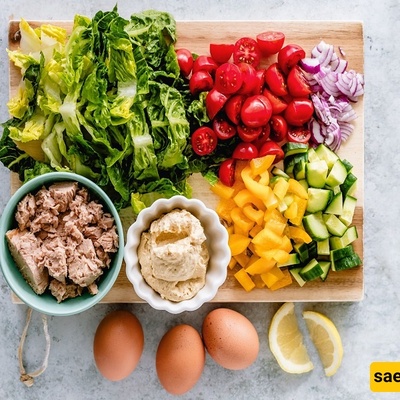
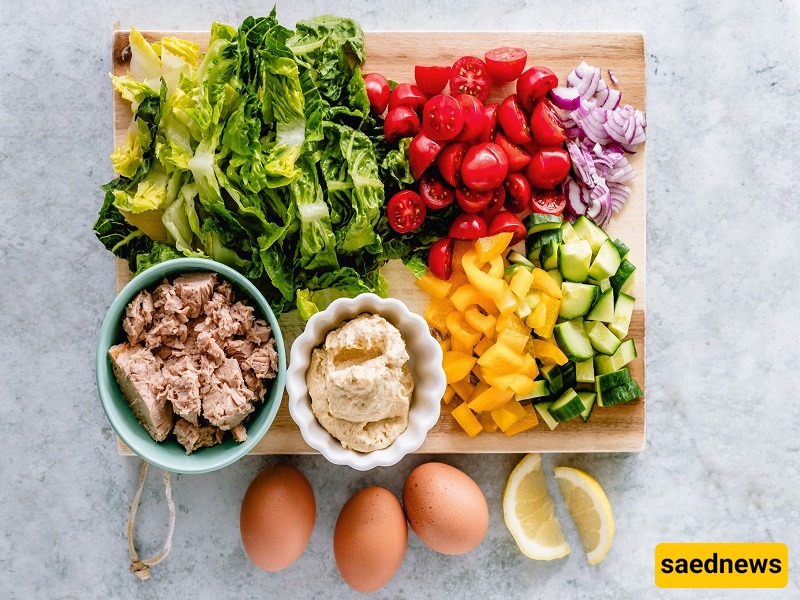
Tuna Salad: Tuna salad can be made by combining tuna with ingredients such as eggs, potatoes, cucumbers, corn, peas, and different types of dressing.
Tuna Sandwich: Canned tuna makes an excellent base for quick and delicious sandwiches. You can enhance your sandwich with mayonnaise, pickles, tomato paste, and fresh vegetables.
Pasta with Tuna Sauce: Canned tuna can be used to prepare a variety of pasta sauces, including tuna-based sauces combined with vegetables and tomato paste.
Tuna Soup: Adding tuna to different types of soup can give the dish a distinctive and flavorful taste.
Tuna Pizza: Tuna can be used as a pizza topping to create a delicious, protein-rich pizza.
Tuna-Based Dishes: Canned tuna can serve as a base for various seafood-inspired dishes, such as tuna cakes, tuna burgers, and tuna pasta.
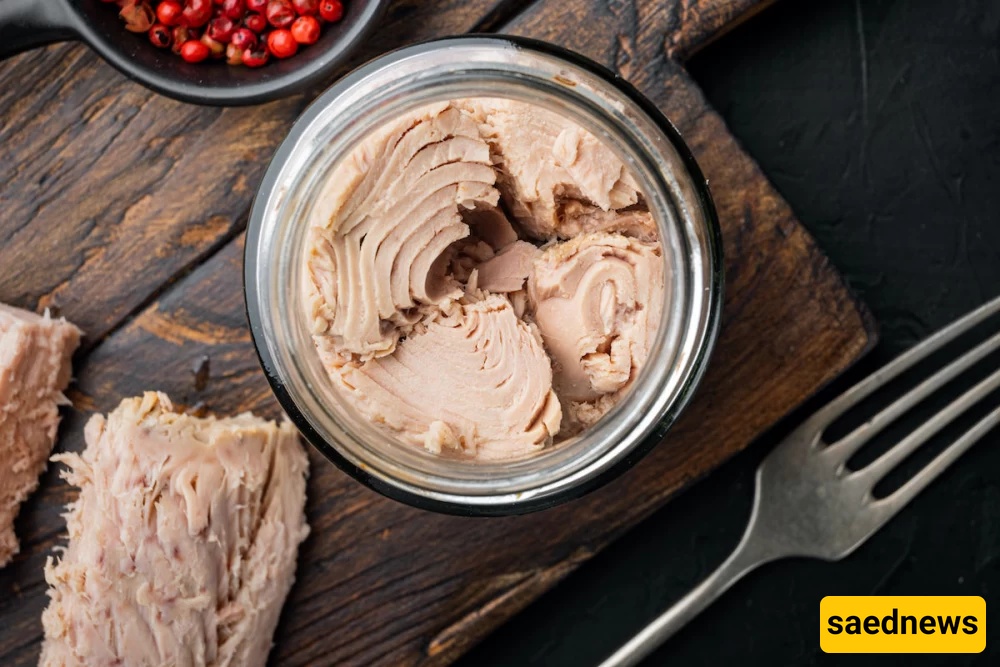
Eating canned tuna can have both health benefits and potential drawbacks. Here are some important points to consider.
Source of Protein: Tuna is an excellent source of protein and amino acids, which are essential for building body tissues, supporting brain function, and maintaining a healthy immune system.
Quick and Convenient: Canned tuna contains cooked, ready-to-use fish, making it a convenient option for preparing quick meals and reducing cooking time.
Source of Omega-3 Fatty Acids: Fish contains omega-3 fatty acids, which can support cardiovascular health, help reduce inflammation, and contribute to healthy brain function.
Long Shelf Life: Canned tuna has a long expiration period and can be a useful food supply to keep on hand for emergencies.
May Contain Mercury: Some canned tuna products may contain mercury. Excessive mercury consumption can be harmful to health, so it is advisable to choose tuna products carefully and consume them in moderation.
High in Sodium: Many canned tuna products contain significant amounts of salt. Excessive sodium intake may contribute to increased blood pressure, so people with high blood pressure should pay particular attention to their sodium intake.
Added Ingredients: Some canned tuna products contain additional ingredients such as extra oil, salt, or preservatives, which may not be desirable for everyone.

To keep canned tuna in good condition, follow these storage guidelines:
Store in a Cool, Dry Place: Keep unopened cans in a cool, dry environment with a stable temperature.
Keep Away from Direct Sunlight: Direct sunlight can contribute to oxidation and may affect the taste and quality of the canned contents.
Avoid High Temperatures: Do not store canned tuna near sources of high heat, such as stoves or radiators, as excessive heat can affect the product's quality and the integrity of the can.
Check the Can's Condition: Make sure the can is properly sealed and free from leaks, swelling, severe dents, or other signs of damage.
Check the Expiration Date: Always check the expiration date and avoid consuming canned tuna that is past its recommended date.
Refrigerate After Opening: Once opened, transfer any unused tuna to a suitable container, refrigerate it, and consume it within a short period.