SAEDNEWS: Walnut Sojok is a traditional sweet made with walnuts, grape molasses, flour, and starch. In this article, you will learn how to prepare this nutritious treat along with essential tips for achieving the best results.
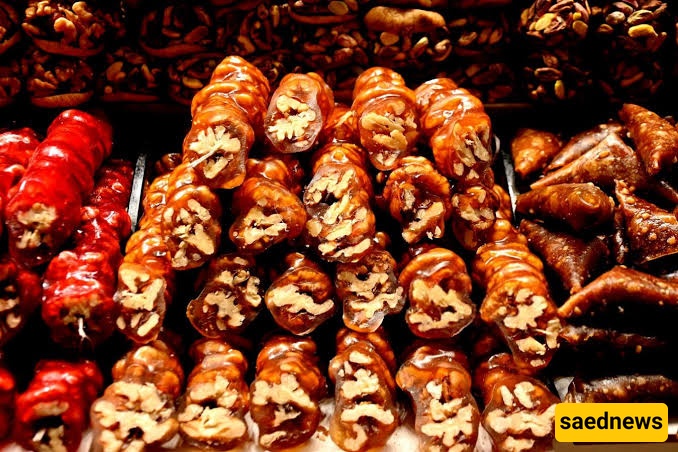
According to Saednews, Walnut Sojuk is a traditional and delicious sweet prepared in many parts of Iran and neighboring countries, particularly during the autumn and winter months. Made with walnuts, grape molasses, flour, and starch, this sweet develops a soft texture and naturally sweet, aromatic flavor after drying.
Beyond its appealing taste, Walnut Sojuk also provides nutritional value because of its walnuts and grape molasses.
This guide explains how to prepare Walnut Sojuk at home, including the ingredients, preparation method, useful tips, storage instructions, flavor variations, serving ideas, common problems, and frequently asked questions.
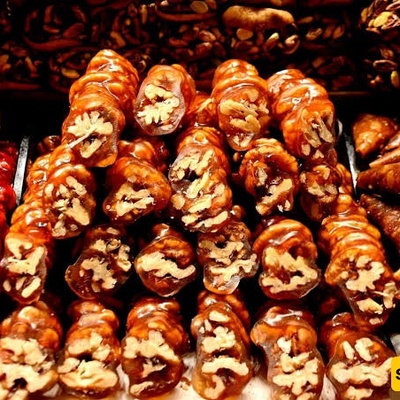
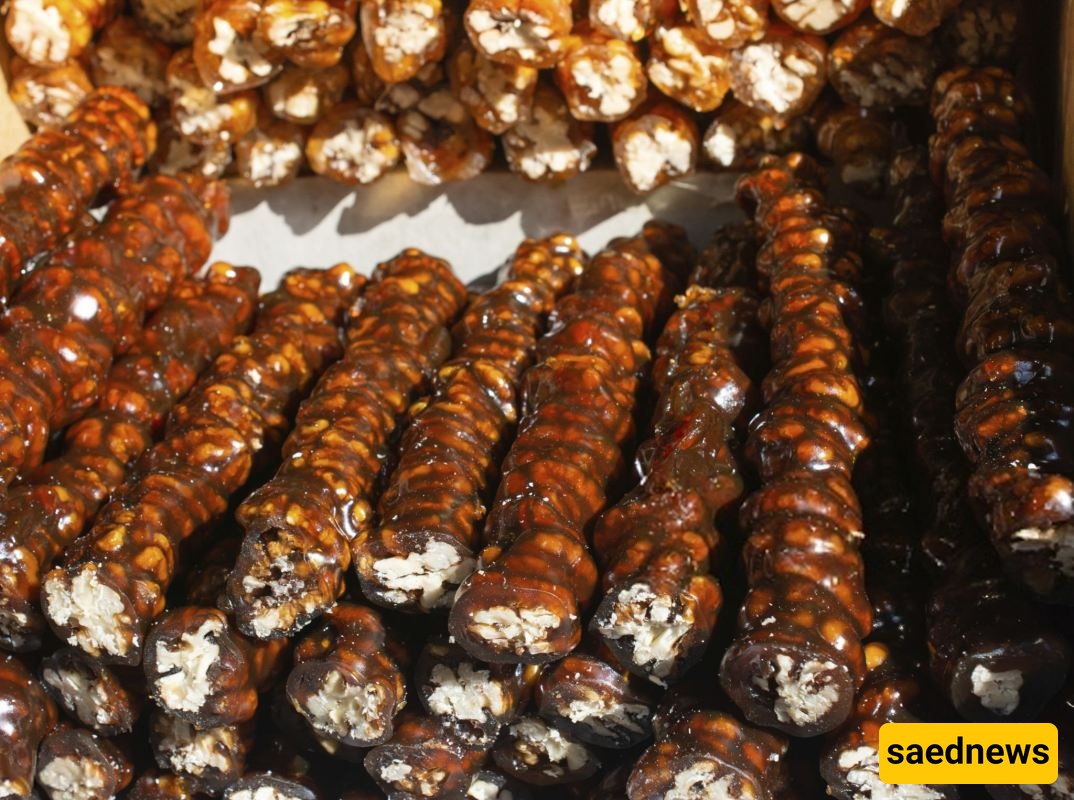
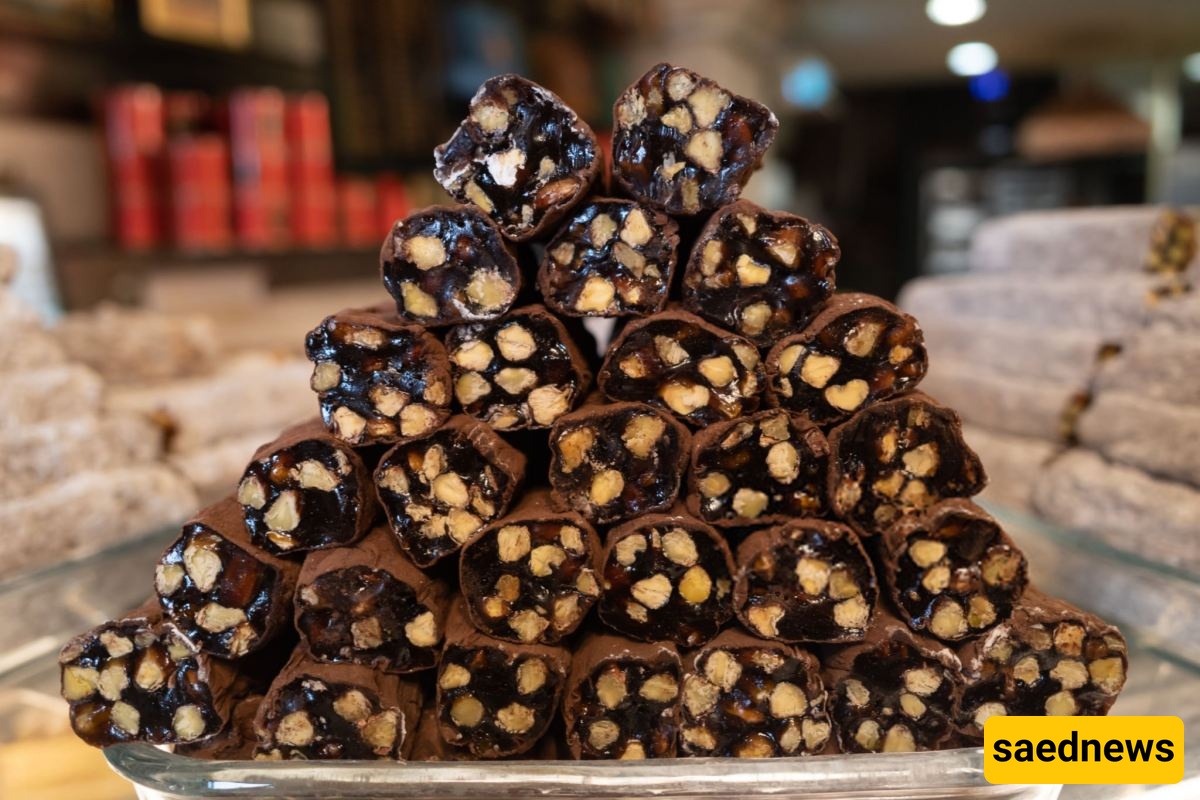
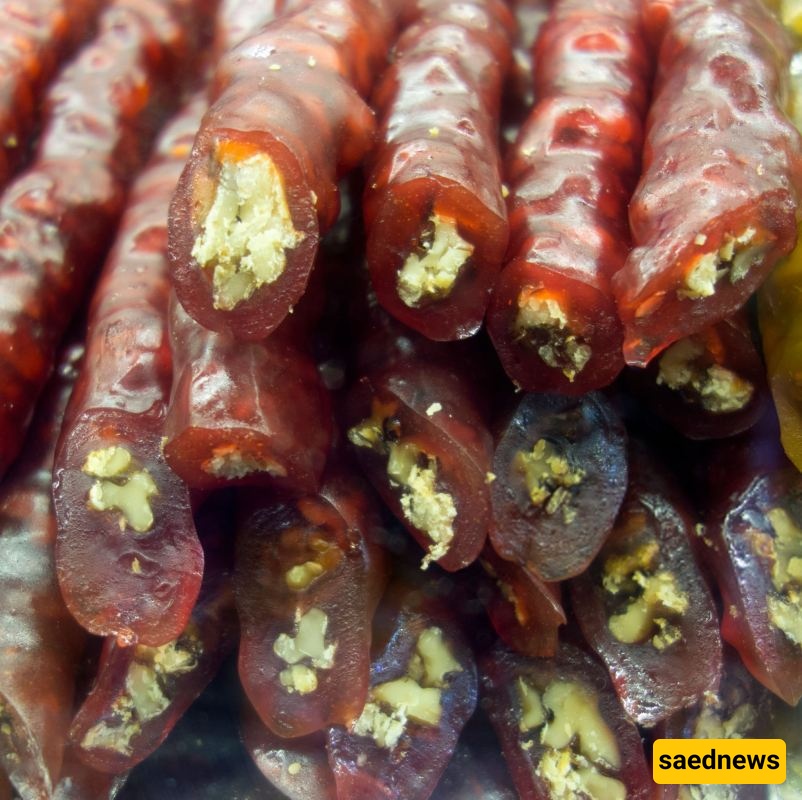
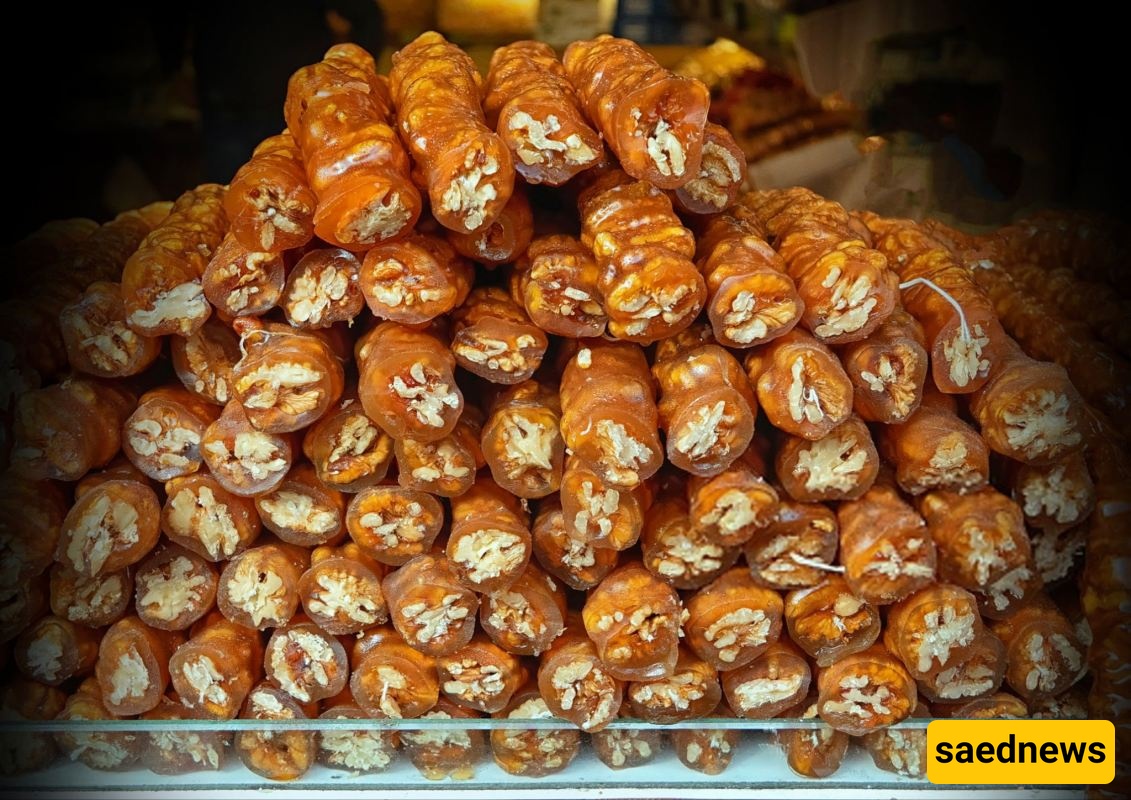
Walnut Sojuk is a traditional sweet made by threading whole walnut kernels onto a string and dipping them into a thick mixture made from grape molasses, flour, and starch. Once cooked, the mixture coats the walnuts and forms a soft, flexible layer as it dries.
Depending on the region and culture, similar sweets may be known by names such as Churchkhela, Sojuk, or Walnut Sweet.
It is commonly prepared as hanging strands or decorative loops and can be enjoyed as a dessert, snack, or accompaniment to tea and warm milk. Its characteristic flavor comes from the combination of naturally sweet grape molasses and fragrant walnuts.
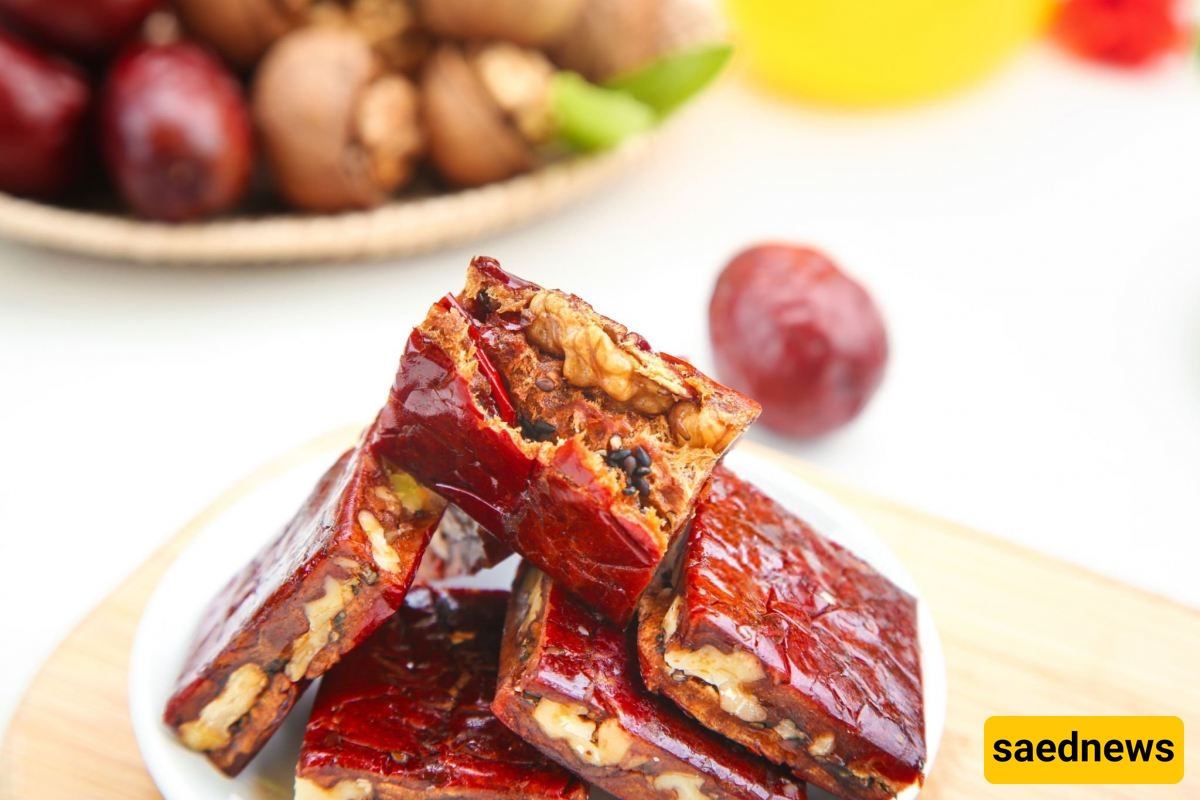
The following quantities make approximately 1 kilogram of Walnut Sojuk:
500 g walnut kernels
1 liter grape molasses
250 g wheat flour
2 tablespoons cornstarch or wheat starch
1 cup sugar, optional
2 tablespoons rose water
1 teaspoon cardamom or cinnamon
1 tablespoon vegetable oil
Strong cotton thread and a large needle for threading the walnuts
You can also combine the walnuts with pistachios, almonds, or hazelnuts. For additional flavor, cocoa powder, shredded coconut, or toasted sesame seeds can be added to the mixture or used as an outer coating.
You will need:
A heavy-bottomed saucepan
A wooden spoon or hand whisk
A sieve for the flour and starch
A large needle and strong cotton thread
A suitable rod, hanger, or rack for hanging the Sojuk
A clean cotton cloth for covering it
Carefully inspect the walnut kernels. They should be fresh, intact, and free from bitterness. Remove broken or damaged pieces and select large, whole kernels.
Thread the walnuts onto a strong cotton string using a large needle. Leave approximately 0.5–1 cm between each walnut so that the coating can surround them properly. Tie the end of the string securely.
Pour the grape molasses into a saucepan and place it over low heat.
Sift the flour and starch beforehand to prevent lumps. Gradually add them to the grape molasses in several additions while continuously stirring gently with a wooden spoon. If using sugar, add it at this stage as well.
Continue cooking over low heat for approximately 15–20 minutes, stirring constantly, until the mixture becomes thick.
The mixture should be thick enough to leave a relatively substantial coating on the spoon when the spoon is removed.
Toward the end of cooking, add the rose water, cardamom or cinnamon, and vegetable oil. Continue stirring for a few more minutes, then remove the saucepan from the heat.
Dip each walnut strand into the prepared mixture one at a time. Make sure the coating covers the walnuts completely.
For a thicker coating, repeat the dipping process two or three times. Allow the previous layer to partially dry before applying another one.
The coating should not be excessively hot, as very high temperatures can soften the walnuts or make the coating too runny.
Hang the coated walnut strands from a suitable rod, hanger, or rack.
Place them in a cool, dry area away from direct sunlight. Complete drying generally takes 24–48 hours, depending on the thickness of the coating and the humidity of the environment.
Cover the Sojuk loosely with a clean cotton cloth to protect it from dust while allowing air to circulate.
Once completely dry, the Walnut Sojuk is ready to eat.
Maintain a balanced ratio of grape molasses to flour; approximately 4:1 is a useful guideline.
Stir the mixture continuously to prevent it from sticking to the bottom or burning.
Keep the heat low so the coating thickens evenly.
Use fresh, dry walnuts without excessive moisture.
Dry the Sojuk in a cool, dry environment to help prevent cracking and crystallization.
If the coating is too thin, add a small amount of sifted flour or starch.
If it becomes too thick, add a few tablespoons of warm grape molasses and stir well.
Walnut Sojuk can be adapted with different flavors and ingredients.
Adding cocoa powder to the coating creates a pleasant chocolate flavor. Shredded coconut, toasted sesame seeds, or a little pistachio powder can also add variety.
For a more traditional aromatic profile, add a small amount of brewed saffron together with the rose water.
For a fruity variation, the finished Sojuk can be rolled in dried mulberry powder or dried pomegranate powder before the final drying stage.
In some regions, almonds, hazelnuts, or pistachios are used instead of walnuts. Drying time may vary depending on the moisture content of the nuts.
For a less sweet version, omit the added sugar and rely solely on the grape molasses. Keep in mind, however, that grape molasses itself contains a significant amount of natural sugar.
Once completely dry, Walnut Sojuk should be stored in an airtight container or a clean cloth bag.
The ideal storage location is cool, dry, and protected from direct sunlight. Properly dried Sojuk can remain in good condition for several weeks or even a few months.
For longer storage, it can be refrigerated. Place it in an airtight container and use a layer of paper towel to help absorb excess moisture.
Humidity can cause the Sojuk to crystallize or become soft and sticky. If this happens, place it in a cool, dry environment for several hours to allow excess moisture to evaporate.
Avoid storing it near strongly scented foods such as onions and garlic, as both walnuts and the grape-molasses coating can absorb surrounding odors.
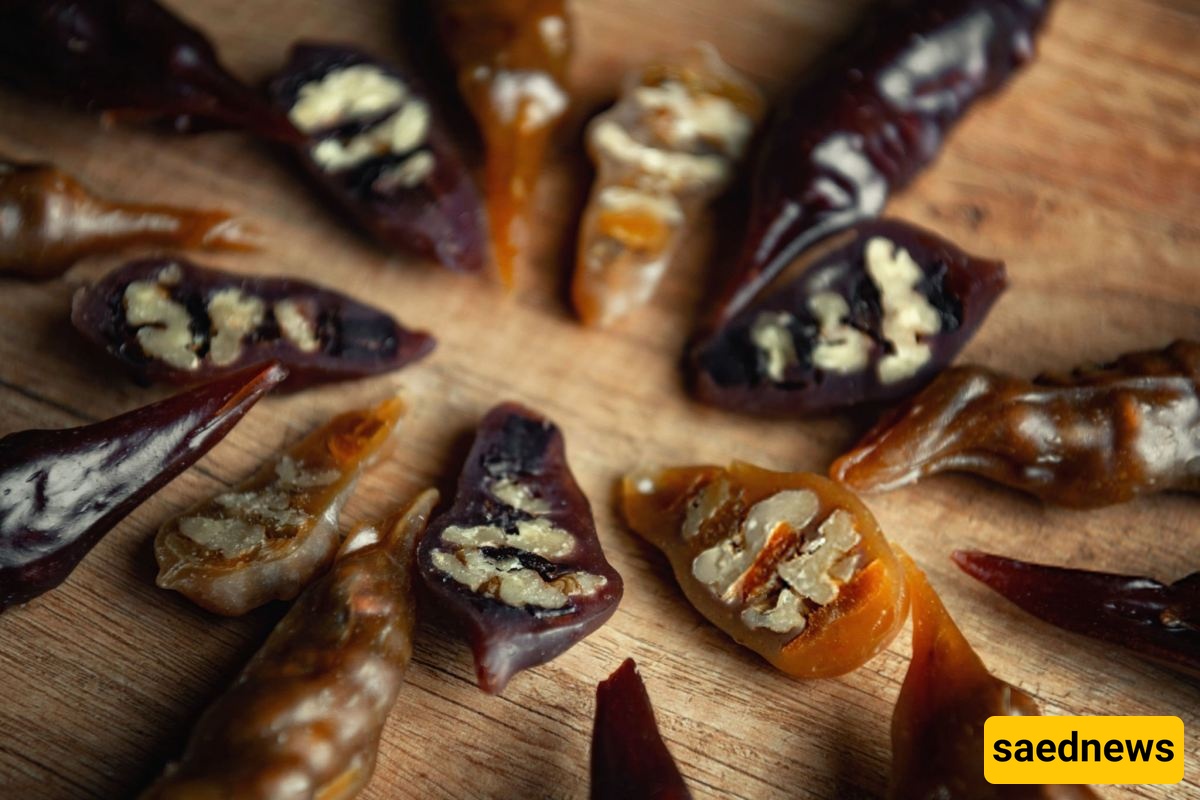
Walnut Sojuk is an energy-rich snack because it contains walnuts and grape molasses.
Walnuts provide healthy fats, omega-3 fatty acids, protein, and various minerals. Grape molasses contains natural sugars, iron, and certain vitamins.
However, Walnut Sojuk can also be high in sugar and calories. It is therefore best enjoyed in moderation, particularly by people following a low-sugar diet or managing diabetes.
As part of a varied and balanced diet, it can be enjoyed as a snack during the colder months, a school snack, or an accompaniment to afternoon tea.
Walnut Sojuk can be served in several ways:
As whole hanging strands on a dessert platter
Cut into small pieces and served with tea or coffee
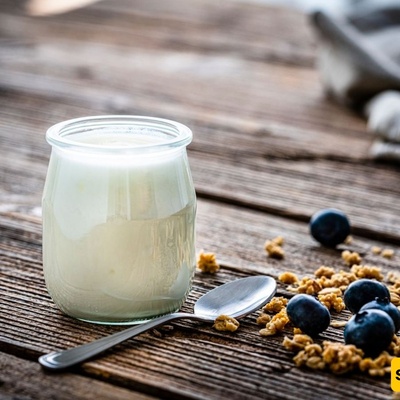
With strained yogurt or cream as part of a dessert
Chopped over ice cream, halva, or pudding
Alongside warm milk or herbal tea
For gatherings, arrange the Sojuk on a decorative serving plate and garnish it with shredded coconut or sliced pistachios.
Cook it for several additional minutes over low heat, or add a small amount of sifted flour and starch.
Add a few tablespoons of warm grape molasses or a small amount of warm water and stir until smooth.
Sift the flour and starch beforehand and add them gradually while stirring continuously.
Reduce exposure to moisture and store it in a sealed container in a dry environment.
Use fresh, high-quality walnuts. Old or improperly stored walnuts can develop a bitter flavor.
Rapid drying at high temperatures can cause cracking. Allow it to dry gradually in a cool area with gentle ventilation.
Yes. Grape molasses is naturally sweet and can provide sufficient sweetness on its own. However, if the molasses is too thin, the coating may not reach the desired consistency.
It generally takes 24–48 hours, depending on the thickness of the coating and the humidity of the environment.
Yes, although the flavor and color will change. Date syrup is sweeter and may produce a darker coating.
It can be served to children in moderation, but its relatively high sugar content and the possibility of nut allergies should be taken into account.
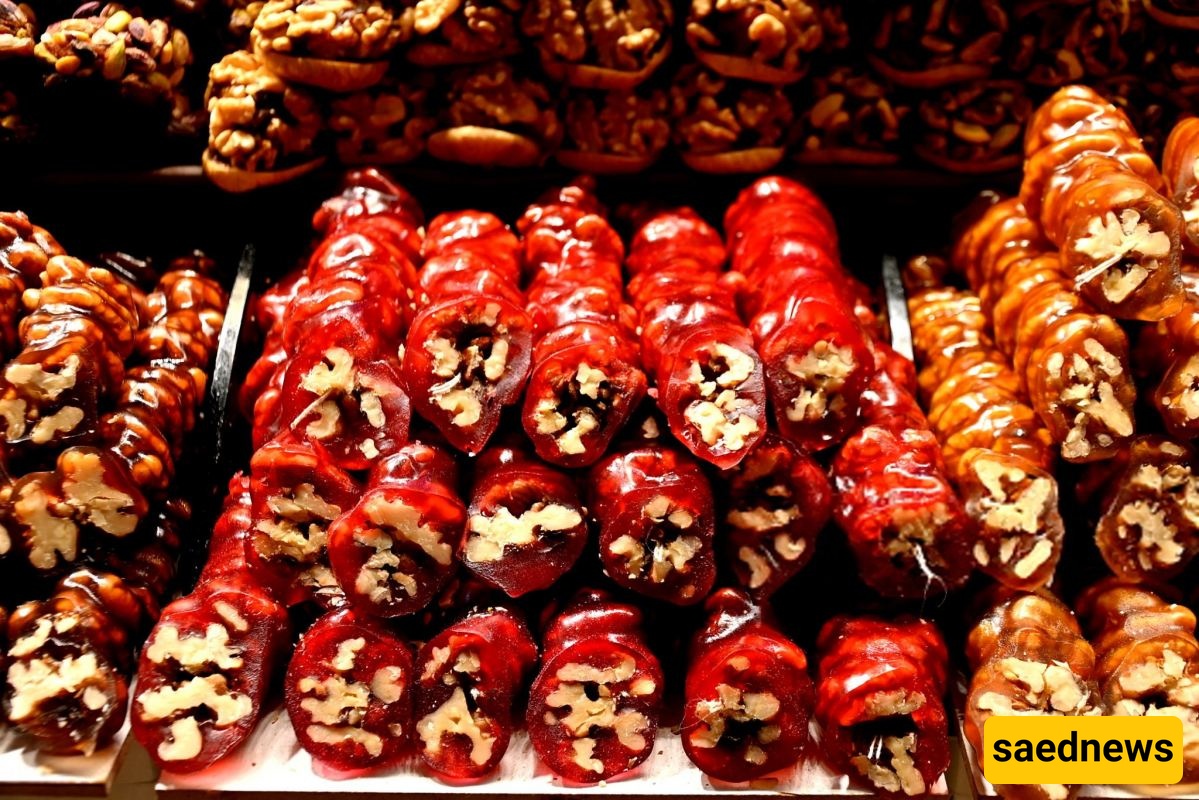
Fresh, large, light-colored walnuts without bitterness are ideal. Old walnuts or walnuts with a stale odor are not recommended.
Walnut Sojuk is a traditional Iranian sweet with a distinctive aroma, satisfying texture, and simple ingredients. The key to achieving good results is careful preparation of the coating, gentle cooking, and proper drying.
With the right proportions and a little patience, you can make high-quality Walnut Sojuk at home. Its long shelf life, easy serving style, and variety of possible flavors make it a particularly enjoyable treat during the colder months.